
Share this @internewscast.com
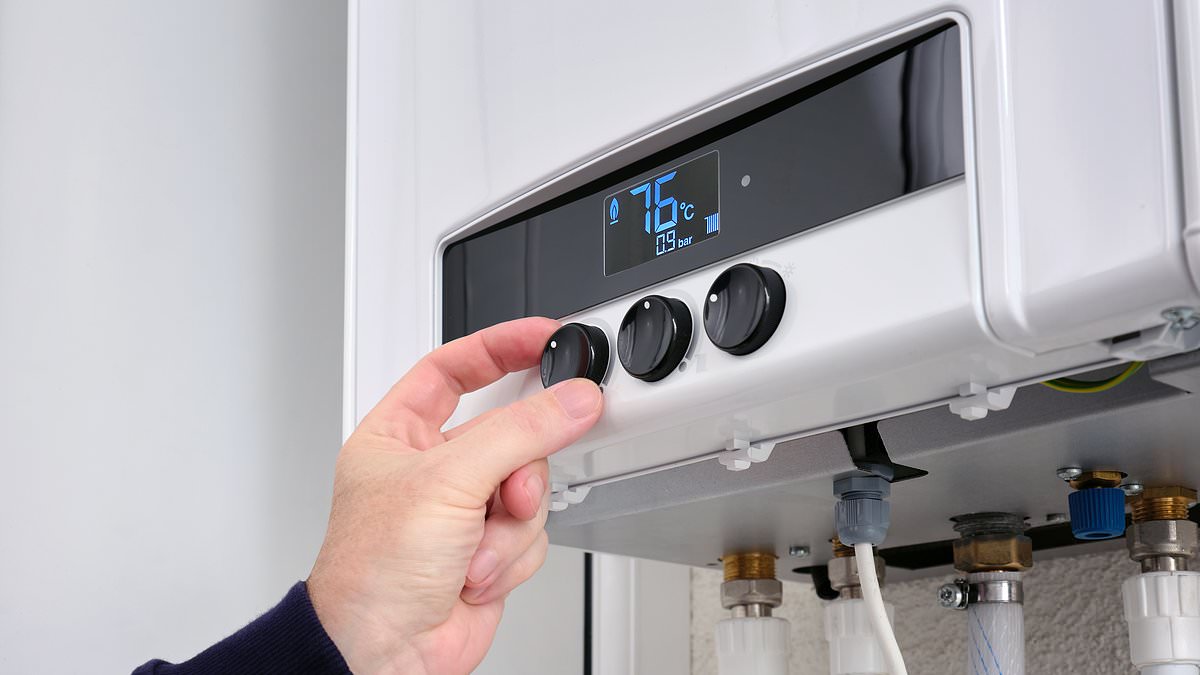
Household energy expenses are predicted to surge by £288 annually starting in July, as increasing wholesale prices are driven by the conflict initiated by Donald Trump with Iran.
Industry experts from Cornwall Insight have projected that the energy regulator Ofgem will set the price cap at £1,929 for a standard dual fuel household from July through September.
This figure marks an 18 percent rise, equivalent to £288, compared to the cap established in April by Ofgem.
According to Cornwall Insight, an uptick in energy bills this summer is ‘almost inevitable,’ and they caution that the financial impact on households could intensify further by October.
This situation is likely to increase the pressure on Rachel Reeves to devise a relief package for beleaguered UK residents facing mounting energy costs.
The Chancellor has stated that plans are in motion to offer targeted assistance to households, but there is criticism that the proposed measures may only benefit those receiving welfare support.
This would be in contrast to the universal support provided by the previous Tory government in 2022, when Russia’s invasion of Ukraine caused energy bills to soar.
The Conservatives are urging Ms Reeves to slash household energy costs by £200 immediately by taking VAT, taxes and levies off energy bills.


There is growing pressure on Rachel Reeves to provide an energy bills bailout package for hard-pressed Brits
In response to US and Israeli attacks, which began at the end of last month, Iran has effectively closed the critical Strait of Hormuz.
This has has caused shipments of oil and gas to grind to a halt and sent global energy prices soaring.
The latest forecast by Cornwall Insight is a slight fall from its forecast earlier this month, which had seen the energy price cap surging to £1,973 in July.
This was caused by a ‘partial steadying in wholesale markets after a pause in energy infrastructure strikes and signals of a potential ceasefire in the Middle East conflict’, it said.
The energy experts warned a rise in Ofgem’s price cap in July was ‘effectively unavoidable’ with rocketing wholesale prices over March now locked into the calculation and little chance that they will fall below pre-war levels in the coming weeks.
The price most households pay for energy under the cap fall by 7 per cent from April 1, or £117 a year to £1,641, driven by the Government’s promise to cut bills by an average of £150 by removing green subsidies.
But the prospect of a big jump in gas and electricity costs when the cap is next updated in July has prompted Ms Reeves to say she will look at further targeted support as part of contingency planning efforts.
Ofgem will confirm its next price cap level by May 27.

Craig Lowrey, principal consultant at Cornwall Insight, said: ‘A rise in July is pretty much unavoidable, but how high prices go remains to be seen.
‘There is some relief in the timing, summer is when energy demand is at its lowest, which should soften the impact on household energy expenditure.
‘If higher wholesale prices continue, it will be the effects on the October cap that have the most impact, and that is when the question of government support for households is likely to be revisited.’
Senior Tory MP Claire Coutinho, the shadow energy secretary, said: ‘It is unforgivable that Labour are continuing with Ed Miliband’s mad plan to shut down our own energy supplies in the middle of an energy crisis.
‘Shutting down the North Sea means we are losing out on £25billion in tax receipts that we could use to cut bills and reduce the cost of living.
‘The Government must adopt the Conservatives’ Cheap Power Plan to cut bills by £200 immediately by taking VAT, taxes and levies off energy bills without costing taxpayers a penny.
‘We would cut bills for everyone rather than taxing working people to fund yet another bailout for people on benefits.’
Martin McCluskey, Labour’s minister for energy consumers, said: ‘Tackling the affordability crisis is our number one priority and I know many families will be thinking about how events in the Middle East might impact the cost of living at home.
‘We will continue to fight people’s corner through this crisis and, as the Energy Secretary (Mr Miliband) has said, if it’s necessary to intervene, we will.’