
A Tube strike is anticipated to create six days of commuting disruption and potentially lead to a £230million economic loss for London in the upcoming week. This results from union members intensifying their demands for increased pay with reduced working hours.
The RMT is advocating for a 32-hour work week, which is three hours fewer than the current schedule, alongside a pay increase. Transport for London has dismissed this demand as ‘neither practical nor affordable’ since it is almost £13 billion in debt.
Tube union members, including signallers and maintenance workers, are gearing up for a walkout starting Sunday, which will likely result in ‘little or no service’ from Monday to Thursday, causing overall disruption for six days.
Transport for London has proposed a 3.4 percent pay increase, labeling it as ‘fair’, and claims it cannot comply with the RMT’s request to shorten the workweek.
Susan Hall, leader of the Conservative group at the London Assembly, blamed London Mayor Sir Sadiq Khan for the chaos.
‘Labour politicians assume that appeasing unions with financial concessions will maintain their support, but it demonstrates their lack of resolve,’ she stated to the Mail.
‘The result is that the unions hold London to ransom whenever they think they will and Londoners and London’s businesses suffer.
‘In my opinion, the current demands are entirely unacceptable. A capable leader would have established firm boundaries long ago, yet Sadiq Khan is far from being an effective or strong leader.’

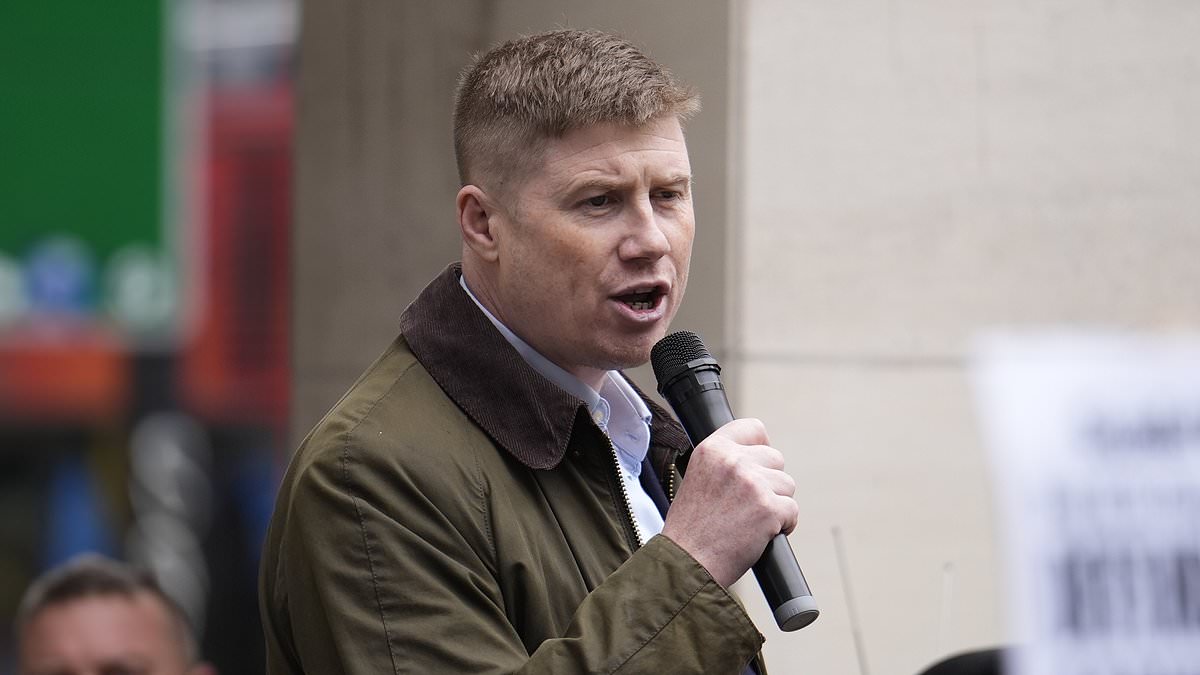
RMT General Secretary Eddie Dempsey said workers were not after the ‘King’s ransom’

The strikes are likely to cause chaos for commuters across the Underground in September
The RMT piled fresh pressure on TfL today by warning Tube cleaners could also be balloted over pay as part of a separate dispute.
The union has complained to private contractors ABM that cleaners do not receive sick pay and are only paid the London Living Wage.
Unless a ‘serious’ pay offer is made, the RMT said it will move to ballot its members for strike action.
RMT general secretary Eddie Dempsey said: ‘Our members are the people who keep London Underground clean and safe for millions of passengers every single day, but they are treated as second-class workers.
‘They are denied sick pay, scraping by on poverty pensions, and left to struggle month after month.
‘Unless this company comes back with an offer that properly rewards cleaners for their work, and provides basic dignity like sick pay, we will ballot for strike action across the contract.’
Docklands Light Railway services will also be hit next Tuesday and Thursday because of a strike by RMT members in a separate pay dispute.
The proposed RMT walkout among employees employed directly by TfL could involve around 10,000 union members taking action on different days.

The strike was announced by the RMT following a ballot last month. This saw just 57.6 per cent of members vote in favour

Susan Hall, leader of the Conservative group at the London Assembly, blamed London Mayor Sir Sadiq Khan for the chaos
The strike was announced by the RMT following a ballot last month. This saw just 57.6 per cent of members vote in favour, according to the Standard.
Nick Dent, TfL’s director of London Underground customer operations, emailed staff yesterday to urge them against taking industrial action.
‘We continue to believe our pay budget is best spent increasing colleagues’ pay,’ he wrote.
‘This is what colleagues want, preferred over other costly items in the TUs’ pay claims such as a reduction in contractual hours.
A reduction in contractual hours is unaffordable and impractical. Throughout talks we have been clear even a small reduction in contractual hours would cost the organisation tens of millions of pounds.
‘We also know people want to come and work for our organisation. That’s because our overall package – including pay, terms and conditions and benefits which include rest days, annual leave, contractual hours and working patterns – is better than similar organisations.
‘We’re serious about addressing fatigue. We take fatigue management extremely seriously and have put in place a range of measures to reduce it.
‘Today with the RMT we discussed other ways this can be achieved. However, RMT have maintained they will only accept measures that include a reduction in contractual hours, including for those that do not work shifts.
‘This cannot be delivered – the costs are huge, unsustainable and will not effectively address the issue of fatigue.’
The Centre for Economics and Business Research (CEBR) is predicting a massive economic hit from the strike as thousands of Londoners struggle to get into work.
‘Our analysis suggests that next week’s Tube and DLR strikes could impose a direct economic cost of around £230 million, reflecting the loss of roughly 700,000 working days across both TfL staff and the wider commuter base,’ a spokesman said.
‘These figures only capture the immediate disruption, but the true economic hit is likely to be significantly higher once the indirect effects are considered.
‘Experience from previous strikes shows that London businesses face reduced productivity as staff struggle to get into the office or arrive late, while shops, restaurants and leisure venues typically suffer from weaker footfall and lower consumer spending.
‘On top of that, congestion on London’s roads is expected to increase sharply as people switch from the Underground to cars, taxis and buses, further adding to delays and lost output.
‘Taken together, these knock-on effects suggest the strike will have a significant impact on London’s economy for the week and will be felt by sectors ranging from professional services to retail and hospitality.’