
In a move set to benefit millions, Australians will soon have the option to claim an immediate $1,000 tax deduction for work-related expenses without the hassle of maintaining a stack of receipts.
This significant change was unveiled by Treasurer Jim Chalmers in the lead-up to his fifth Federal Budget presentation scheduled for May 12.
Starting July 1, approximately 6.2 million Australians, accounting for 42 percent of taxpayers, are expected to gain from these reforms.
“Our goal is to help Australians earn more and retain more of their earnings. This initiative is a crucial part of how we are supporting millions of Australian workers,” Chalmers emphasized.
“We are committed to simplifying the tax system, making it easier, more straightforward, and faster to file your taxes,” he added.
Chalmers described the initiative as a dual benefit, offering tax reform as well as a measure of additional tax relief.
The actual benefit depends on your income tax rate.
For many workers, that means an average tax saving of about $205, with some set to save up to $470.

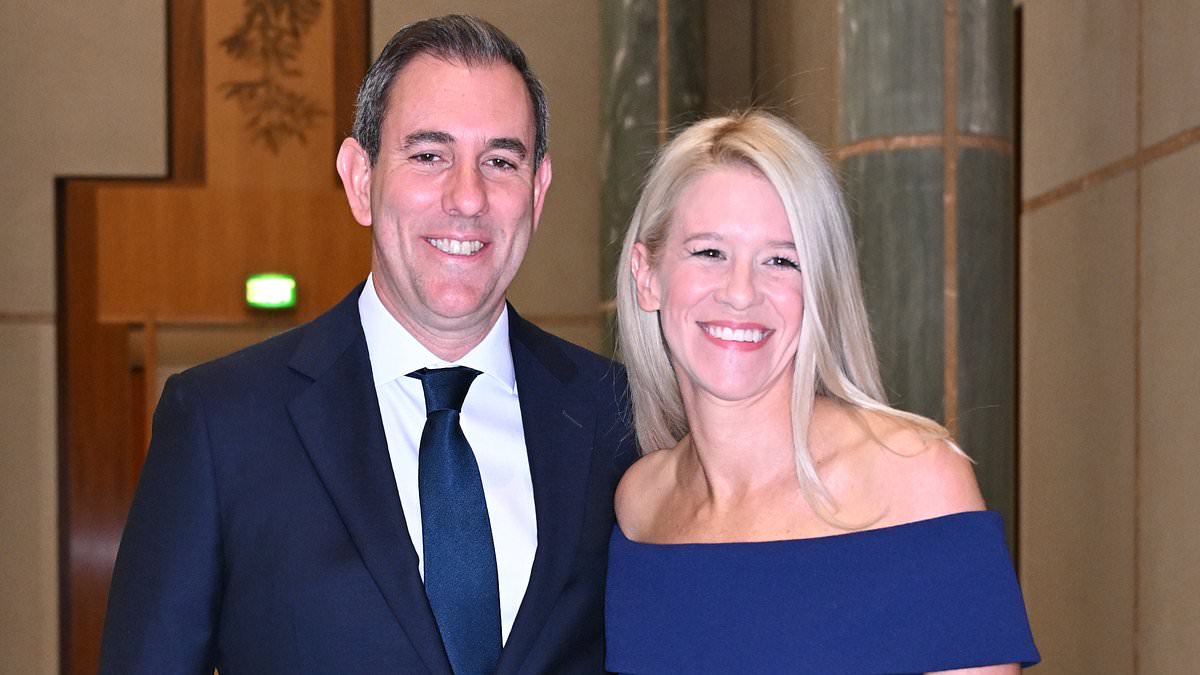
Federal Treasurer Jim Chalmers (pictured with wife Laura) has announced new tax reforms that will help 6.2million Aussies

Aussies will be able to make an instant $1000 tax deduction claim without the need for receipts
Because the measure starts from July 1, it applies to the 2026–27 financial year.
Claims over $1,000 will still require receipts.
Charitable donations and other non‑work‑related deductions can be claimed separately, in addition to the instant tax deduction.
Sales assistants, office workers, nurses, and childcare workers are among the occupations set to benefit the most from the tax changes.
Tax agents still urge Aussies to keep receipts for work expenses, regardless of the amount they want to claim.
‘If taxpayers stop tracking their expenses in the hope of an easy ‘instant’ deduction, they risk missing out on the full refund they are entitled to if their actual costs such as professional equipment, home office expenses, or self‑education surpass the flat $1000 limit,’ CPA Australia’s Jenny Wong warned.
‘While the government estimates the average relief at $205 per person, this is not a targeted reimbursement for the costs of earning an income; if left unchecked it could become a broad-based subsidy that does nothing to encourage taxpayers to take greater responsibility for their financial obligations.’
The move comes after Daily Mail revealed that Chalmers is plotting a Budget night tax sting on property investors with older homes and backing a plan to give bigger capital gains tax (CGT) breaks to taxpayers who bankroll new apartments and townhouses.

Sales assistants and office workers are among the occupations set to benefit the most from the tax claim changes. Pictured are workers in Sydney’s Martin Place
The government is expected to slash capital gains tax concessions on older properties, with Labor aiming to funnel investor money away from established housing and into projects that add to the supply of homes.
Senior government insiders told the Daily Mail last week the Treasurer wants the change locked into the May 12 budget and has already won Anthony Albanese’s support, with ministers and advisers now mulling over the final details of how hard Labor should go.
At the centre of the push is a 2025 McKell Institute report by UNSW Professor Richard Holden and the institute’s CEO Edward Cavanough, the Mail can reveal.
The document is being used inside government as the template for a capital gains tax shake-up.
Under the model being worked through in Canberra, investors buying into newly built apartments and townhouses would get a larger tax break when they sell, while those piling into older housing would get a smaller tax concession.
The formula being examined would lift the current 50 per cent capital gains tax discount to 70 per cent for new attached dwellings such as apartments and townhouses.
It would slash it to 35 per cent for existing dwellings, and leave it unchanged at 50 per cent for new houses.
Negative gearing would remain untouched, according to the McKell paper. If adopted, that would allow Labor to argue that existing investors are protected, even as the rules are changed for future purchases, minimising the political fallout from the change.


