According to a research, if the pulse oximeter devices are not ‘calibrated’ for dark skin tones, then the skin’s pigmentation could influence the readings, in that it could affect how the light beams sent by the device is absorbed by its sensors.
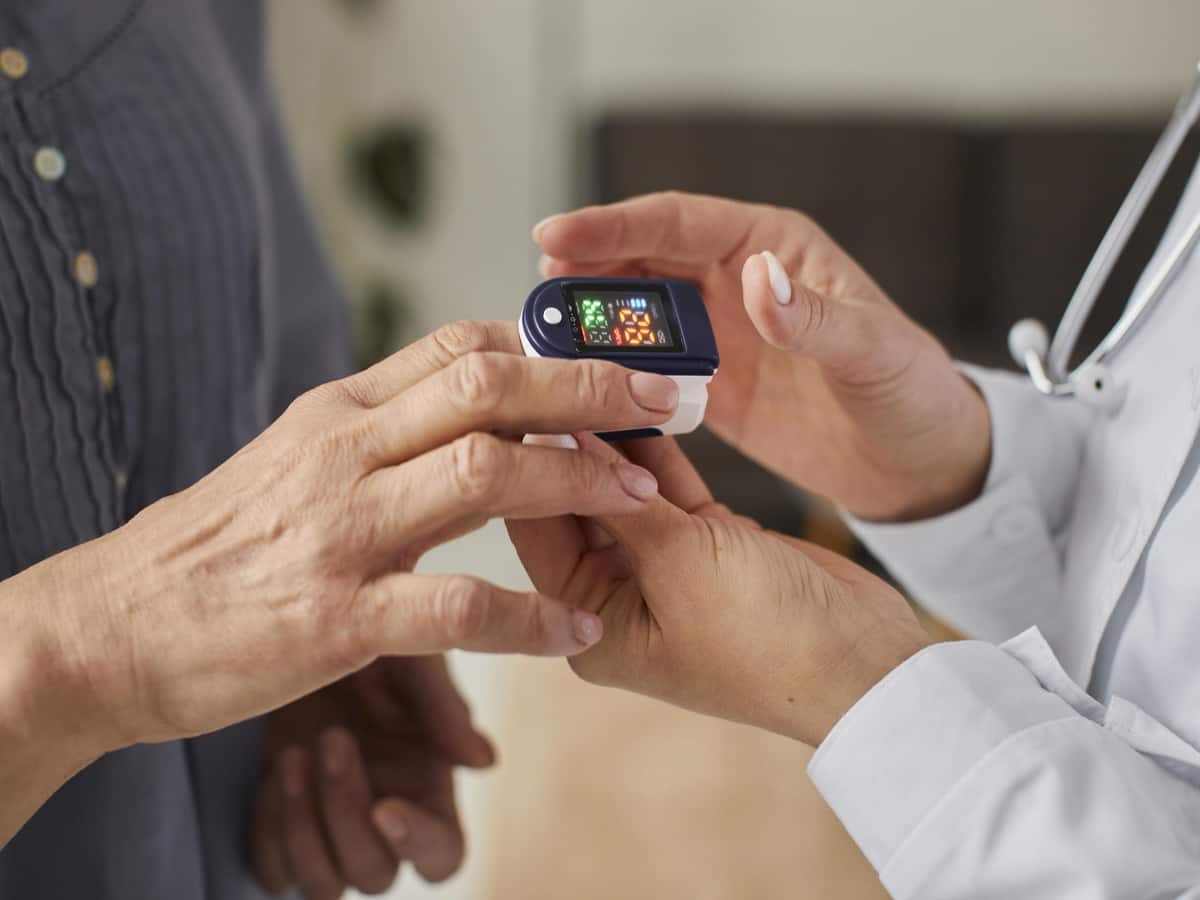
A pulse oximeter is a device that observes a ‘rapid measurement of oxygen saturation level’ in the body, without using needles or taking a blood sample. The American Lung Association states that the measured amount is shown on the screen, and it reflects the saturation of your red blood cells with oxygen, thereby giving doctors an idea of what your treatment will be. The device became popular during the Covid-19 pandemic, especially in the second wave that brought death and destruction around the world, especially in India. A pulse oximeter is generally recommended by a doctor when there is a symptom of shortness of breath, or a known lung or heart condition. But, is the reading accurate? Can there be a discrepancy based on a person’s skin colour?
New Report
According to a data published earlier this week in the journal ‘Epic Research‘, people with darker skin tones, particularly Black people in the hospital are 31.9 per cent more likely than White patients to have pulse oximeter readings overestimating their oxygen levels by at least 4 percentage points.
According to a CNN report, researchers from Epic (which is a healthcare software company), the University of Maryland Medical System and the Federation of American Scientists stated in a new report that providers often order ‘supplemental oxygen or other treatment when oxygen saturation drops below 88 per cent’. But, the pulse oximeter may sometimes inaccurately show a patient’s blood oxygen level reading to be much higher than 88 per cent, and that can lead to a ‘delay in potentially life-saving treatment, which could result in significant risk to the patient’.
Skin Colour
Per the research if the pulse oximeter devices are not ‘calibrated’ for dark skin tones, then the skin’s pigmentation could influence the readings, in that it could affect how the light beams sent by the device is absorbed by its sensors, leading to inaccurate oxygen readings. During the course of the aforementioned research, researchers used data of more than 13,000 patients from multiple hospitals in the US between January 2016 and November 2023. Their data included a ‘pulse oximeter reading’ and a ‘blood gas oxygen saturation result’. It was found that 24.7 per cent of Black patients had pulse oximeter readings that were ‘at least 5 percentage points higher than the oxygen levels in their blood gas results’.
One of the authors of the new report, Dr Roderick King — who is a senior vice president and chief diversity, equity and inclusion officer at the University of Maryland Medical System — was quoted by CNN as saying: “We’ve noticed even before Covid that the pulse ox inaccuracy was there for darker-skinned patients. But, what was the most dramatical or most impactful part of this article was that we could quantify using a large dataset of how much it was inaccurate. It drives home the importance of understanding how we look at equity and patient care, or health equity.”