
Share this @internewscast.com
An ecologist’s claim of disability discrimination, following her exclusion from a workplace Christmas party, has been dismissed by a tribunal.
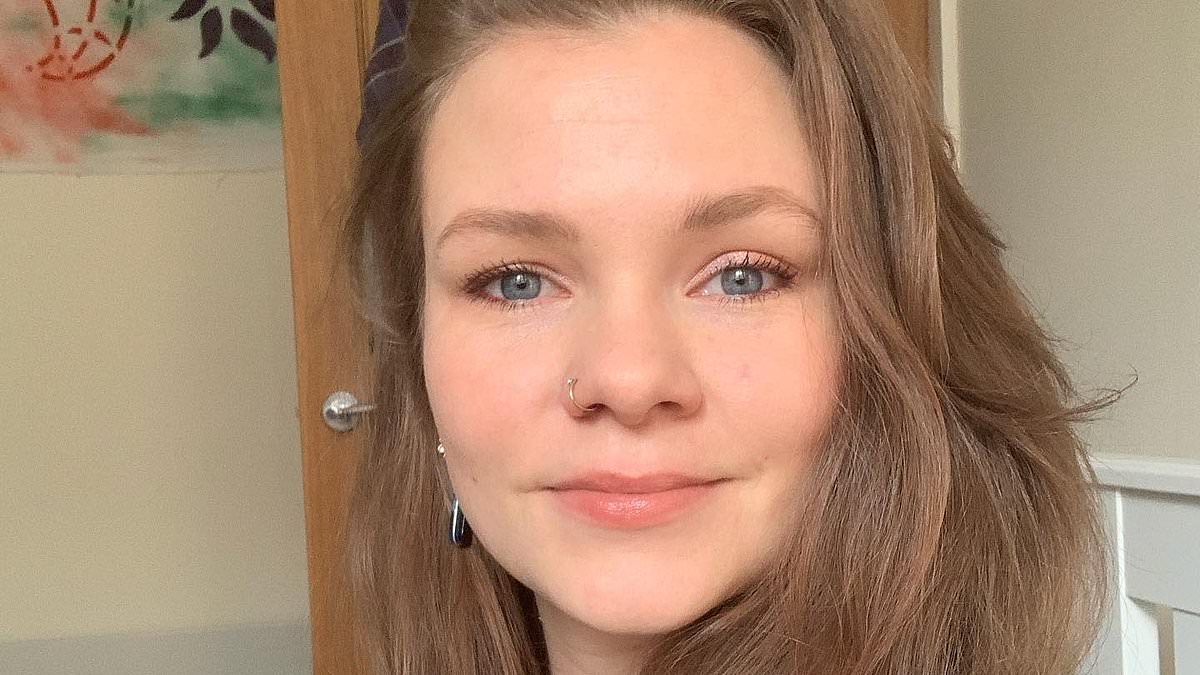
Shelby Caughman, who works as an ecologist, brought a case against her employer, Echoes Ecology, after she was purposely left out of a small holiday gathering. At the time, she was on leave due to anxiety-related health issues.
The 35-year-old, who suffers from agoraphobia—a condition that involves fear of open or crowded spaces—argued that not being invited to the party, which included eight colleagues, constituted discrimination based on her disability.
Her coworkers, however, chose not to invite her, believing that the event might exacerbate her anxiety, particularly since Caughman had expressed feeling too “overwhelmed” to return to work.
An employment judge concluded that while the decision was linked to her disability, it was justified given the circumstances and did not violate any discrimination laws.
The tribunal was informed that Ms. Caughman joined Echoes Ecology as a consultant ecologist in April 2023, working alongside seven other employees.
She suffered from ADHD, autism, complex post-traumatic stress disorder and agoraphobia, and had made the company aware of her conditions.

Ecologist Shelby Caughman sued Echoes Ecology after she was deliberately not invited to a small festive gathering while off sick with anxiety-related issues

The 35-year-old, who suffers from agoraphobia – a condition involving fear of leaving home or being in crowded places – tried to claim that being excluded from the eight-person work party amounted to disability discrimination
Ms Caughman made several grievance complaints to the company from a ‘build up of work stress’ and a ‘lack of reasonable adjustments’.
In June 2024, she took a week off as Statutory Sick Pay after she had issues with her mental health and agreed she would have a phased return to work following this.
From the beginning of July 2024 Ms Caughman went on sick leave and did not return to work until she resigned in February 2025.
During this time, Echoes Ecology got in touch with her to see if she was well enough to return to work.
An occupational health report was made by an occupational therapist, which claimed that Ms Caughman needed adjustments to be made to allow her return because of her disabilities, like flexible working hours and being able to work from home.
The report also stated that she wanted to be exempt from team meetings and social gatherings so that she could miss them.
After the report was produced, Ms Caughman clarified in a meeting that she did not agree with the wording around exemption from meeting and social gatherings because she enjoyed social gatherings and ‘just wanted a choice’.
Although she was supposed to return to work in December, she said it was making her feel ‘overwhelmed’ and discussed moving the return date into the New Year.
The company held the Christmas party in December, and they decided not to invite Ms Caughman to this to ‘avoid creating further anxiety for her’.
They said this decision was based on the report provided to them about her agoraphobia and also that she was too ‘overwhelmed’ to return to work.
Ms Caughman sent an email saying that she had noticed she was not invited to the Christmas party, and she was told they thought it would be ‘insensitive’ and cause her stress if they did, but apologised if they had misinterpreted the situation.
The tribunal ruled that not inviting Ms Caughman to the Christmas party was discrimination, but it was a ‘justified’ reaction to her comments about her mental health at the time.

Ms Caughman made several grievance complaints to the company from a ‘build up of work stress’ and a ‘lack of reasonable adjustments’

It was heard that Ms Caughman started working for Echoes Ecology as a consultant ecologist in April 2023, alongside seven colleagues. Pictured the Echoes Ecology offices in Scotland
Join the debate
Do YOU think the employer acted reasonably here?
Employment Judge Peter O’Donnell said: ‘The Tribunal considers that this was because of “something” arising from her disability, that is, the fact that she was absent from work and [Echoes Ecology’s] view that it would be insensitive to invite her in circumstances where they understood (mistakenly) that she would be unfit to attend and that, based on the OH report, she was seeking to be exempt from team meetings and social gatherings.
‘There was, therefore, discrimination arising from disability in respect of the exclusion from the Christmas night out.
‘However, the Tribunal considers that this was objectively justified.
‘[Echoes Ecology] clearly had the legitimate aim of seeking to avoid causing [Ms Caughman] additional distress of inviting her to an event where it appeared that she did not wish to attend and would not be fit to do so.
‘The Tribunal accepts that it was not [Ms Caughman’s] position that she did not wish to attend the Christmas night but the Tribunal also accepts that it was Echoes Ecology’s genuine belief that she did not, even if this was mistaken.
‘There was a factual basis for [Echoes Ecology’s] belief in the content of the OH report and there was nothing to contradict this.’
Ms Caughman also unsuccessfully claimed for harassment, victimisation, reasonable adjustment and constructive dismissal.
She is also a board director at Lee Lee’s Life Lessons, a business run by her mother. And has a Master’s degree in Ecology from the University of Bremen in Germany.
On the website her strengths are described as ‘creative problem-solving, digital strategy, and intuitive support, helping shape both the structural foundations and soulful direction of the organisation’.