
Share this @internewscast.com
The A-10 Warthog has been assigned a new maritime mission, focusing on boat targets in the ongoing conflict with Iran. This development could potentially prolong the aircraft’s service, despite the U.S. Air Force’s long-standing efforts to retire it.
For years, the Air Force has aimed to phase out the A-10, but Congress has consistently resisted, blocking any reduction in the fleet of these aircraft.
The A-10s have now been deployed in the U.S. military’s operations against Iran. The Pentagon values the aircraft for its ability to linger in an area and deliver precise strikes against small maritime targets and coastal threats.
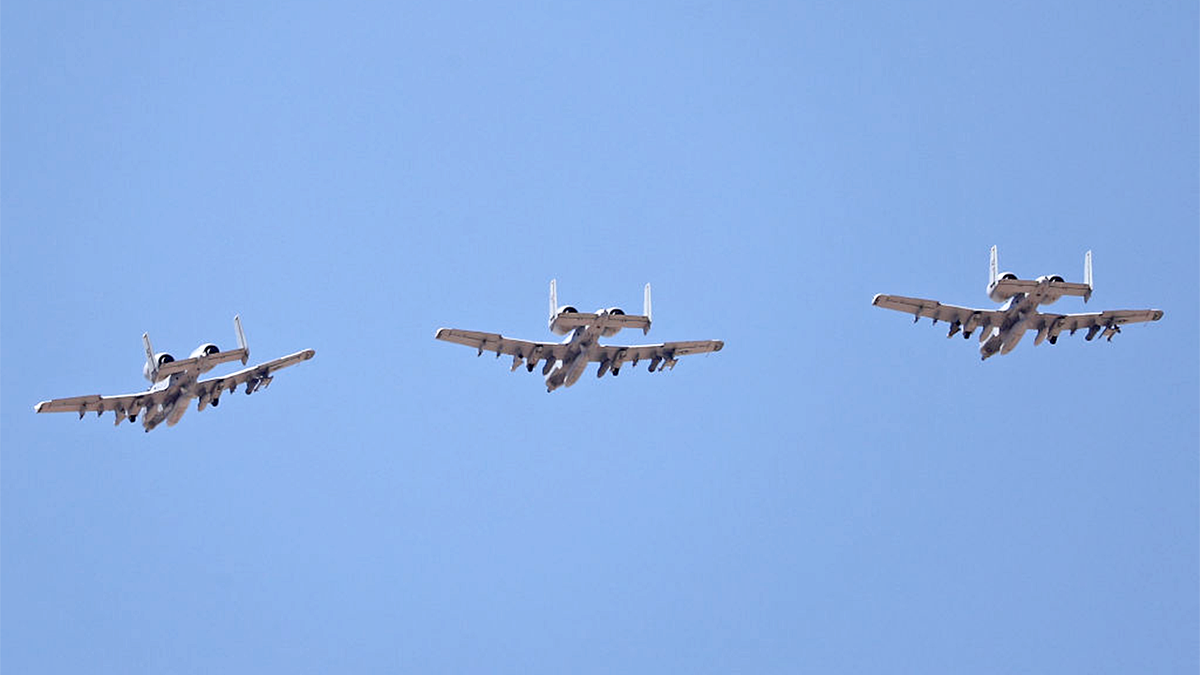
The A-10 Warthog is now engaged in targeting boats as part of the conflict with Iran. (Joan Valls/Urbanandsport/Nurphoto)
In a Pentagon briefing last month, General Dan Caine, Chairman of the Joint Chiefs of Staff, confirmed that A-10 aircraft were actively involved, operating along the southern edge of the conflict and targeting Iranian vessels in the Strait of Hormuz.
“We continue to target and destroy mine storage facilities and naval ammunition depots. Our operations have resulted in the destruction of over 120 vessels and 44 mine layers, and we intend to keep up the pressure,” stated Caine during the briefing on March 19.
“The A-10 Warthog is now in the fight across the southern flank and is hunting and killing fast attack watercraft in the Straits of Hormuz. In addition, AH-64 Apaches have joined the fight on the southern flank, and they continue to work on the southern side. And that includes some of our allies who are using Apaches to handle one-way attack drones,” he continued.
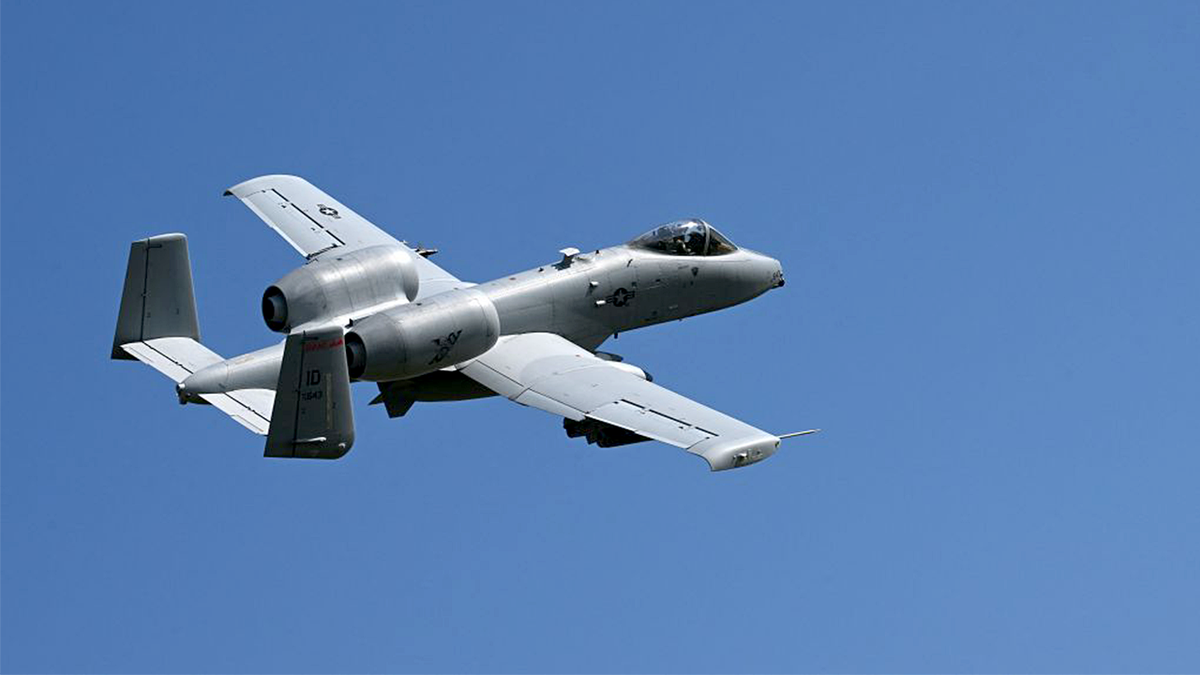
Despite the Air Force trying to phase out the A-10, Congress has resisted its efforts and blocked attempts to reduce the number of these aircraft. (CHRISTOF STACHE/AFP via Getty Images)
This comes as President Donald Trump has escalated threats against Iran, including its civilian infrastructure, over its blockade of the Strait of Hormuz, which has disrupted global energy shipments. However, the U.S. and Iran agreed to a temporary ceasefire on Tuesday, hours before Trump’s deadline to strike power plants and bridges unless Tehran reopened the Strait of Hormuz.
As of 2026, the Air Force has around 280 A-10 aircraft in service, and Congress required that the fleet not fall below 103 aircraft in Fiscal Year 2026 as part of the National Defense Authorization Act.

President Donald Trump has escalated threats against Iran, including its civilian infrastructure, over its blockade of the Strait of Hormuz. (SAUL LOEB/AFP via Getty Images)
While the A-10 is slower and less stealthy than newer aircraft, making it vulnerable in heavily contested airspace against modern integrated air defense systems, it has a long loiter time over target areas and the ability to visually identify and engage targets.
Originally designed as a Cold War-era tank killer, the A-10 is now being used in a markedly different role — targeting small, fast-moving boats and coastal threats amid the conflict with Iran. The use of the aircraft is intensifying debate over the Air Force’s decade-long effort to retire the jet, as it continues to be utilized in new missions.
<!–>
–>