
Share this @internewscast.com
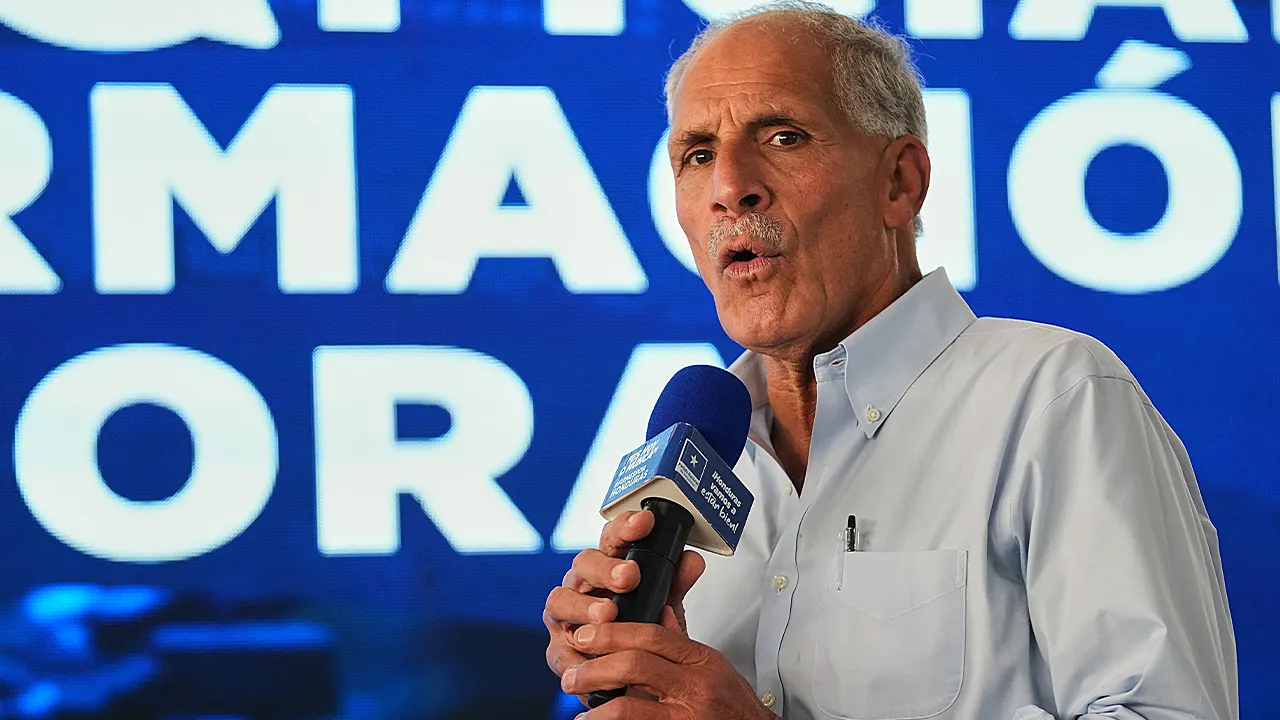
Nasry Asfura has emerged victorious in the 2025 presidential election in Honduras, marking a significant win for the National Party of Honduras (PNH), a right-leaning political faction. This outcome signifies a shift in the political landscape of Central America.
The election results were tightly contested, with Asfura securing 40.3% of the vote, narrowly edging out Liberal Party candidate Salvador Nasralla, who garnered 39.5%. The voting process was marred by technical difficulties and allegations of electoral fraud, leading to a prolonged delay in the final count. Rixi Moncada, representing the ruling LIBRE party, trailed behind in third place.
Due to the close race and disorganized ballot processing, approximately 15% of the tally sheets, representing hundreds of thousands of votes, required manual counting to ascertain the winner. This added layer of scrutiny underscored the chaotic nature of the electoral proceedings.
Despite the contentious atmosphere and a razor-thin margin, two electoral council members and a deputy validated the election results. However, Marlon Ocha, another council member, did not appear in the video that announced Asfura as the winner, highlighting the discord surrounding the election outcome.
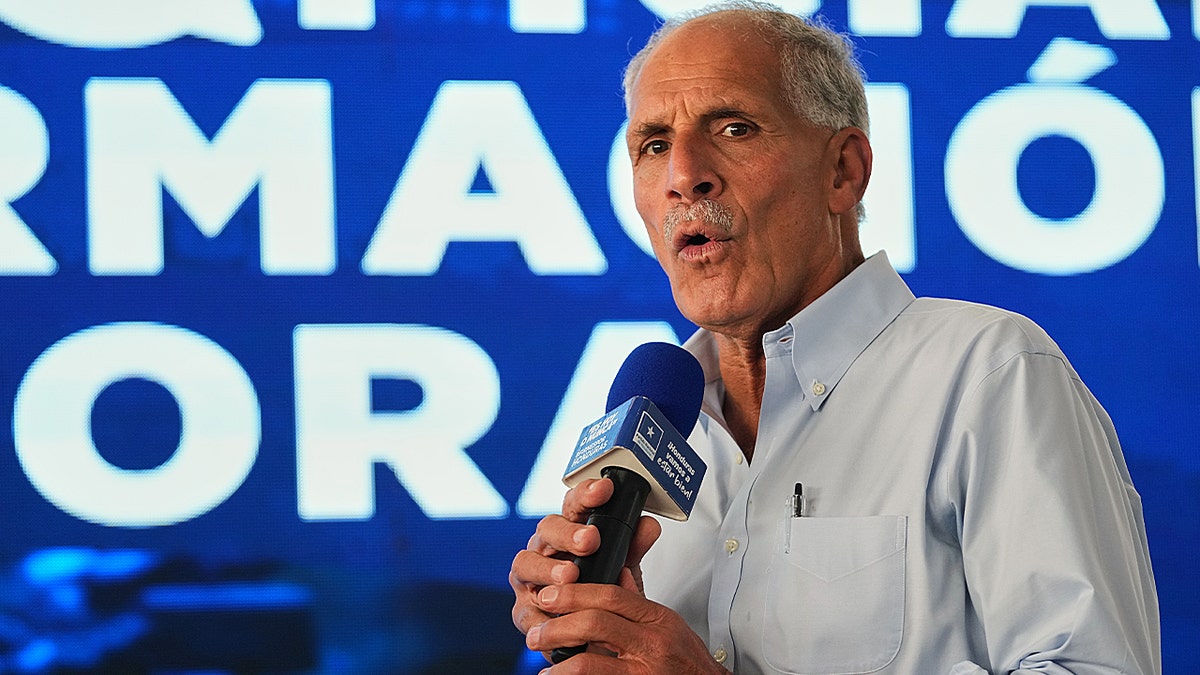
In the wake of President Trump’s repeated endorsements, Tito Asfura successfully defeated his opponents, Salvador Nasralla and Rixi Moncada. Following the confirmation of his victory, Asfura took to X, pledging to the nation, “Honduras: I am ready to govern. I will not let you down.”
“Honduras: I am ready to govern. I will not let you down,” Asfura said on X after the results were confirmed.
The head of the Honduran Congress, though, rejected the results and described them as an “electoral coup.”
“This is completely outside the law,” Congress President Luis Redondo of the LIBRE party said on X. “It has no value.”
Secretary of State Marco Rubio congratulated Asfura on X, saying the U.S. “looks forward to working with his administration to advance prosperity and security in our hemisphere.”
Initially, preliminary results on Monday showed Asfura, 67, had won 41 percent of the ballot, inching him ahead of Nasralla, 72, who had around 39 percent.
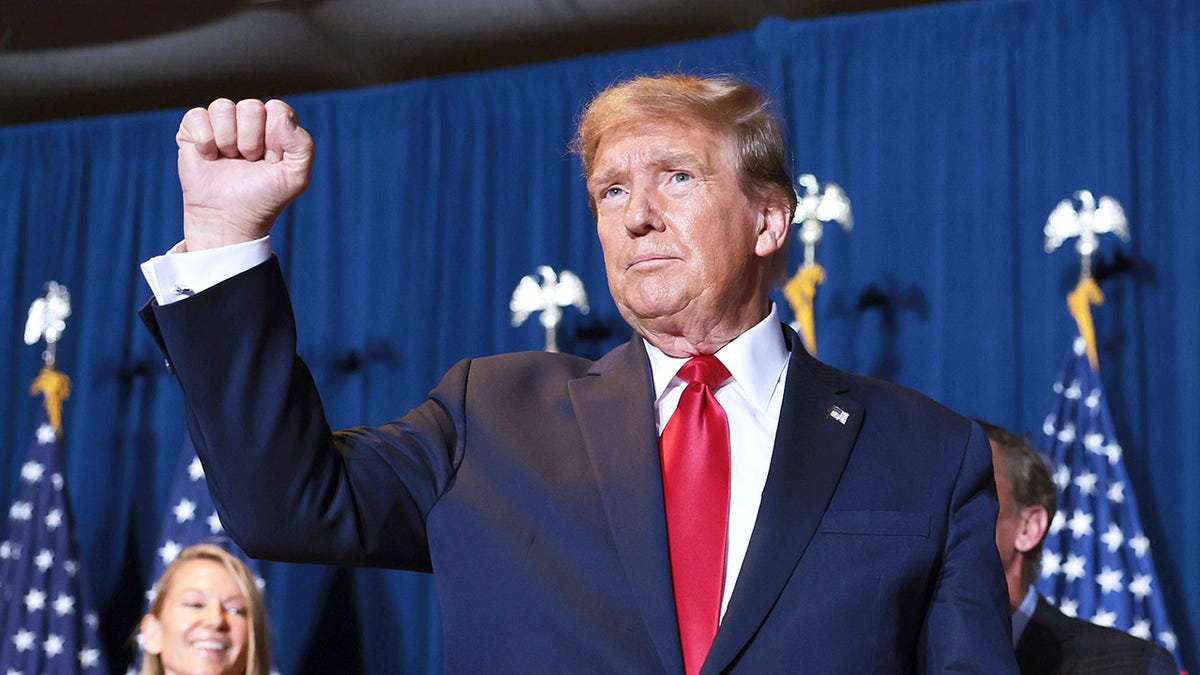
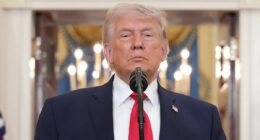
President Donald Trump gestures to supporters during an election night watch party at the State Fairgrounds on February 24, 2024. (Win McNamee/Getty Images)
On Tuesday, the website set up to share vote tallies with the public experienced technical problems and crashed, according to the Associated Press.
With the candidates only having 515 votes between them, a virtual tie and site crash saw President Trump share a post on Truth Social.
“Looks like Honduras is trying to change the results of their Presidential Election,” he wrote. “If they do, there will be hell to pay!”
By Thursday, Asfura had 40.05%, about 8,000 votes ahead Nasralla, who had 39.75%, according to Reuters, with the latter then calling for an investigation.
“I publicly denounce that today, at 3:24 a.m., the screen went dark and an algorithm, similar to the one used in 2013, changed the data,” Nasralla wrote on social media and said that 1,081,000 votes for his party were transferred to Asfura, while 1,073,000 votes for Asfura’s National Party were attributed to him.
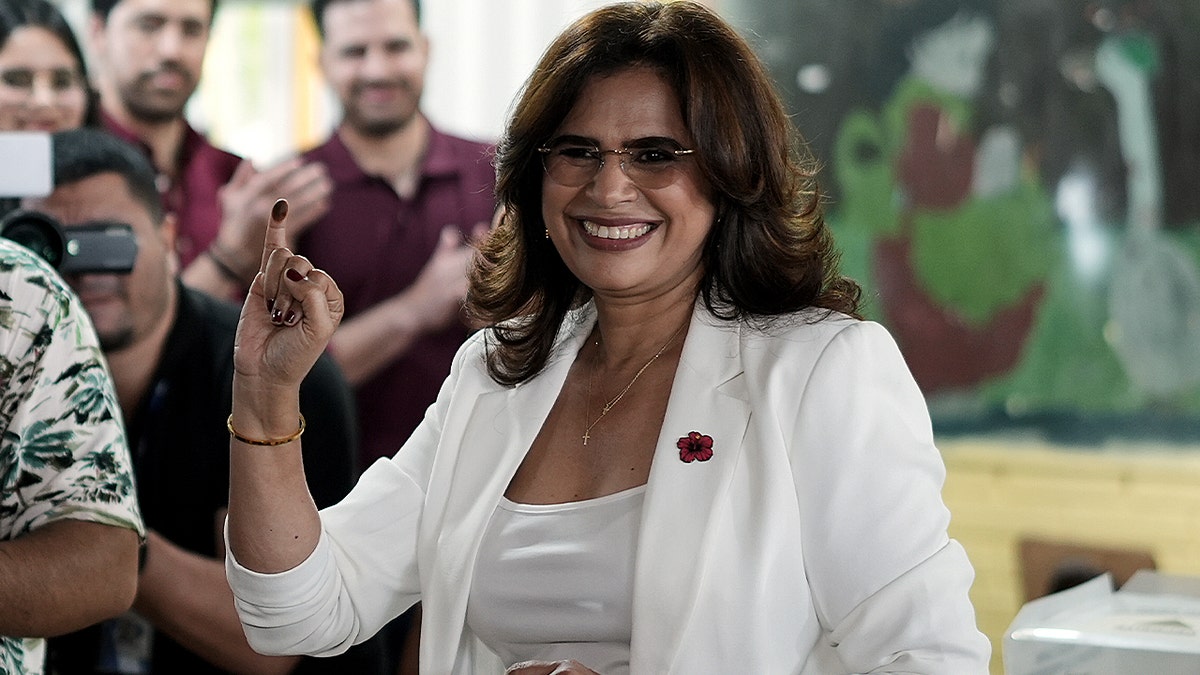
Rixi Moncada, LIBRE’s candidate, is a prominent lawyer, financier, and former Minister of National Defense, (ASSOCIATED PRESS)
Asfura, nicknamed “Tito,” is a former mayor of Tegucigalpa and had entered the race with a reputation for leadership and focus on infrastructure, public order, and efficiency.
His win ended a polarized campaign season, with one of the defining moments of the contest being Asfura’s endorsement by Trump.
“If he [Asfura] doesn’t win, the United States will not be throwing good money after bad,” Trump wrote on his Truth Social platform Nov.28.
Before the start of voting Nov. 29, Trump also said he would pardon former President Juan Orlando Hernandez, who once led the same party as Asfura. Herandez is serving a 45-year sentence for helping drug traffickers.
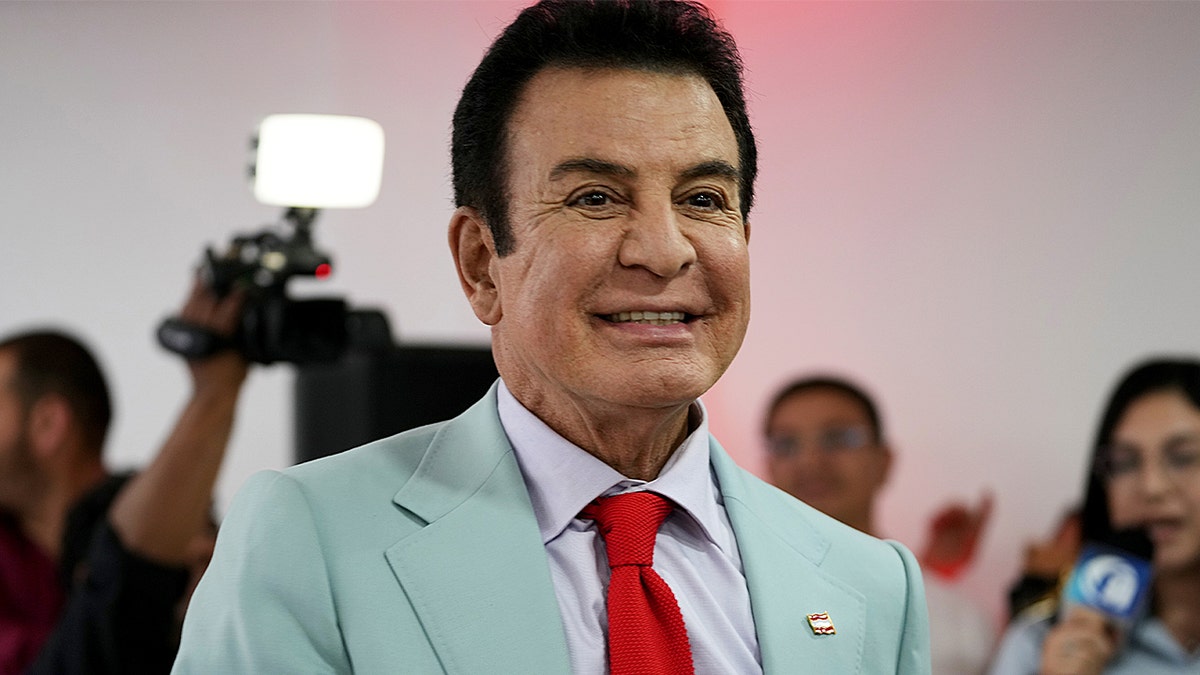
Nasralla is a high-profile television personality turned politician. (ASSOCIATED PRESS)
In the end, the election saw the defeat of centrist former Vice President of Honduras, Nasralla, and left-wing Ramona, 60, who served under President Xiomara Castro.
As a prominent lawyer, financier and former minister of National Defense, she focused on institutional reform and social equity.
Nasralla, a high-profile television personality turned politician, mobilized a base but fell short of converting his popularity into a winning coalition.
He was focusing on cleaning up Honduran corruption. The Honduran presidential race was also impacted by accusations of fraud.
As well as electing a new president, Hondurans voted for a new Congress and hundreds of local positions.