
Share this @internewscast.com
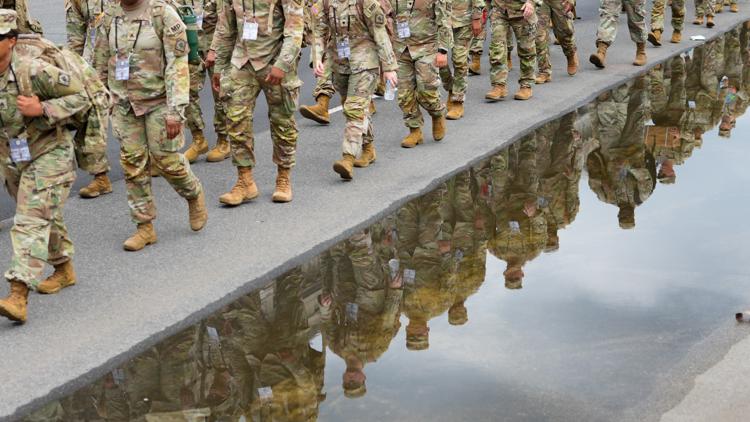
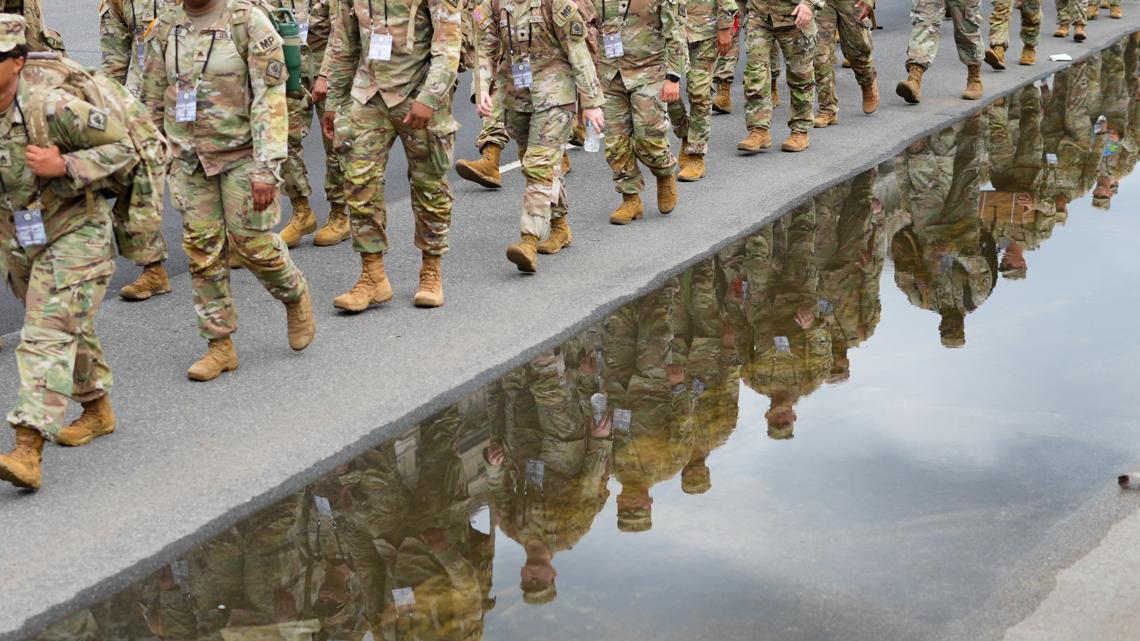
In a bid to enhance its recruitment strategy, the U.S. Army is implementing notable changes to its enlistment policies. Among these adjustments is an increase in the age limit for new recruits, as well as alterations to its policy concerning cannabis convictions.
According to a U.S. Army memo from March 20, 2026, the enlistment age cap will be raised from 35 to 42 years old. This change brings the Army in line with age limits already established by the Air Force and Space Force, broadening the window for potential recruits who wish to serve.
While the minimum age for enlisting in active duty remains at 17 with parental consent, or 18 without, the maximum age varies across the different military branches. This recent update by the Army aligns with the Navy and Coast Guard, which cap enlistment at 41, while the Marine Corps maintains a stricter limit of 28 years.
In addition to age-related changes, the Army is also revising its approach to candidates with cannabis convictions, reflecting a shift in societal attitudes and legal landscapes regarding marijuana use. This policy adjustment aims to widen the pool of eligible recruits and acknowledges the evolving context around cannabis legislation.
These modifications in the Army’s enlistment regulations signal a strategic move to attract a broader range of candidates while acknowledging contemporary societal trends. Exceptions to these age limits may still be made on a case-by-case basis, allowing for flexibility in recruitment.
Exceptions to the upper age limits are made on a case-by-case basis.
The military temporarily increased its maximum enlistment age to 42 in 2006 but dropped it back down to 35 in 2016, according to an article in Stars and Stripes, which said the move was made because the Army “struggled to fill its ranks amid major combat operations in Iraq and Afghanistan.”
The article also claimed that recent age limit increases for the Air Force and Space Force in 2023 were attributed to a “yearslong slump” in enlistment numbers.
The Army is also changing its policy to allow recruits with a single conviction of cannabis possession or possession of drug paraphernalia to enlist without a waiver.
To read the full list of changes to the U.S. Army and Reserve enlistment program, click here.