
Share this @internewscast.com
In response to the tragic shooting incident on December 13 at Brown University, which resulted in the death of two students and injuries to nine others, school officials have unveiled a series of enhanced security measures. Among these steps is the installation of surveillance cameras within the Barus and Holley engineering and physics building, the site of the attack.
Interim Vice President of the Department of Public Safety at Brown University, Hugh T. Clements Jr., communicated the university’s immediate plans in a letter addressed to the community. These measures include bolstering the presence of public safety personnel throughout the campus and maintaining the current system requiring card access, keys, or ID checks for building entry.
Looking ahead to the Spring 2026 semester, Clements outlined plans to transition all buildings from key to card access systems. Additionally, the university aims to extend the network of blue-light emergency phones equipped with cameras and install security cameras at strategic points, including in the Barus and Holley buildings. The expansion of panic buttons in vital areas is also on the agenda.
Furthermore, the university will introduce trauma-informed safety training and active-shooter preparedness sessions available to students and staff in the upcoming spring term.
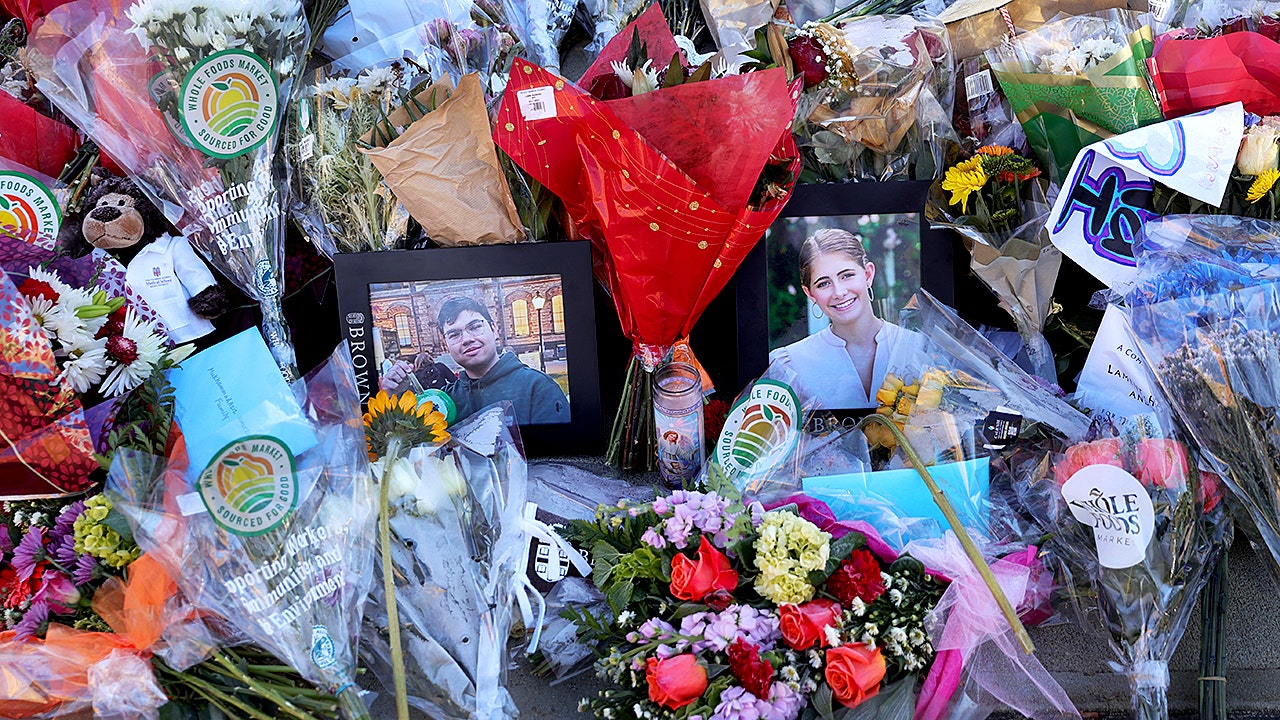
A temporary memorial has been set up on the Brown University campus near the location of the shooting in Providence, Rhode Island. (AP Photo/Robert F. Bukaty)
Clements, who has a background as the former chief of the Providence Police Department, assumed the interim role at Brown following the suspension of former chief Rodney Chatman. Chatman was placed on leave amid allegations reported by The Boston Globe that a university custodian, Derek Lisi, had witnessed the shooter at the Barus and Holley building weeks prior to the incident and had informed a security guard.
Authorities say 48-year-old Claudio Manuel Neves Valente, a former Brown student, opened fire inside the elite university’s engineering and physics building, killing students Ella Cook and Mukhammad Aziz Umurzokov, before traveling to Boston to kill MIT professor Nuno Loureiro. Days later, authorities found Neves-Valente dead by suicide in a storage unit in Salem, New Hampshire.
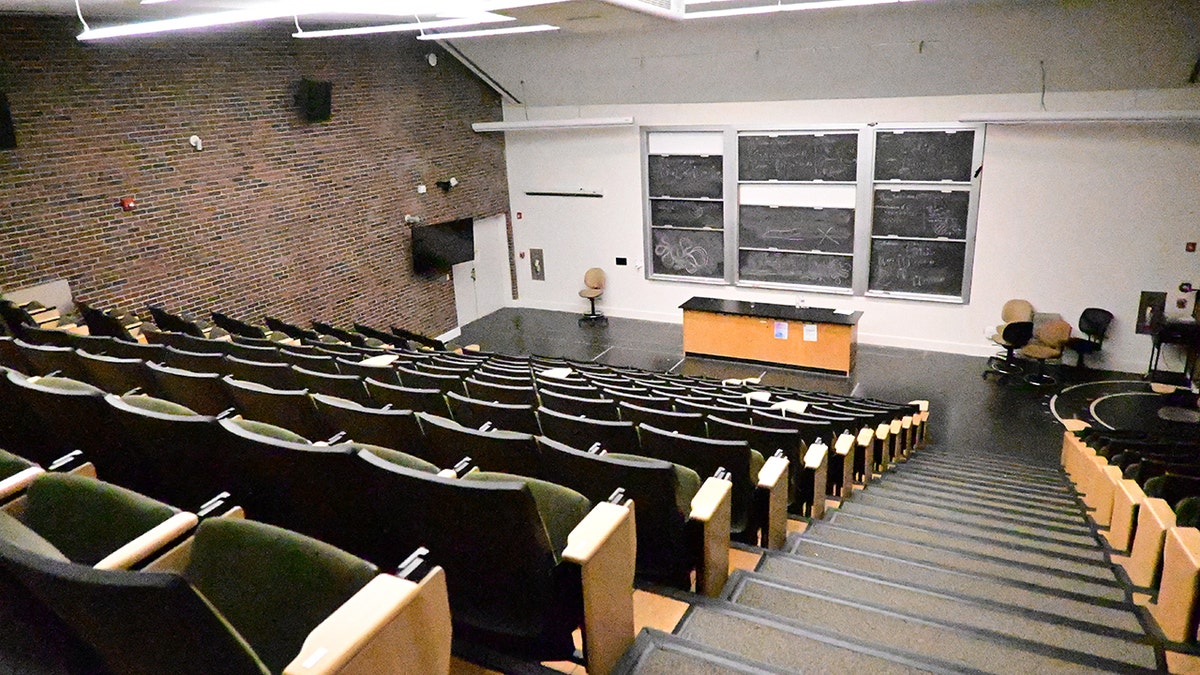
Interior view of Barus and Holley Room 166 on the campus of Brown University in Providence, R.I. (Kenna Lee/The Brown Daily Herald)
The Department of Education opened an investigation into Brown University for potential violations of the Jeanne Clery Campus Safety Act (Clery Act), which requires colleges to meet campus safety and security requirements to receive federal student aid.
The department will also conduct an external after-action review of the incident and emergency response, and a comprehensive, externally-led campus safety and security assessment incorporating community input, according to Clements.
“The Brown community has experienced an unspeakable tragedy,” Clements wrote in the letter. “I want to say clearly and unequivocally: What happened on Dec. 13 should never happen again—at Brown or anywhere—and we must confront that imperative for our community with steadfast purpose.”
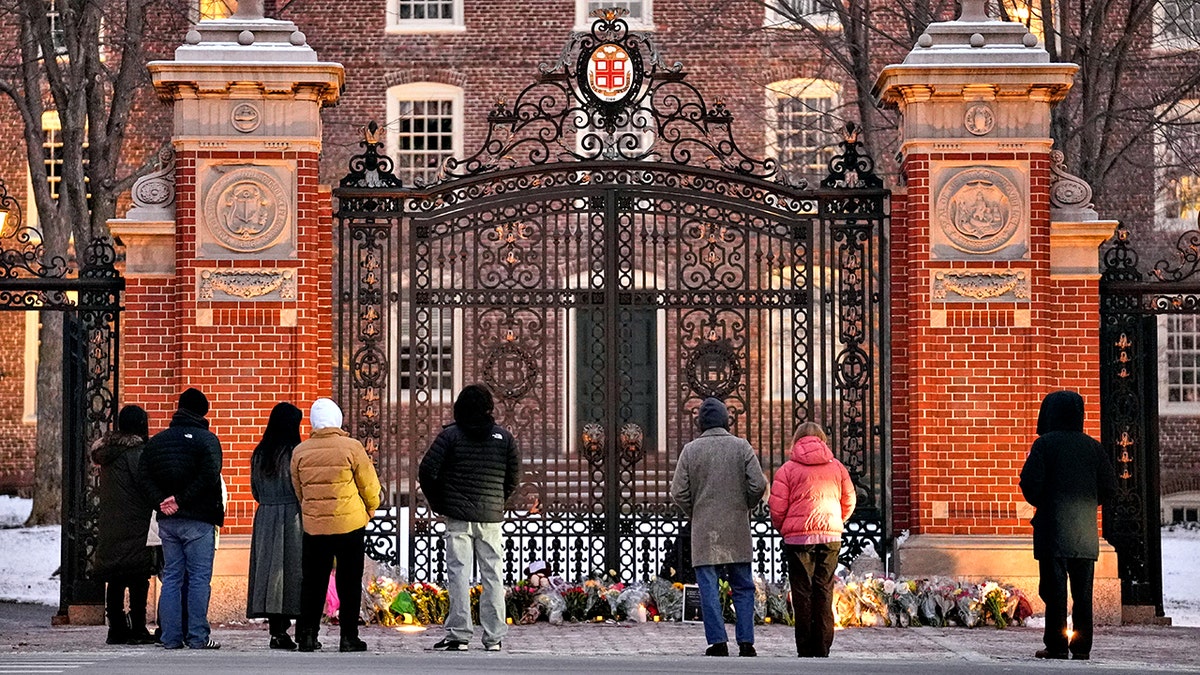
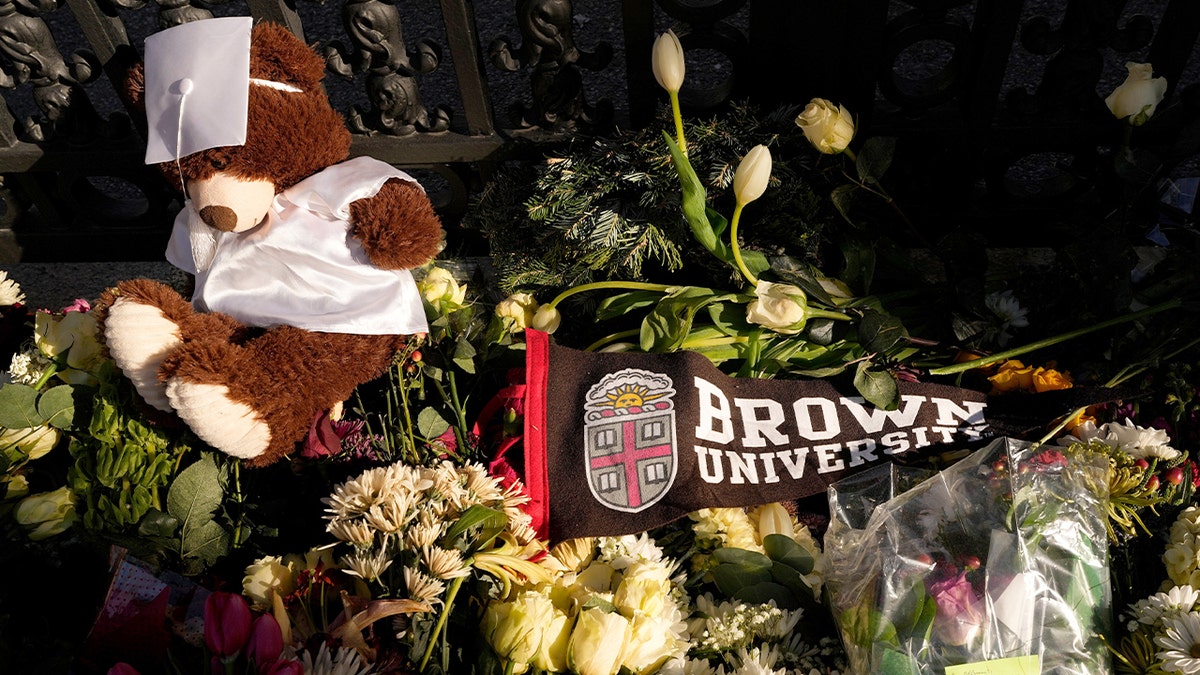
Visitors pause at a makeshift memorial at the Van Wickle Gate at Brown University for the victims of a mass shooting. (AP Photo/Robert F. Bukaty)
“As I step into this role, I do so fully aware that there are critical questions about the strength of our safety and security systems,” he added. “Acknowledging those questions is not about assigning blame—it is about responsibility, learning and improvement. … Safety requires more than visible security. It is built through preparation, transparency, trust and partnership.”
The department said it will work on improving coordination with local agencies, enhancing emergency communications and training, and reinforcing awareness of safety and emergency resources.