Share this @internewscast.com
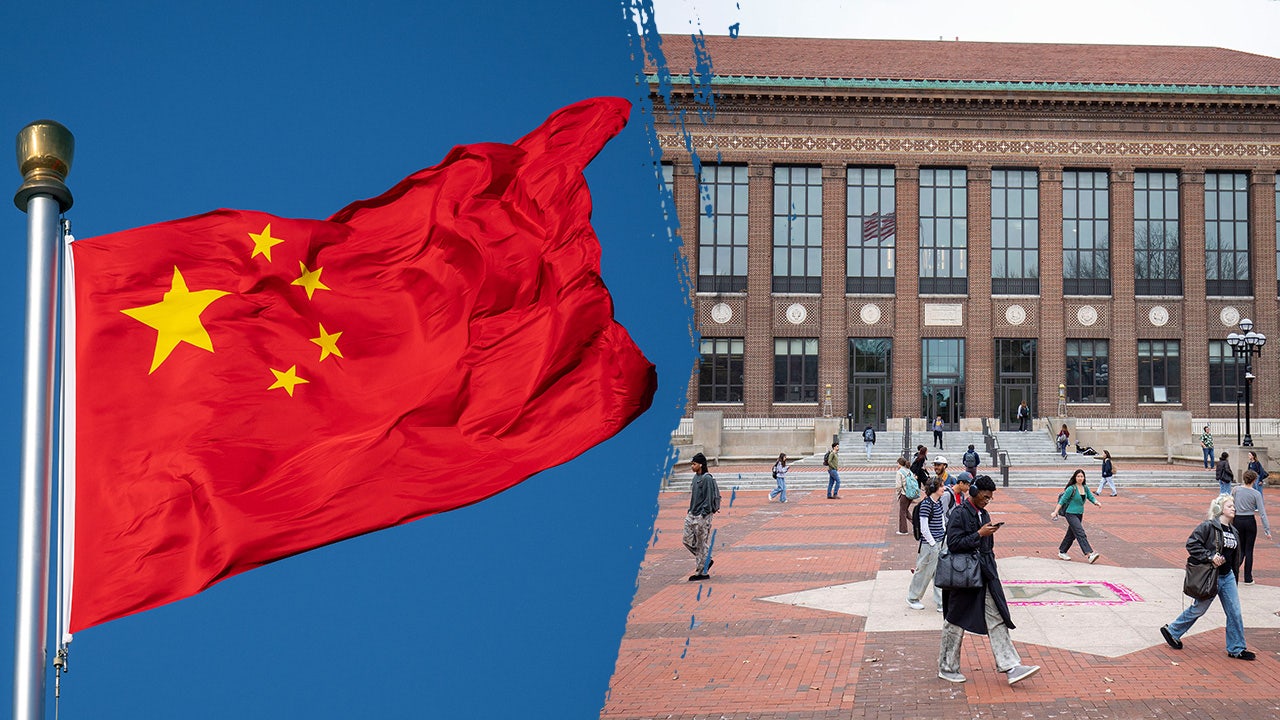
Chinese authorities have raised allegations that a University of Michigan researcher was interrogated by U.S. law enforcement shortly before his tragic death on campus last month—a claim that U.S. officials have yet to corroborate.
Danhao Wang, who served as a research assistant in the field of electrical and computer engineering, passed away in March following an incident at the George G. Brown Building, as stated by the university.
The University of Michigan Police Department reported that officers were called to the scene around 11 p.m. on March 19, following a report of a person who had fallen inside the building. The individual, identified as an assistant research scientist, fell from an upper level and was subsequently pronounced dead.
Authorities are currently investigating the incident as a potential act of self-harm and have indicated that there is no threat to the safety of the campus community.
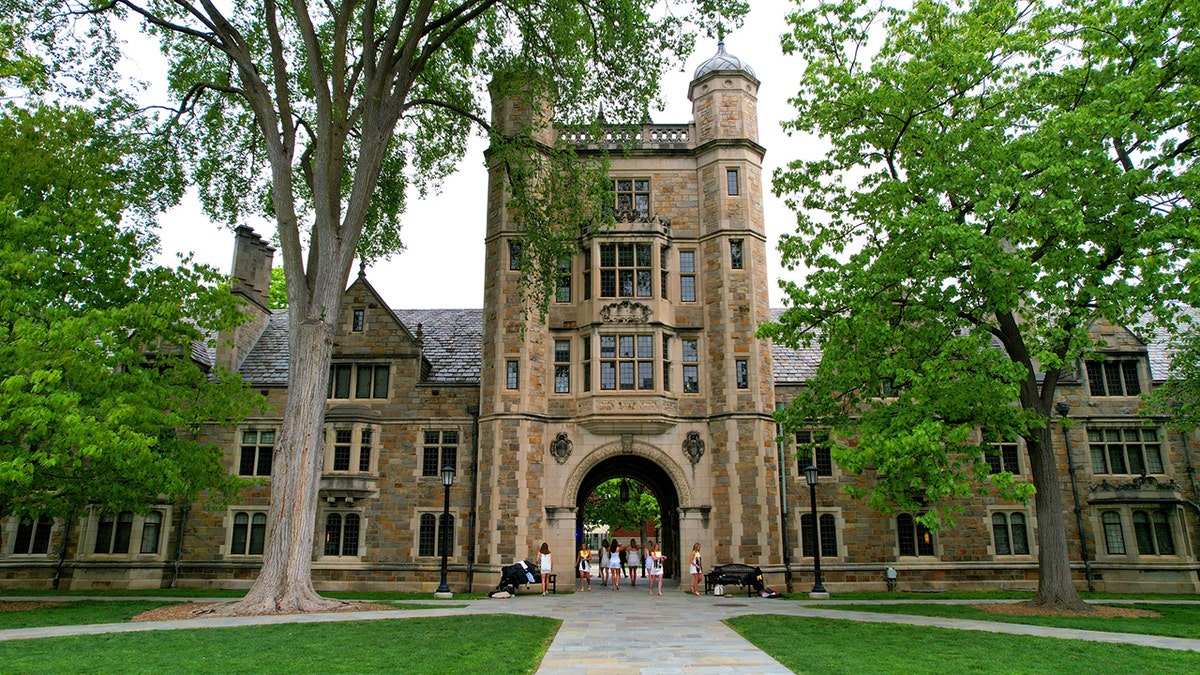
Amid these developments, Chinese officials have expressed concerns regarding the events leading up to Wang’s untimely death.
Chinese officials, however, have publicly raised concerns about the circumstances leading up to Wang’s death.
In a statement issued March 30, the Chinese Consulate in Chicago said a Chinese scholar died “the day after being questioned by U.S. law enforcement personnel,” adding that officials, acting under instructions from Beijing, had protested multiple times to U.S. government agencies and the university.
The consulate said it had contacted the scholar’s family “at the earliest opportunity” and was assisting them, while accusing the United States of “overstretching” national security concerns to “groundlessly interrogate and harass Chinese students and scholars.”
It also warned of a “serious chilling effect” and advised Chinese nationals in the U.S. to exercise caution in interactions with law enforcement and contact Chinese diplomatic missions if they encounter similar situations.
The consulate did not identify the individual.
During a March 27 press briefing, Chinese Foreign Ministry spokesperson Lin Jian said China had protested the case and accused the United States of “groundlessly interrogat[ing] and harass[ing] Chinese scholars and students,” calling for a full investigation.
U.S. officials have not confirmed that any such questioning took place.
In a statement to Fox News Digital, the FBI’s Detroit field office declined to say whether it had any contact with Wang.
“As a matter of longstanding policy, the FBI neither confirms nor denies the existence of any investigation or investigative activity involving specific individuals,” the bureau said.
University of Michigan police told Fox News Digital they would not be releasing additional information beyond their public statement, citing the ongoing investigation.
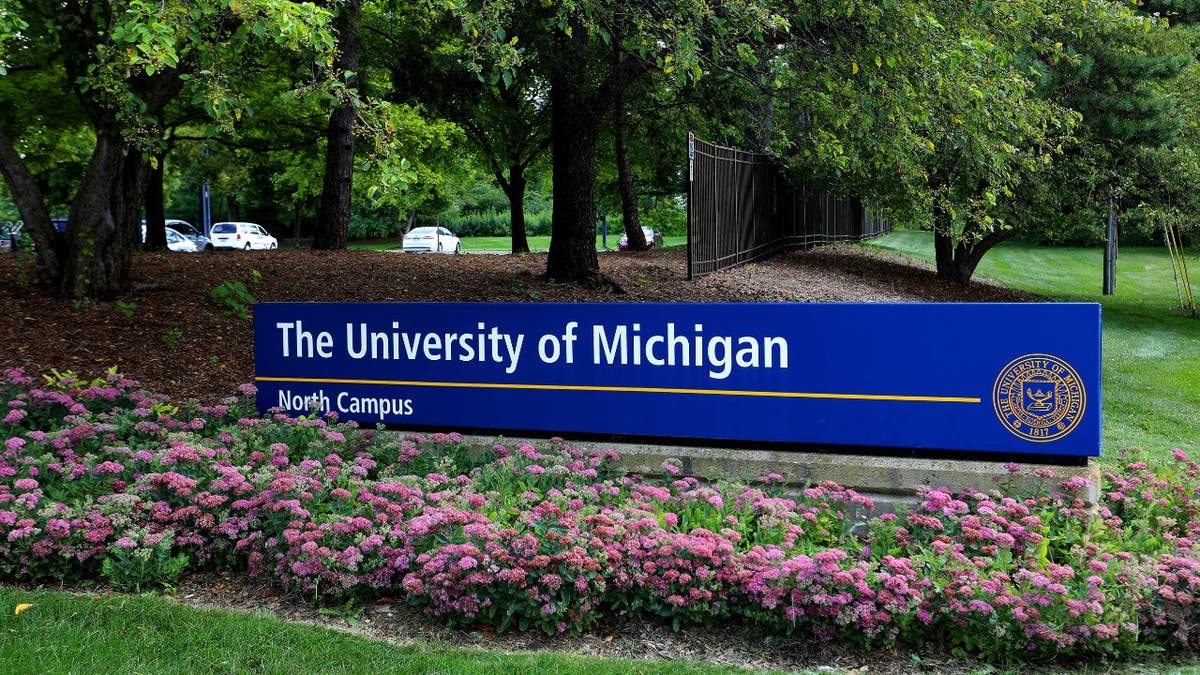
The researcher died at the University of Michigan. (Raymond Boyd/Getty Images)
The allegations were first reported by Michigan Advance, which said federal agencies declined to comment on whether Wang had been questioned prior to his death.
Wang’s death remains under investigation, and an autopsy report has been requested.
In a message to the university community, Engineering Dean Karen Thole described Wang as a “promising and brilliant young mind,” noting his research into advanced semiconductor materials had been published in “Nature.”
The case comes amid heightened scrutiny of Chinese nationals at U.S. universities. As previously reported by Michigan Advance, federal authorities have brought charges in recent months against individuals with ties to the University of Michigan accused of attempting to smuggle biological materials into the United States.