
Share this @internewscast.com
China’s highest-ranking military official has been dismissed and is under investigation as part of President Xi Jinping’s ongoing campaign to address misconduct among top military leaders.
The Chinese Defense Ministry revealed on Sunday that General Zhang Youxia is being scrutinized for allegedly breaching both party regulations and national laws. As the vice-chairman of China’s Central Military Commission, General Zhang held substantial influence, ranking just beneath President Xi in military hierarchy.
Additionally, Liu Zhenli, another prominent figure on the commission, is facing an investigation by the Chinese Communist Party. Liu holds the position of chief of staff within the commission’s Joint Staff Department.
This recent shake-up follows a pattern of military purges, the last major one occurring in October when the Communist Party removed He Weidong, a previous vice-chair of the commission. He was succeeded by Zhang Shengmin, a known supporter of Xi, who remains in his position despite the latest dismissals.
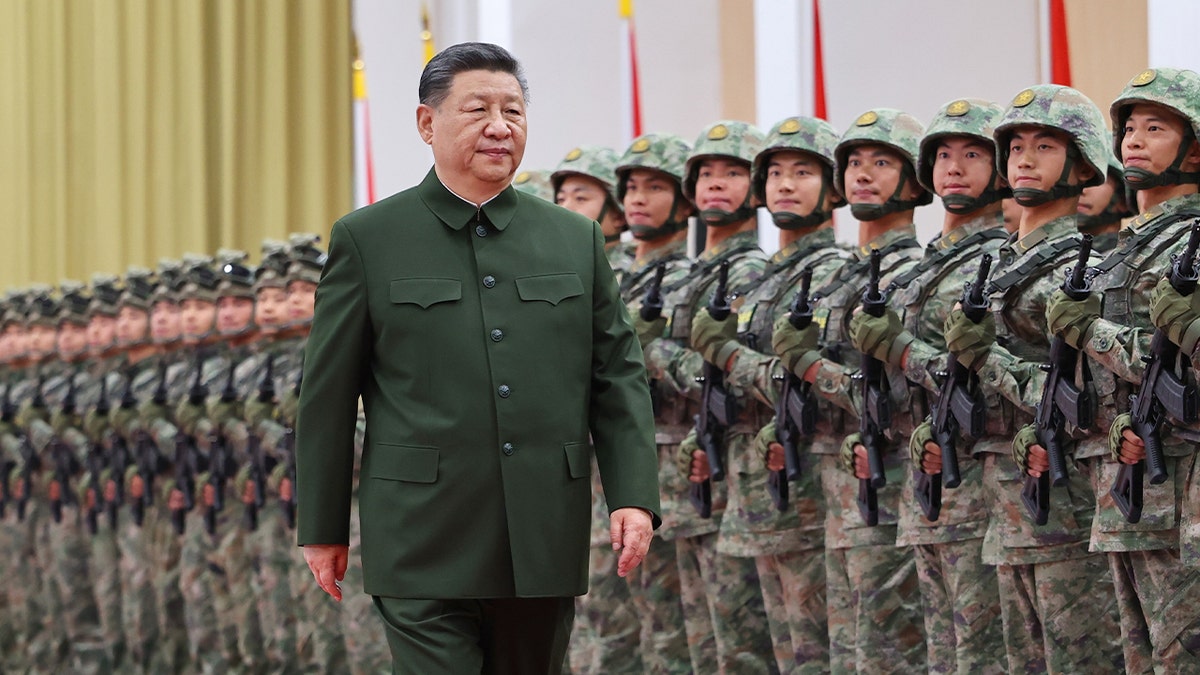
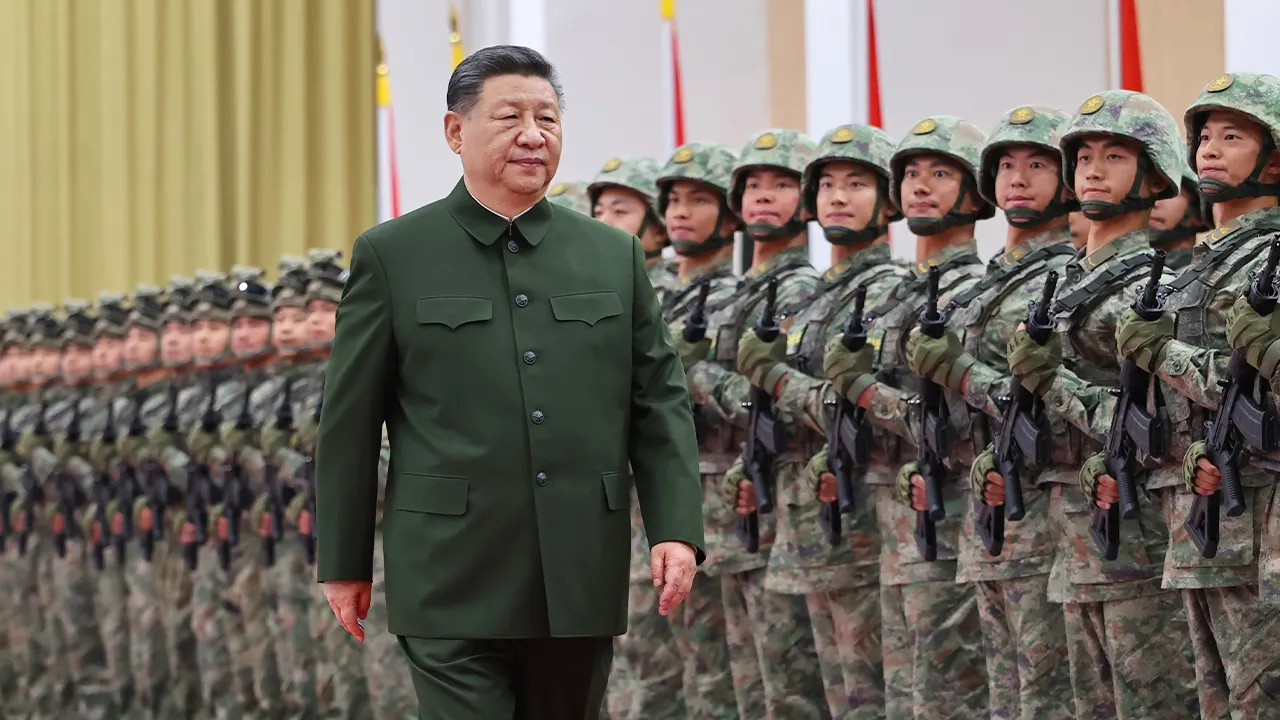
President Xi Jinping, who is also the general secretary of the Communist Party and head of the Central Military Commission, inspects the troops of the Chinese People’s Liberation Army. (Li Gang/Xinhua via Getty Images)
These personnel changes coincide with a strategic shift from the United States, as the Trump administration unveiled a new National Defense Strategy on Friday. This policy pivots the U.S. military focus towards asserting dominance in the Western Hemisphere, moving away from its previous objective of countering China.
“This does not require regime change or some other existential struggle,” the document reads. “Rather, a decent peace, on terms favorable to Americans but that China can also accept and live under, is possible.”

President Donald Trump’s administration released a new National Defense Strategy. (Evan Vucci/AP Photo)
The document also reflects Trump’s ongoing frustration with U.S. allies for failing to adequately contribute to their own defense. It says the U.S. will increasingly expect allied nations to handle their own security.
“We will engage in good faith with our neighbors, from Canada to our partners in Central and South America, but we will ensure that they respect and do their part to defend our shared interests,” the strategy says. “And where they do not, we will stand ready to take focused, decisive action that concretely advances U.S. interests.”