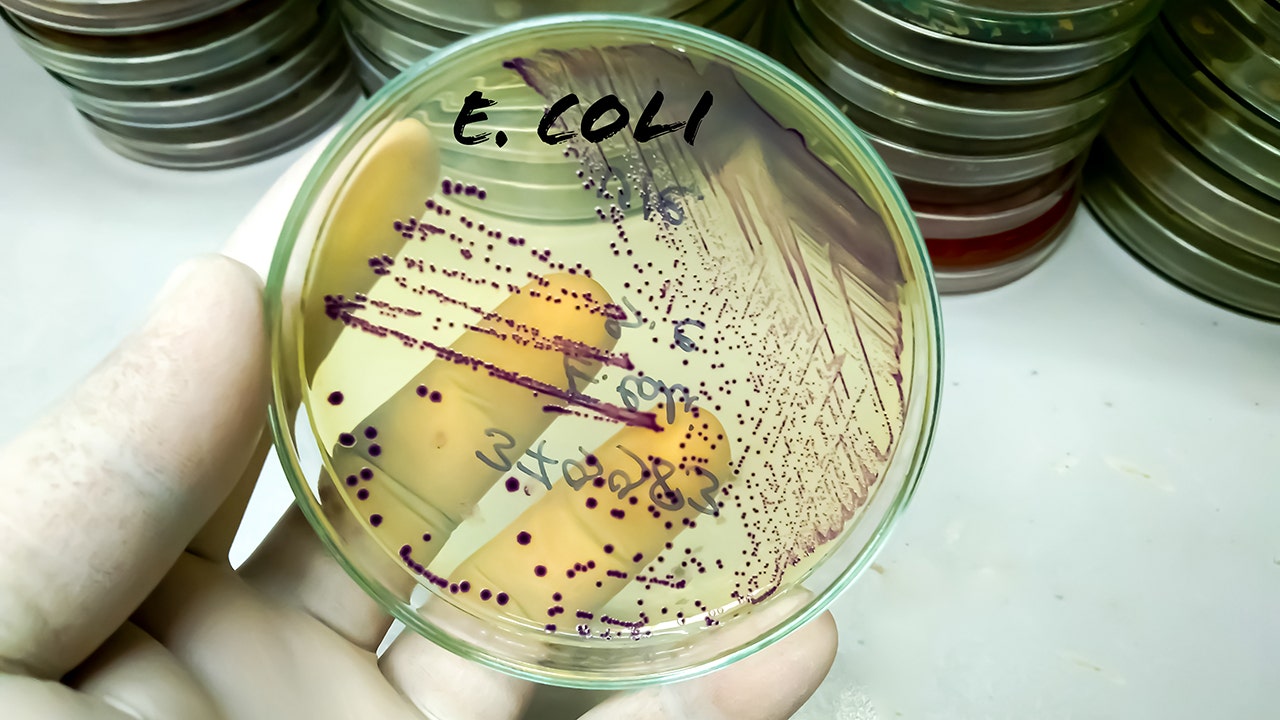
A Chinese scientist has been handed a prison sentence exceeding four months after admitting to smuggling Escherichia coli (E. coli) into the United States. Federal prosecutors made this announcement on Tuesday, highlighting the unusual nature of the case.
Youhuang Xiang, 32, who previously worked as a postdoctoral researcher at Indiana University, faced charges after he was discovered to have hidden E. coli DNA in a shipment from China. This package was deceitfully labeled as women’s underwear, as detailed by the U.S. Attorney’s Office for the Southern District of Indiana.
The investigation by federal authorities also unearthed that Xiang was affiliated with the Chinese Communist Party, a fact he failed to disclose to immigration officials. This revelation has ignited concerns about the potential risks to public safety and the integrity of research funded by the federal government.
U.S. Attorney Tom Wheeler commented on the gravity of the situation, stating, “Such conduct poses a very serious threat to public safety and to the health of our agricultural economy.”
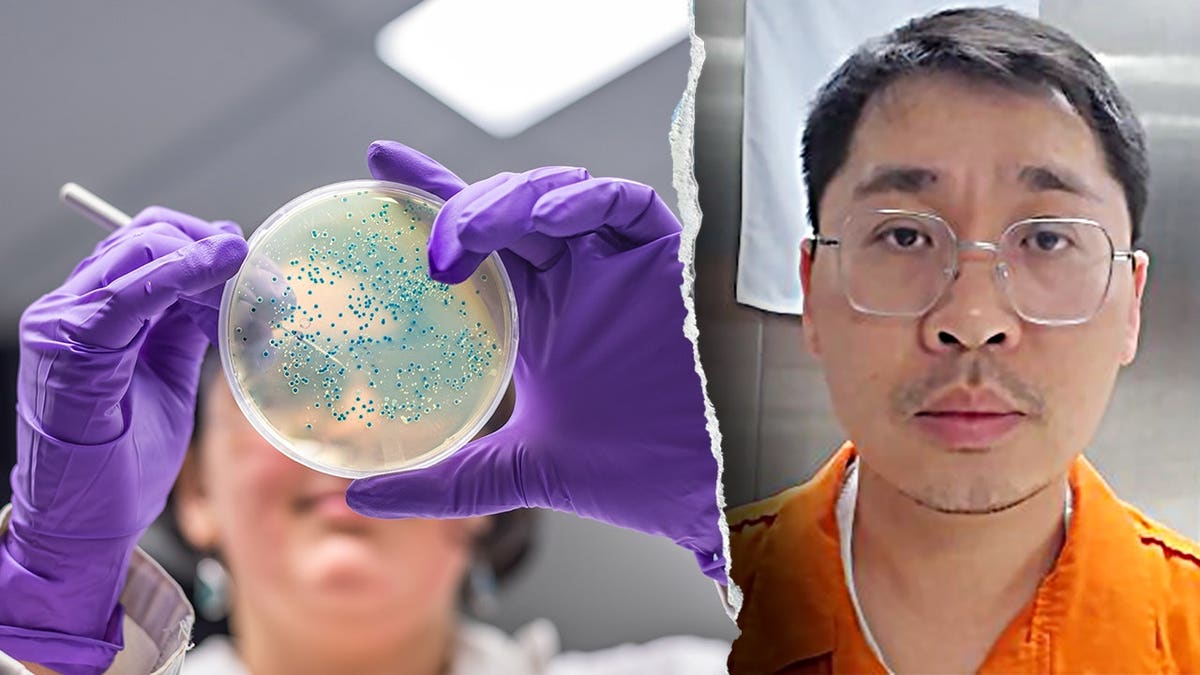
The incident unfolded when Xiang received the suspicious package at his Bloomington, Indiana home in March 2024. The package, originating from a China-based company, was deliberately misrepresented on the shipping manifest to evade customs scrutiny.
This case serves as a stark reminder of the challenges faced in safeguarding public health and maintaining the trustworthiness of scientific research against a backdrop of international tensions and espionage concerns.
According to court documents, the FBI’s Indianapolis Division began investigating suspicious shipments from China to individuals affiliated with Indiana University in November 2025. Agents determined that Xiang had received a shipment from Guangzhou Sci-Tech Innovation Trading that was declared as “Underwear of Man-Made Fibers, Other Womens.” Investigators found the shipment unusual, given the company’s focus on science and technology products.
He was later stopped by U.S. Customs and Border Protection officers at Chicago O’Hare International Airport in November 2025 upon his return from a research trip to the United Kingdom. Authorities said he initially denied knowledge of the shipment before admitting the contents had intentionally concealed samples of DNA of E. coli bacteria, according to court documents.
E. coli is a bacteria that lives in the gut but can cause serious illness if harmful strains spread.
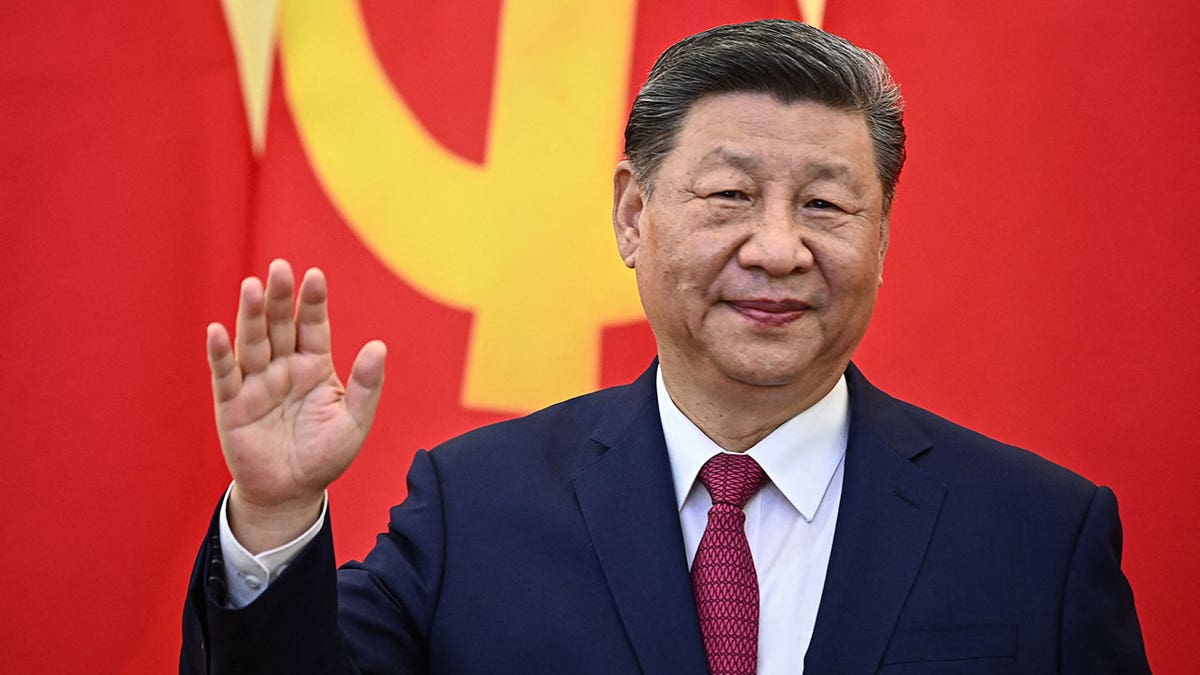
Chinese President Xi Jinping waves during a meeting with Vietnam’s communist party general secretary To Lam in Hanoi on April 14, 2025. (Nhac Nguyen/AFP)
“Those who attempt to secretly bring biological materials into the United States are taking a serious risk with public safety,” FBI Indianapolis Special Agent in Charge Timothy J. O’Malley said.
A federal judge sentenced Xiang to more than four months in prison, along with a fine and supervised release, and ordered his removal from the United States following his sentence.
“This Chinese Communist Party member exploited a federally funded research grant… to smuggle dangerous biological material into the United States,” USDA Inspector General John Walk said.
The case is part of a broader pattern of recent prosecutions involving foreign researchers accused of smuggling biological materials into the U.S.
In November, federal prosecutors charged three Chinese nationals with conspiring to smuggle biological materials into the U.S. while working at the University of Michigan’s Shawn Xu Laboratory, alleging they made false statements to customs officials to bring in roundworm-related materials from China.
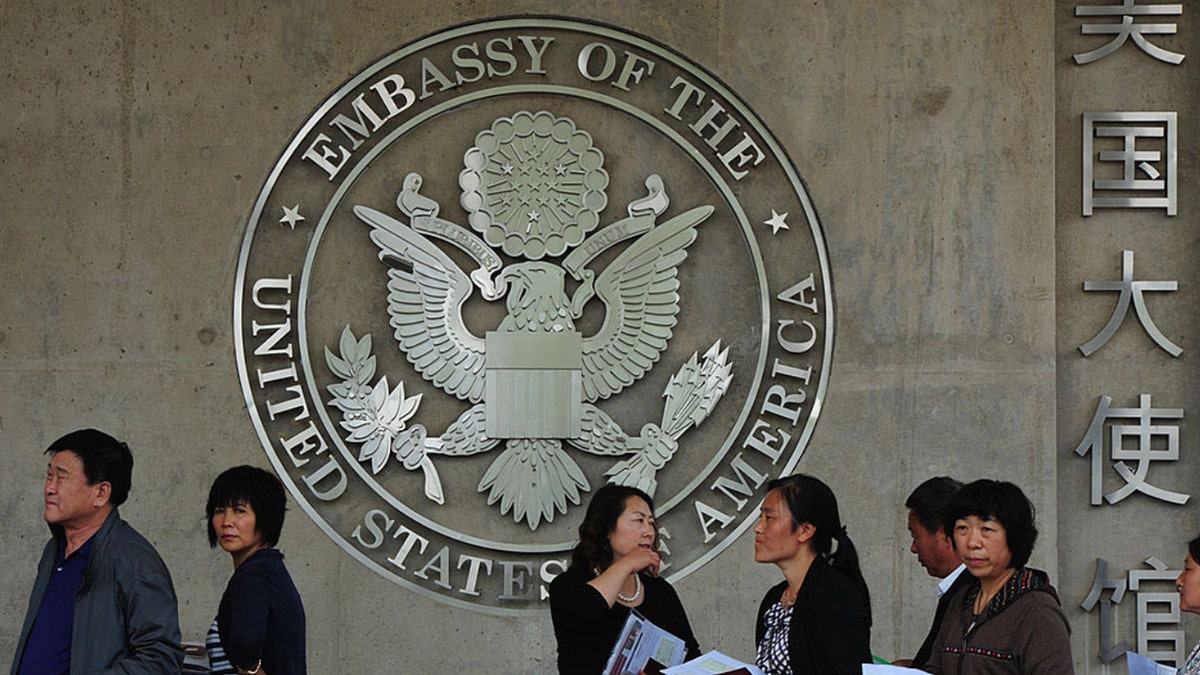
Visa applicants line up at the U.S. Embassy in China. (Mark Ralston/AFP/Getty Images)
Authorities said the suspects were participating in J-1 visa programs and allegedly received concealed shipments from a China-based researcher who had previously been convicted of similar offenses and removed from the U.S.
In a separate case in February 2025, a Russian-born Harvard researcher was detained at Boston Logan International Airport for allegedly smuggling frog embryos into the country without proper permits. Authorities said the materials were discovered after the scientist initially denied carrying biological substances. She was later released from federal custody while the case proceeds.


