
Share this @internewscast.com
A massive power outage swept through western Cuba on Wednesday, plunging millions into darkness. This latest blackout adds to the island’s ongoing struggles with energy shortages exacerbated by sanctions imposed during the Trump administration.
The U.S. Embassy in Cuba reported that around 12:41 p.m., the national electrical grid experienced a “disconnection,” leading to a widespread blackout from Camagüey to Pinar del Río, affecting the larger Havana area.
“Cuba’s national electrical grid is becoming increasingly unstable, with both scheduled and unscheduled power outages occurring daily, even in Havana,” stated the embassy.
The embassy also warned that these outages disrupt essential services such as water supply, lighting, refrigeration, and communications, urging residents to conserve resources like fuel, water, and food, and to keep their mobile phones charged, while preparing for significant disruptions.

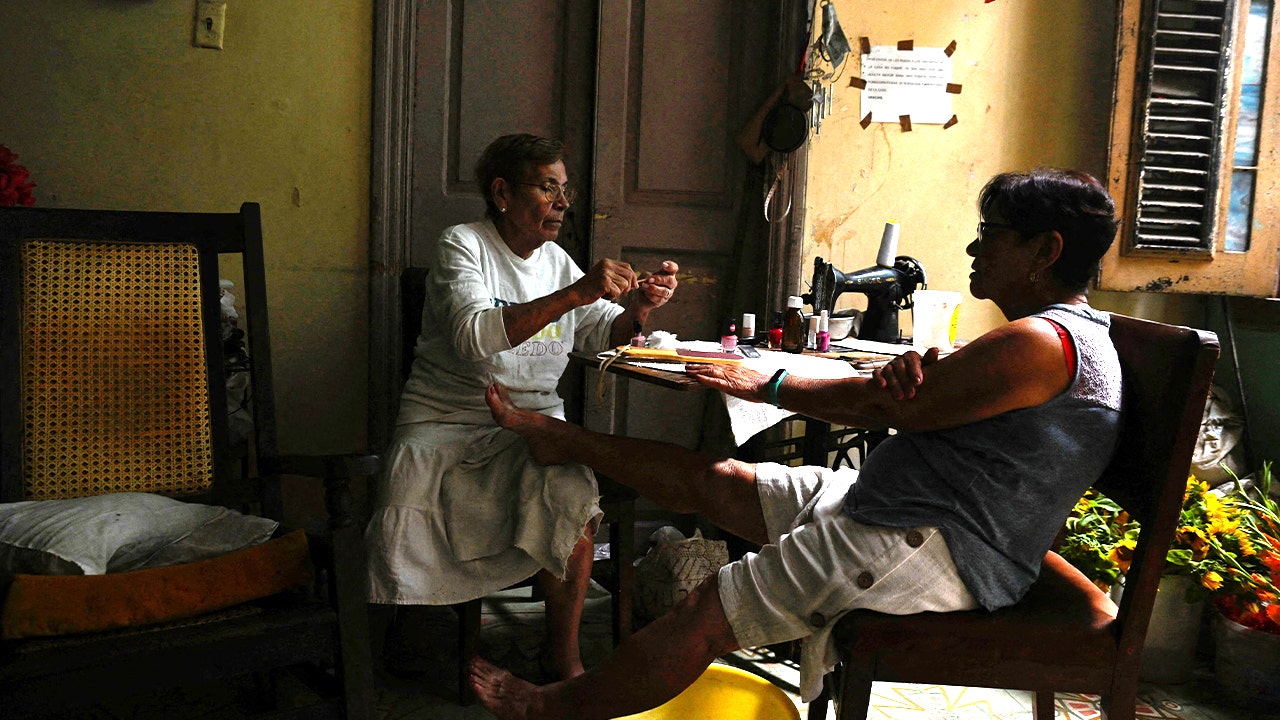
During the blackout, Neya Perez, an 86-year-old resident, was seen painting the nails of her neighbor Reyna Maria Rodriguez, 77, illustrating the community’s resilience amidst the widespread power failure in Havana. This moment was captured on March 4, 2026. (REUTERS/Norlys Perez)
Reports indicate that the incident was triggered by an unexpected shutdown of the Antonio Guiteras thermoelectric plant, situated about 62 miles to the east of Havana.
Local reports indicate the island may need at least three days to restore operations, according to the Associated Press.
Vicente de la O Levy, the minister of Energy and Mines of Cuba, added that “We are working on the restoration of the SEN amid a complex energy situation.”
At least one power plant, Felton 1, remains online, he said.
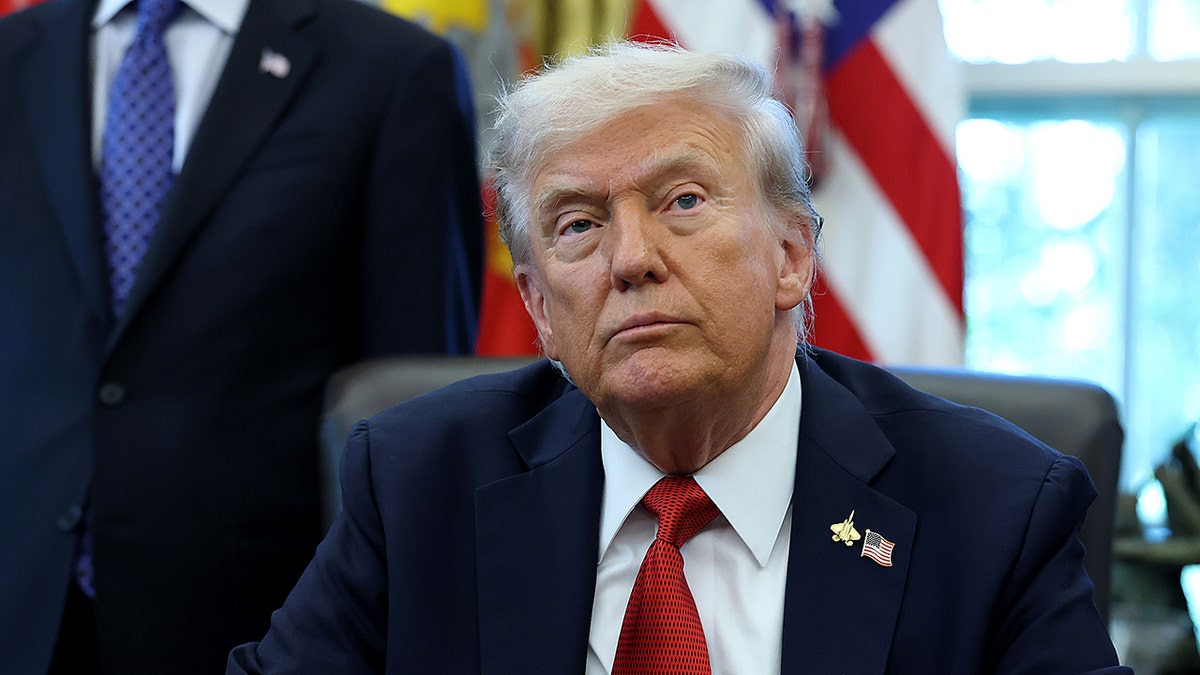
President Donald Trump speaks in the Oval Office at the White House on Oct. 6, 2025 in Washington, D.C. (Anna Moneymaker/Getty Images)
Reuters reported that, because Cuba is accustomed to frequent power outages caused by state-imposed energy rationing, some traffic lights and businesses remained operational thanks to solar panels or backup generators. Many residents have also installed solar panels on their homes and vehicles to maintain electricity amid soaring fuel prices, the outlet said.
Cuba has endured a string of widespread blackouts in recent years due to long-standing issues with its aging power infrastructure and chronic fuel shortages.
However, the situation worsened in January after a U.S. military operation captured Venezuelan President Nicolás Maduro and halted Venezuelan oil exports, effectively choking off Cuba’s key source of fuel.
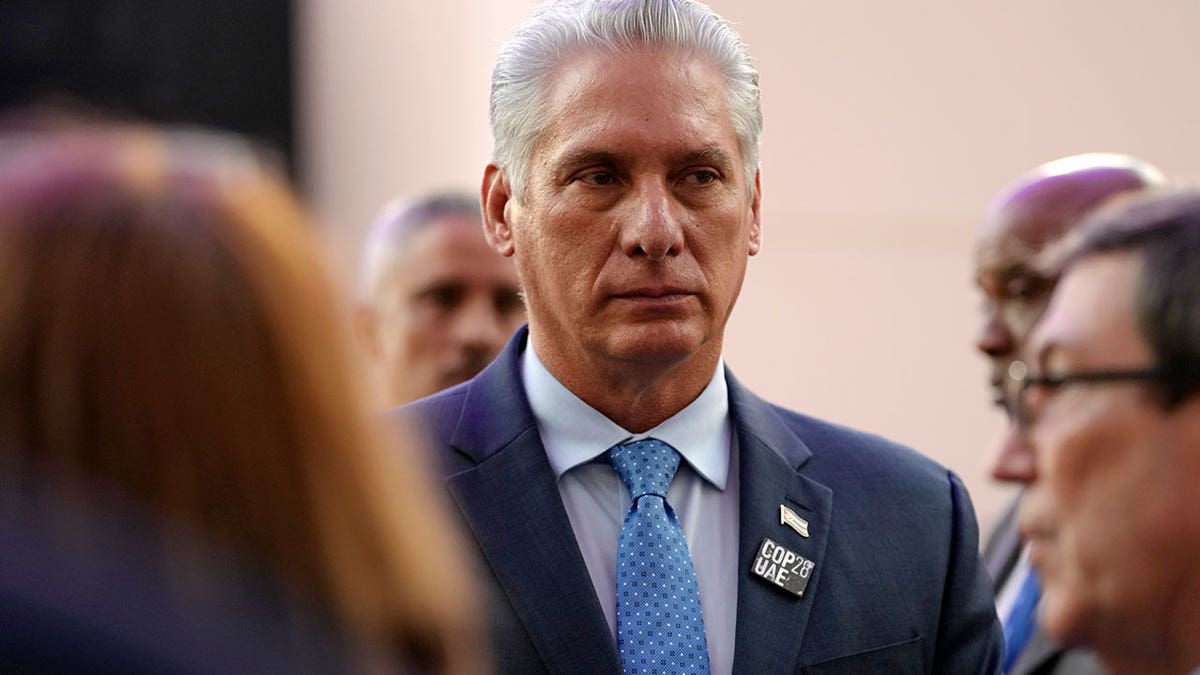
FILE – Cuba President Miguel Diaz-Canel walks through the COP28 U.N. Climate Summit, Saturday, Dec. 2, 2023, in Dubai, United Arab Emirates. (AP Photo/Peter Dejong, File)
Cuban President Miguel Díaz-Canel stated in January that, despite the U.S. severing Havana’s energy lifeline, his administration would not negotiate with Washington to establish a new agreement.
Related Article