
Share this @internewscast.com
Cuban President Miguel Díaz-Canel announced on Monday that his government is not in talks with the United States, countering President Donald Trump’s threats aimed at pressuring Cuba into negotiations due to the cessation of Venezuelan oil supplies.
“There are no discussions with the U.S. administration, apart from technical exchanges regarding migration,” Díaz-Canel stated in a post on X.
The Cuban leader accused the U.S. of exerting aggressive pressure on Cuba and emphasized that any future negotiations must align with international legal standards.
“As history has shown, progress in U.S.-Cuba relations must be grounded in International Law, not in aggression, threats, or economic pressure,” he asserted.
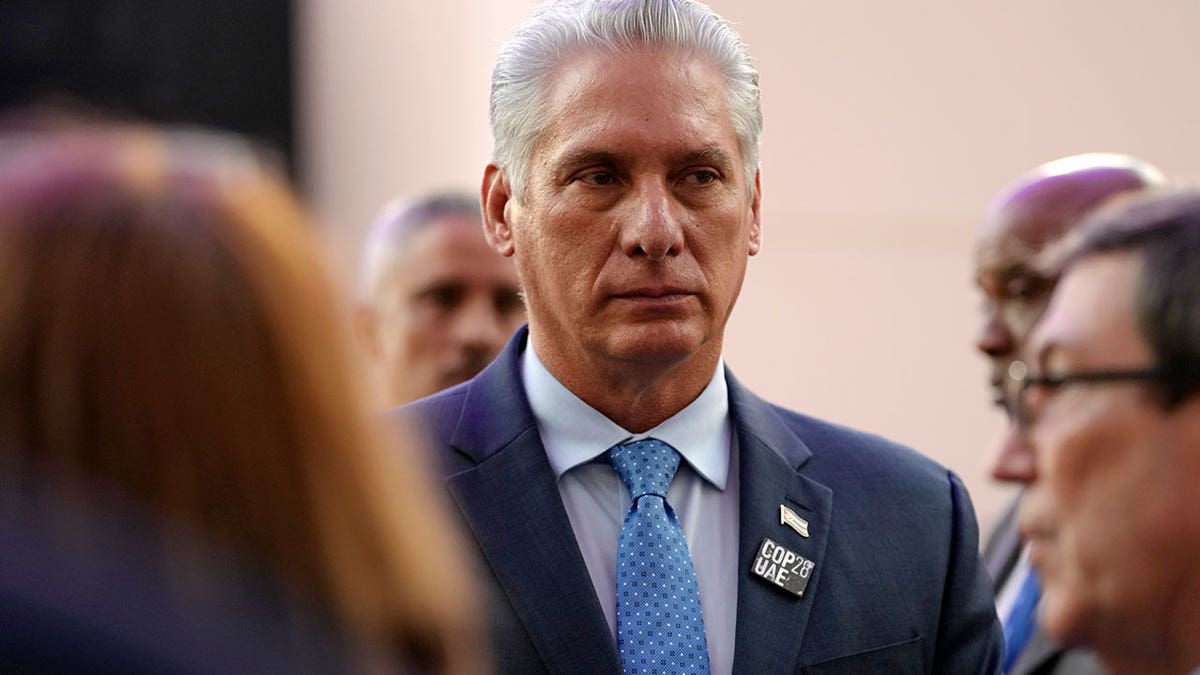
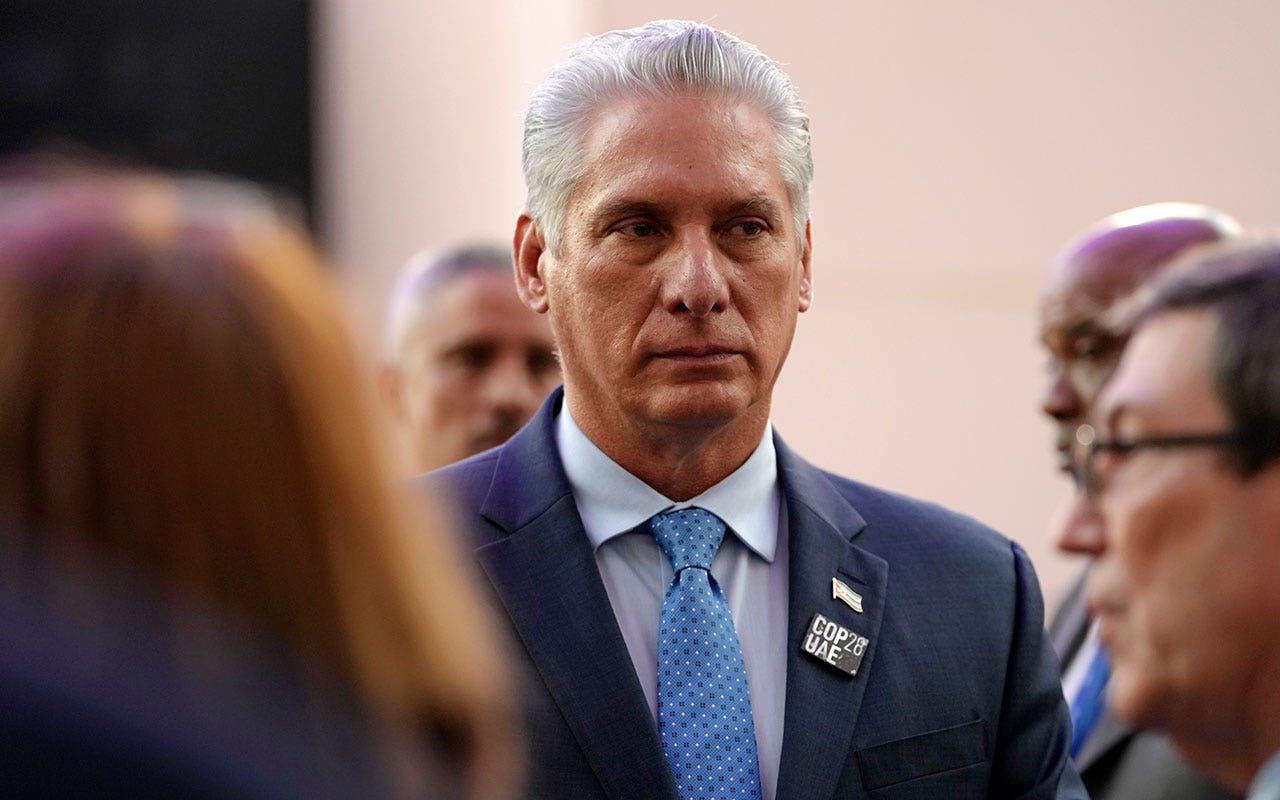
Cuban President Miguel Díaz-Canel walks through the COP28 U.N. Climate Summit on Saturday, December 2, 2023, in Dubai, United Arab Emirates. (Photo by Peter Dejong/AP)
“We have consistently been open to meaningful and responsible dialogue with successive U.S. administrations, including the current one, based on sovereign equality, mutual respect, International Law principles, mutual benefit without internal interference, and full respect for our autonomy,” Díaz-Canel added.
On Sunday, Trump declared that Cuba would no longer receive oil or money from Venezuela, a move that would sever Havana’s longtime energy and financial lifeline.
The announcement came after a stunning Jan. 3 operation in Venezuela, in which American forces captured President Nicolás Maduro and reportedly killed at least 32 Cuban personnel.
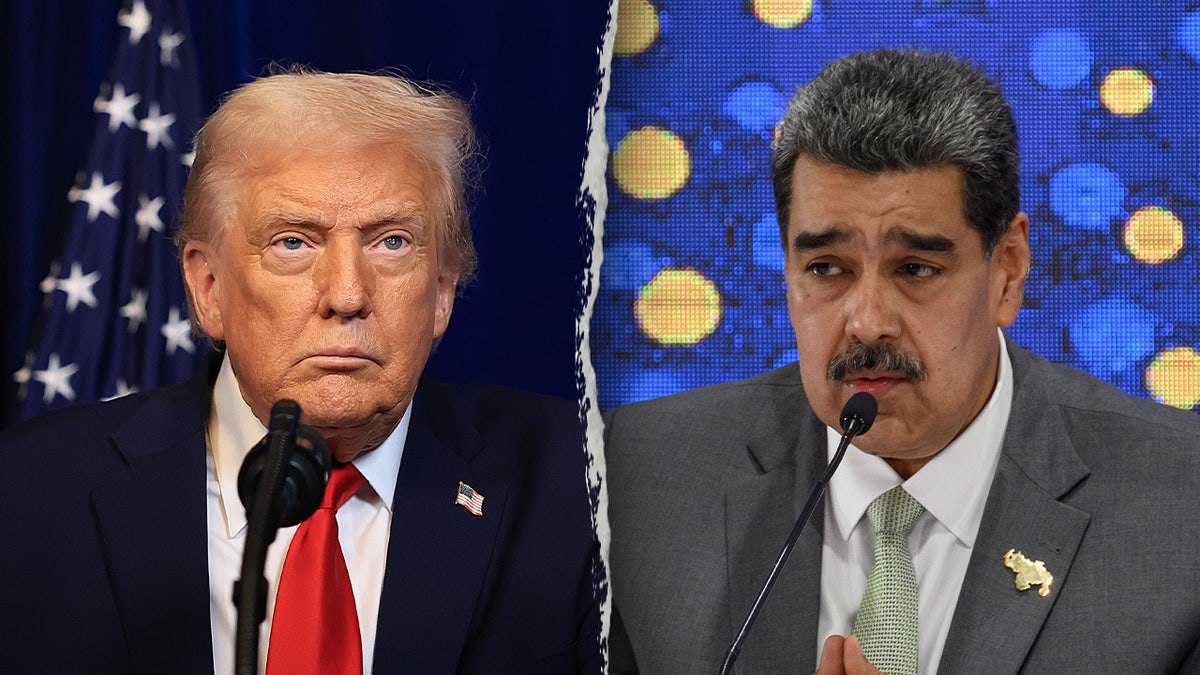
President Donald Trump (left) led a military operation on Jan. 3 that led to the capture of Venezuelan leader Nicolas Maduro (right). (Joe Raedle/Getty Images; Gaby Oraa/Getty Images)
“THERE WILL BE NO MORE OIL OR MONEY GOING TO CUBA – ZERO! I strongly suggest they make a deal, BEFORE IT IS TOO LATE,” he warned.
Cuba has long depended on imported oil to keep its aging power grid running. Before the U.S. attack on Venezuela, Havana was receiving 35,000 barrels a day from Venezuela, roughly 7,500 from Russia and some 5,500 barrels daily from Mexico, The Associated Press reported, citing Jorge Piñón of the Energy Institute at the University of Texas at Austin, who tracks the shipments.
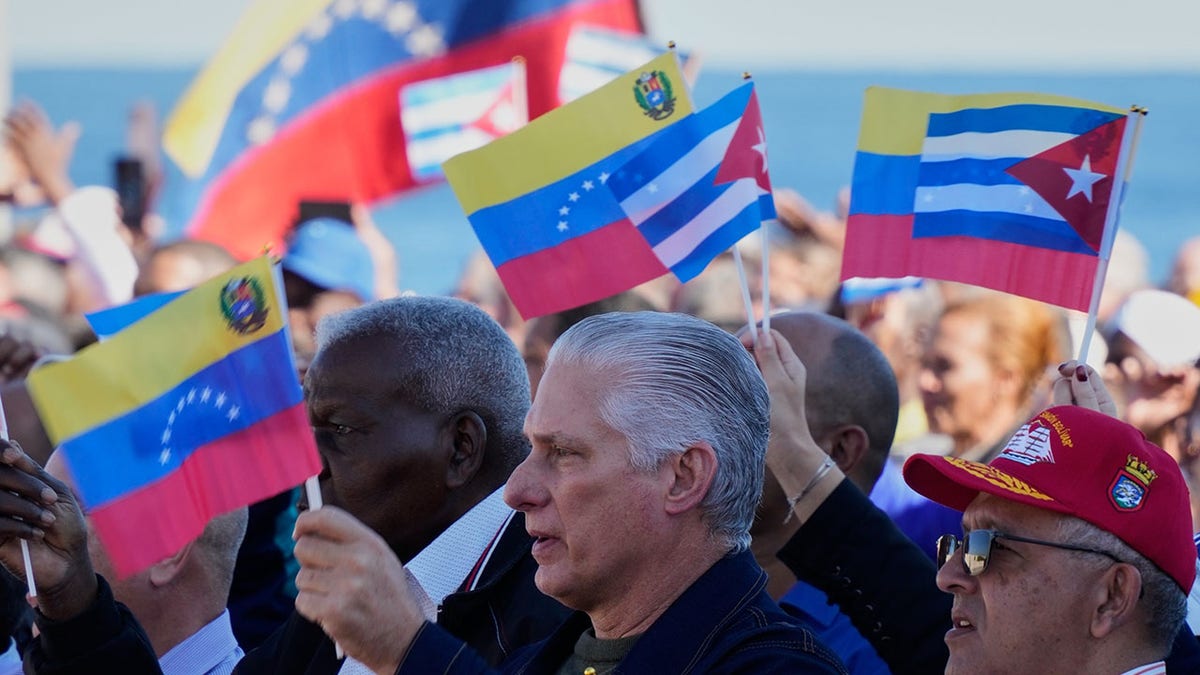
Cuban President Miguel Diaz-Canel attends a rally in Havana, Cuba, Saturday, Jan. 3, 2026, in solidarity with Venezuela after the U.S. captured President Nicolás Maduro and flew him out of Venezuela. (Ramon Espinosa/AP Photo)
Even with Venezuelan oil imports, Cuba has suffered widespread blackouts in recent years due to persistent fuel shortages, an aging and crumbling electric grid and damage from hurricanes that have battered the island’s infrastructure.
Now, with U.S. sanctions tightening on both Russian and Venezuelan oil, blackouts could worsen as Havana’s leaders reject Trump’s call to strike a deal.