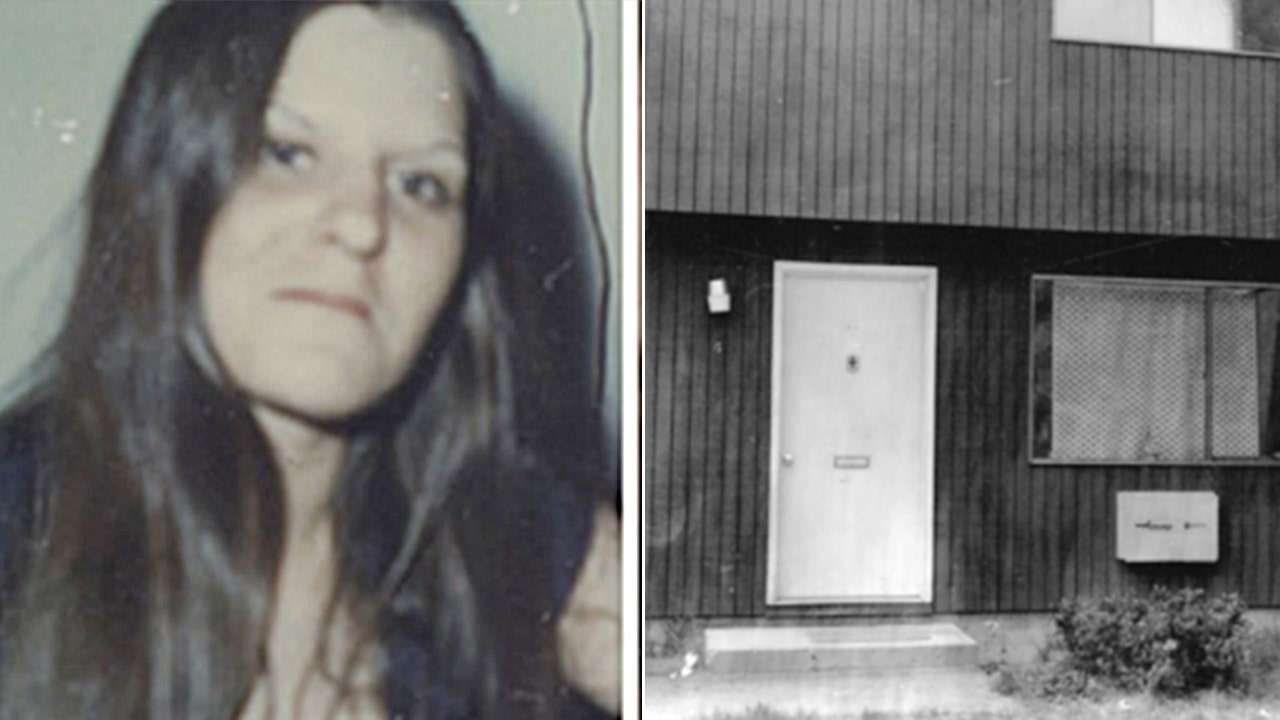

In a significant development, the state attorney general has announced the resolution of a tragic case that has haunted Concord, New Hampshire, for fifty years. The murder of 22-year-old Judith “Judy” Lord, a young mother, will now officially be marked as “solved,” bringing closure to a mystery that has lingered since 1975.
On May 20, 1975, Judy Lord was discovered lifeless in her apartment, the victim of a brutal crime. An autopsy confirmed that she had died from “homicidal strangulation,” a fact that has haunted her family and the community for decades.
Recent photographs of Judy Lord, released by the New Hampshire Department of Justice, serve as a poignant reminder of the young life that was cut short. These images have been included in the report that finally names her killer.
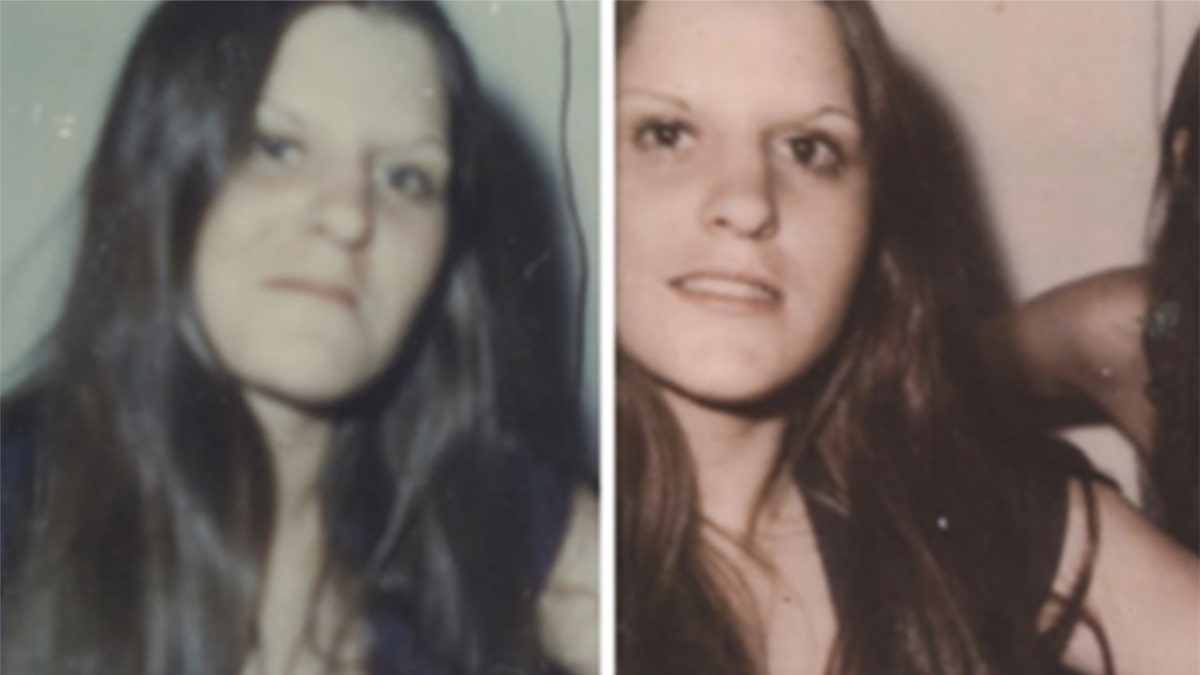
The investigation identified her murderer as Ernest Theodore Gable, a man who met his own violent end in 1987 at the age of 36. According to the report, a combination of advanced DNA analysis, fingerprint evidence, and witness accounts has conclusively pointed to Gable as the perpetrator of this heinous crime.
The state attorney general’s report highlights the contrast between past and present forensic capabilities, noting that while the initial investigation was thorough, it was ultimately hampered by the limitations of the era’s forensic science. Specifically, the unreliable nature of microscopic hair comparison proved to be a stumbling block. Fortunately, modern DNA technology has succeeded where earlier methods failed, providing the clarity needed to bring closure to this long-standing case.
“The convergence of irrefutable DNA evidence, fingerprint analysis, compelling witness testimony, and Mr. Gable’s own incriminating behavior and violent history establishes beyond any reasonable doubt that he was the perpetrator,” the report on the case explains. “The initial investigation was professionally conducted but ultimately thwarted by the limitations and flaws of forensic science at the time, specifically the unreliable nature of microscopic hair comparison. Modern DNA technology has rectified that failing and brought clarity to this decades-old tragedy.”
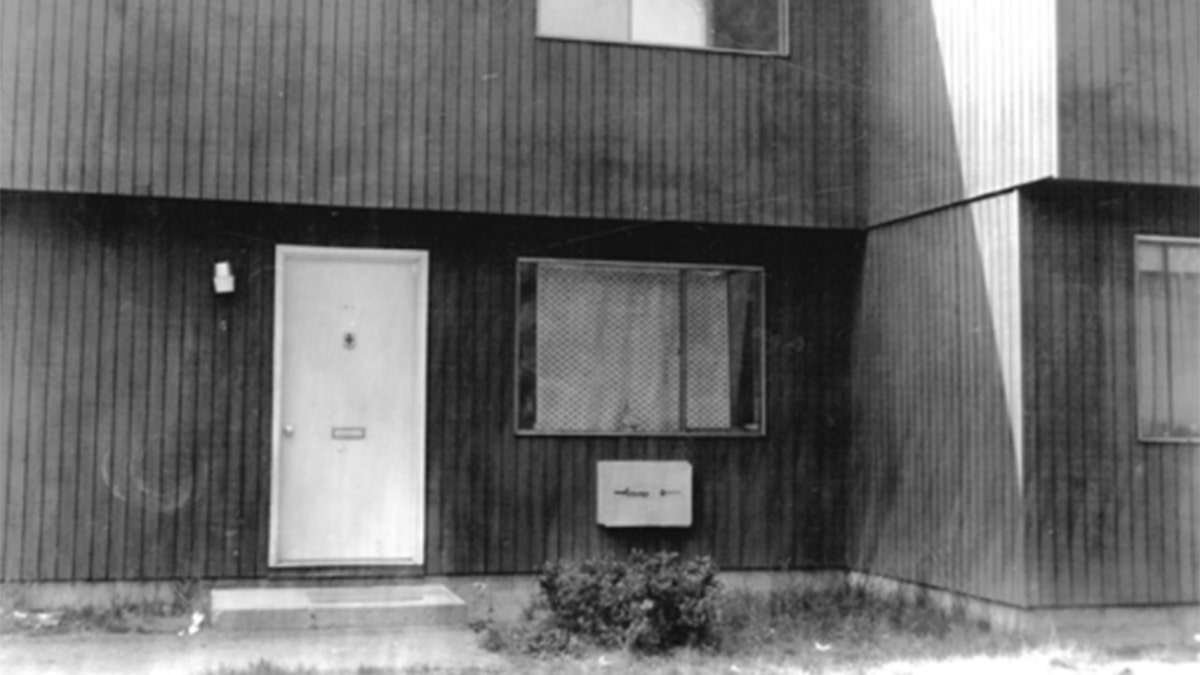
A photograph of Concord Gardens Apartment Complex, Building 19, Apartment 4 dated May 20, 1975, amid the investigation into Judith Lord’s killing. (New Hampshire Department of Justice)
The FBI Forensic Laboratory’s conclusion regarding hair hindered plans to pursue prosecution against Gable.
The report explains that, “In a report dated December 16, 1975, the Federal Bureau of Investigation’s (‘FBI’) Forensic Laboratory, using the technique of microscopic hair comparison, concluded that the hairs from the scene were ‘microscopically different’ from Ernest Gable’s and ‘did not originate from [Gable].’”
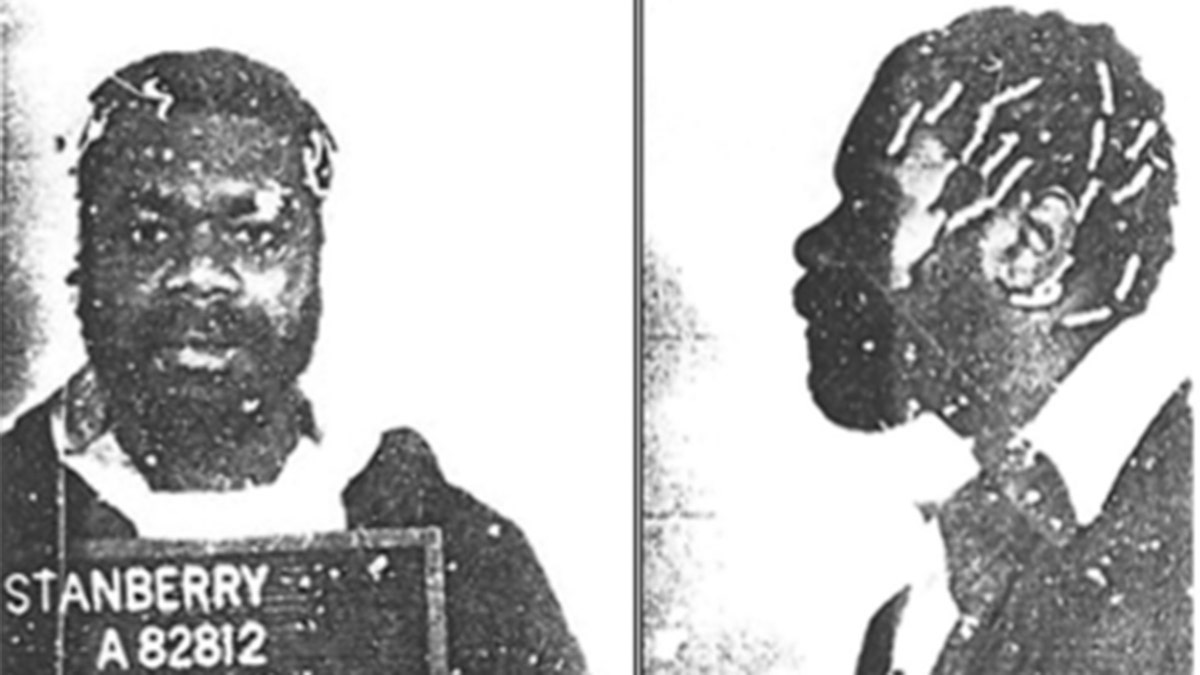
Booking photos of Ernest “Ernie” Gable, also known as Ernie Stanberry, dated Dec. 6, 1979. (New Hampshire Department of Justice)
But DNA analysis conducted years later during the cold case review pointed to Gable.
“As part of a cold case review, the semen-stained towels were subjected to modern DNA analysis with the New Hampshire State Police Forensic Laboratory ultimately confirming that DNA from the semen and sperm on both towels was a statistical match to Ernest Gable. The approximate frequency of the partial DNA profile obtained from the evidence was 1 in 6.5 million in the African American population,” the report noted.