
Share this @internewscast.com
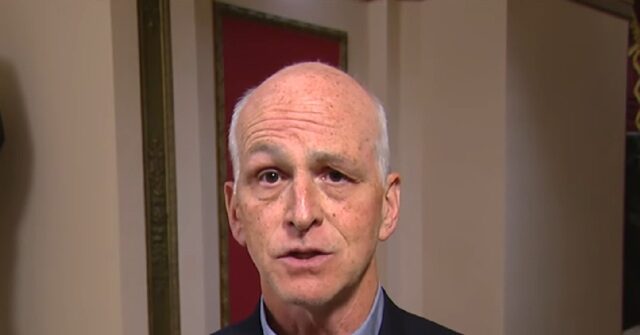
In a recent interview on NPR’s “Morning Edition,” Representative Adam Smith (D-WA) addressed the complex legal landscape surrounding the interception of oil tankers near Venezuela. While there is legal justification for boarding certain vessels, Smith emphasized that this aspect is “sort of beside the point,” suggesting that funding for such operations could potentially be halted.
Smith explained that legal grounds exist for stopping and inspecting vessels if they are flying under false flags, are unflagged, or are engaged in illicit activities. “This type of enforcement happens globally,” he noted, pointing out that Russia operates many of these so-called “dark fleet” vessels. However, Smith highlighted the legal ambiguity surrounding asset seizure, indicating that while inspections are justified, confiscating assets is a more contentious issue.
Expanding on this, Smith argued that the primary motivation behind targeting vessels near Venezuela is not so much about international law enforcement, but rather about political objectives. He contended, “The focus on these vessels is driven by the president’s desire to unseat Maduro, marking it as a regime change effort rather than a strict legal enforcement against dark fleet activities.”
When questioned about the possibility of cutting funding for operations aimed at Venezuela, Smith suggested that such measures are conceivable. However, he pointed out that this would depend on political dynamics, particularly whether Republicans prioritize their policy convictions over their political apprehensions related to former President Donald Trump. “We haven’t reached that point yet, but we must continue to push,” he concluded.