
Share this @internewscast.com
The case of 84-year-old Nancy Guthrie, allegedly kidnapped from her Tucson, Arizona home, has sparked national concern, drawing attention to the safety of senior citizens residing in typically secure and affluent neighborhoods across the U.S.
Nancy Guthrie found solace in the serene, desert-like setting of Tucson’s Catalina Foothills, a popular retreat for retirees seeking peace during their later years.
According to U.S. census data, the area has a median age of 56, with homes averaging a value of $652,000 and a population of about 53,000. Many properties, including Guthrie’s, are set on expansive plots that are hidden from road view.
In a November interview with “Today,” Savannah Guthrie’s mother described the Catalina Foothills as “laid back and gentle,” highlighting the allure of such neighborhoods nationwide.

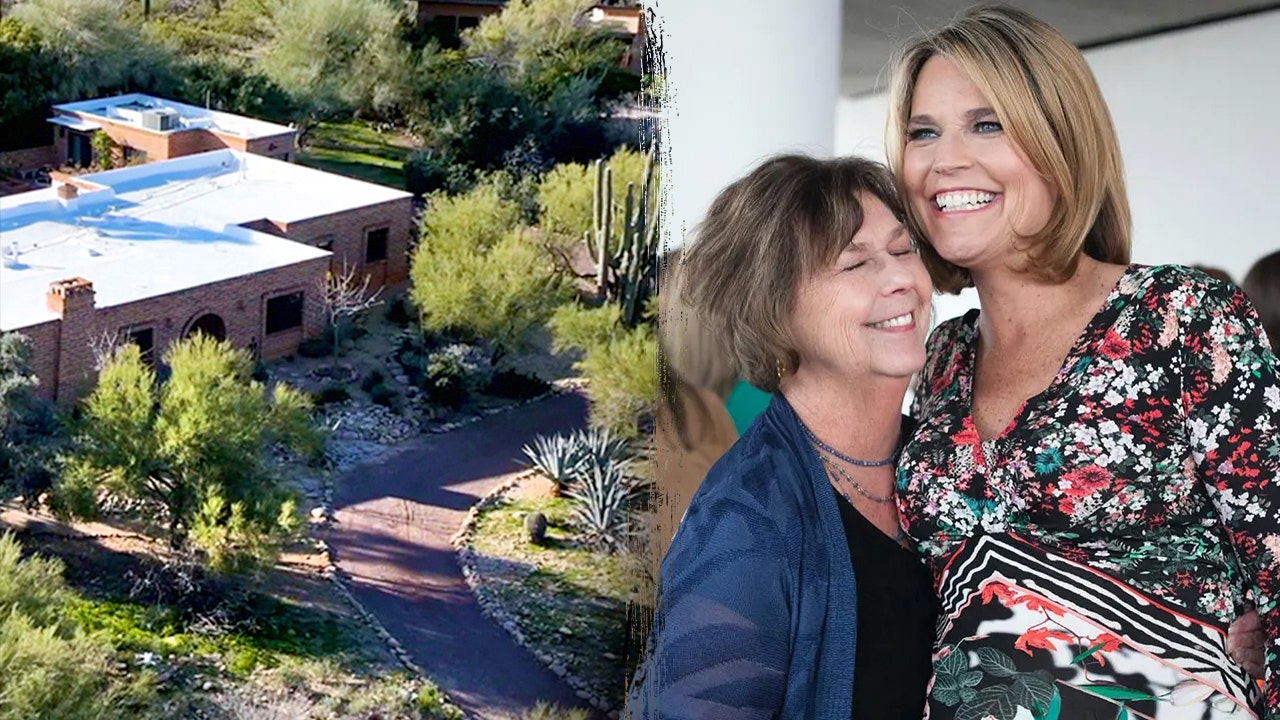
Savannah Guthrie and her mother, Nancy Guthrie, are shown in a photo taken on Thursday, June 15, 2023. (Nathan Congleton/NBC via Getty Images)
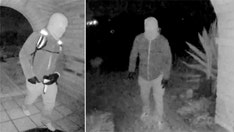
In the early hours of February 1, authorities reported that Nancy Guthrie was taken from her home in what appears to be an abduction, prompting a prolonged multi-agency search that has so far yielded limited results.
The case has rocked the country as both elderly homeowners and their children are raising questions about safety.
Since retirement communities and affluent neighborhoods tend to have a lower crime rate compared to other areas throughout the country, experts suggest the culture within such communities attracts bad actors looking to take advantage of those who are least expecting it.
“[Criminals] are thinking that there’s a better opportunity as far as the benefits they can get in a burglary, robbery or a home invasion,” Mike Sapraicone, a retired NYPD detective and global security firm founder, told Fox News Digital.
“You probably have a better opportunity there to get things of more value than you would in a small community that’s not gated or might be closer-knit.”

Fox News drone footage captured investigators returning to the home of Nancy Guthrie on Friday, Feb. 6, 2026. (Fox News Flight Team)
In 2024, the violent victimization rate for people over the age of 65 was 7.5 per 1,000 people, according to a report by the U.S. Department of Justice.
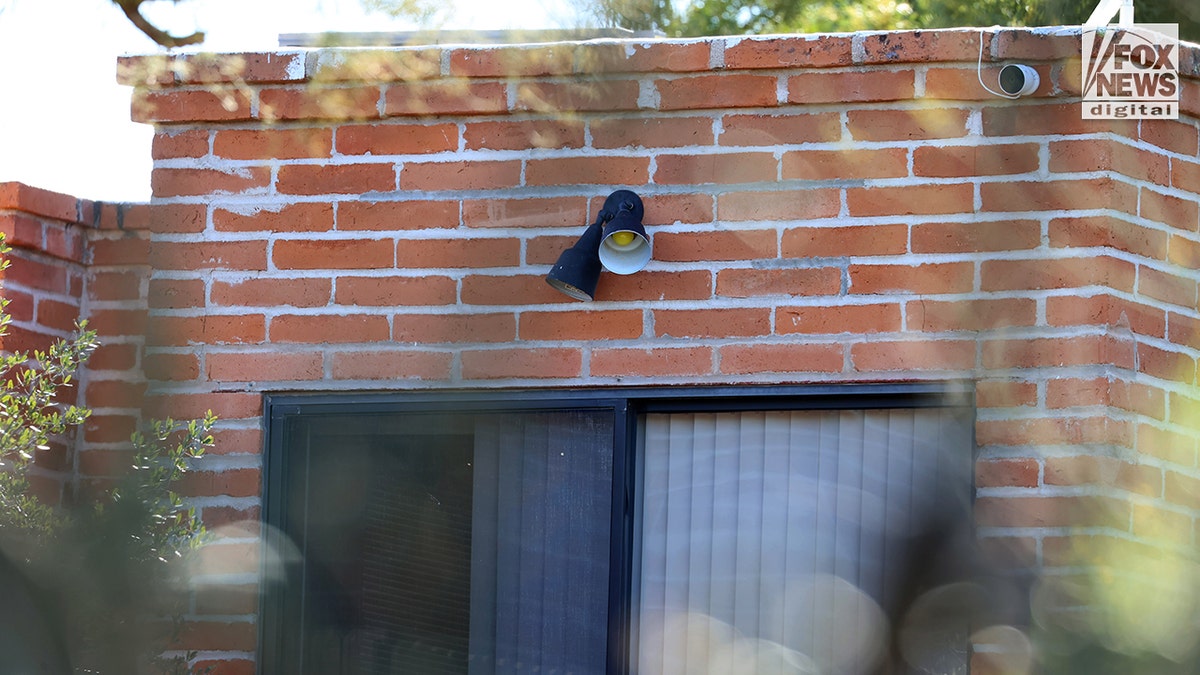
Close-up view of a floodlight and security camera at the home of Nancy Guthrie in Tucson, Arizona, Wednesday, February 4, 2026. Nancy Guthrie has been missing since last being seen on Saturday night. (Kat Ramirez for Fox News Digital)
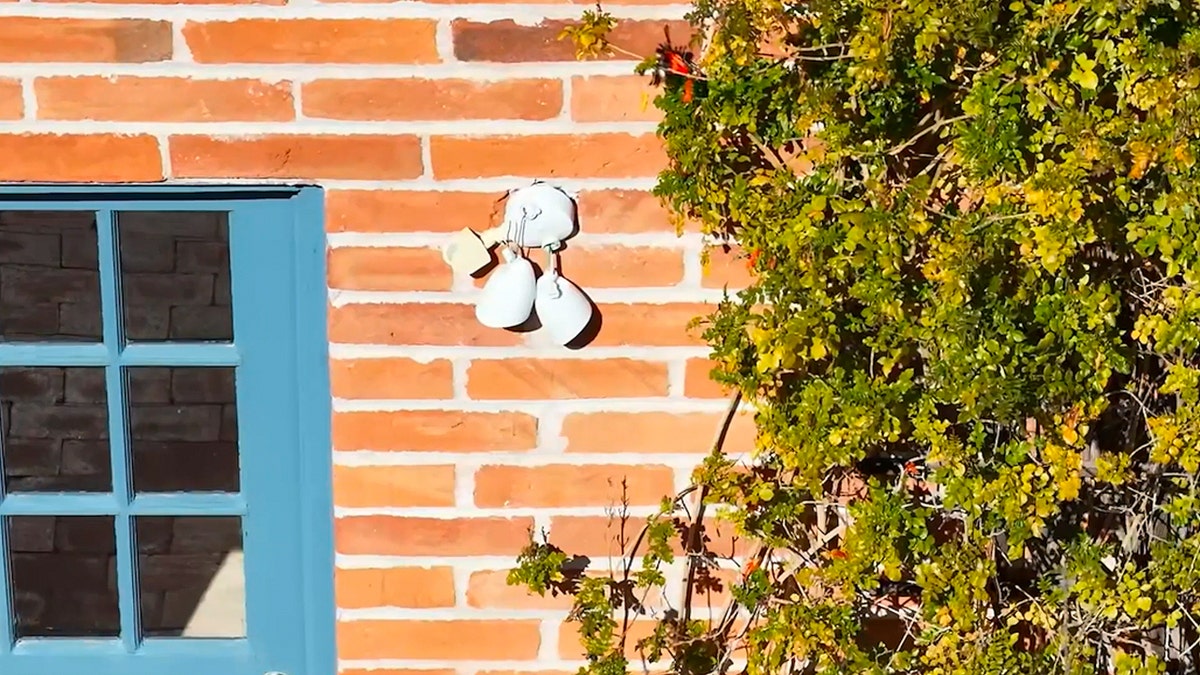
A broken floodlight at Nancy Guthrie’s home in Tucson, Ariz. on Friday, February 6, 2026. Guthrie was last seen on Saturday night as an investigation into her disappearance continues. (Fox Flight Team)
While seniors may flock to popular retirement destinations and affluent neighborhoods, Sapraicone warns the environment could be a potential hotbed for robberies and home burglaries.
Sapraicone specifically points to gated communities serving as an unlikely catalyst for crimes against seniors, noting the culture of part-time residents and revolving security personnel creates lapses in safety.
“When you go into these gated communities, the residents don’t know each other as much, they’re more spread out or they’re part-time communities,” Sapraicone said. “Some people are snowbirds, so they don’t really know each other as well, and they don’t pay as much attention.”
Sapraicone added the false sense of security cultivated inside gated communities could lead residents to let their guards down.
“They feel that they don’t have to lock their doors, they don’t have to worry about things or that nobody’s going to bother them – but it’s just the opposite,” Sapraicone told Fox News Digital.
The false sense of security provides criminals with an easy target within gated neighborhoods, according to Sapraicone.

A sign of solidarity from neighbors at Nancy Guthrie’s home Thursday, Feb. 5, 2026, in Tucson, Ariz. (AP Photo/Caitlin O’Hara)
“Criminals do their homework just as much as we do in any type of business we own or whatever we do,” Sapraicone said.
The relaxed atmosphere and laid-back, routine lifestyle often seen in senior communities provides an optimal opening for criminals to learn the behaviors of their potential victims while remaining undetected.
“They very much will do surveillance on these types of neighborhoods,” Sapraicone said. “They’ll look to see patterns.”
Additionally, senior citizens are less likely to report crimes committed against them due to the perceived mental embarrassment of aging, according to Sapraicone.
“They may feel that they’re getting on in years, and they’re still at the top of their game, when they might not be at the top of their game,” Sapraicone said. “So embarrassment is a big deal.”
Sapraicone adds that criminals may look to exploit this behavior and choose the same victim for multiple crimes, knowing it will likely go unreported.
“The criminal may get away with a bunch of stuff on the same person because they’ve really scared them, but they’ve intimidated them to a point where they become more nervous and afraid to tell their family or go to the police,” Sapraicone said.
Sapraicone also warns against seniors becoming too familiar with individuals within their community or maintaining a trackable routine, pointing to the possibility of criminals using information learned about their victim to exploit them.
“Predictable routines, individuals living alone – that’s a big deal,” Sapraicone said. “If you see someone flashing a Rolex and every time they go out, they seem to be dressed to the nines – those are things that make people think.”
In light of Nancy Guthrie’s disappearance, Sapraicone suggests senior citizens – particularly those living alone – take extra caution to maintain a sense of safety in their own homes.
“If you’re neighbors, check on each other,” Sapraicone told Fox News Digital, adding, “You need to be diligent. Pay attention. Be aware of your surroundings.”
“Bad guys will always take an opportunity if it’s in front of them. Don’t give them the opportunity.”
Related Article