
Share this @internewscast.com
TUCSON, Ariz. — As the investigation into the disappearance of Nancy Guthrie stretches into its third week, both the authorities and the public are eagerly anticipating DNA results from a glove found near the site of her disappearance. This development could be crucial in cracking the case.
However, retired FBI agent Jason Pack warns that even significant forensic breakthroughs, like DNA evidence, are not always the definitive answers people hope for.
“Having been in the trenches, waiting for lab results myself, I can say that DNA is an incredibly powerful tool in our investigative arsenal,” Pack explained to Fox News Digital. “However, it is often misunderstood by the public in terms of what it can definitively prove.”
Pack elaborated that when detectives await DNA test outcomes from such critical pieces of evidence, they are essentially preparing for three possible scenarios.

On Thursday, February 12, 2026, a tent was erected over the entrance of Nancy Guthrie’s Tucson, Arizona home, underscoring the ongoing intensity of the investigation into her mysterious disappearance. (Image credit: Kat Ramirez for Fox News Digital)
Should the DNA results identify a match with a known individual, Pack remarked that this would undoubtedly be a “significant investigative development.” However, he urged caution, advising against making immediate assumptions based solely on this information.
“A match doesn’t automatically equal guilt,” he said. “It tells you that person’s biological material came into contact with that item at some point. You still need to build the narrative around it. When? How? Is there an innocent explanation?”
He noted that any competent defense attorney would immediately scrutinize the chain of custody, potential contamination and the possibility of secondary transfer.
“So a match accelerates your investigation,” Pack explained. “It doesn’t close it.”
A mismatch, meaning the DNA belongs to someone not currently on investigators’ radar, can be just as meaningful, he explained.
“Now you’ve potentially identified an unknown subject. You’re running it through CODIS, you’re looking at familial DNA possibilities, you’re expanding your universe of suspects,” Pack said.
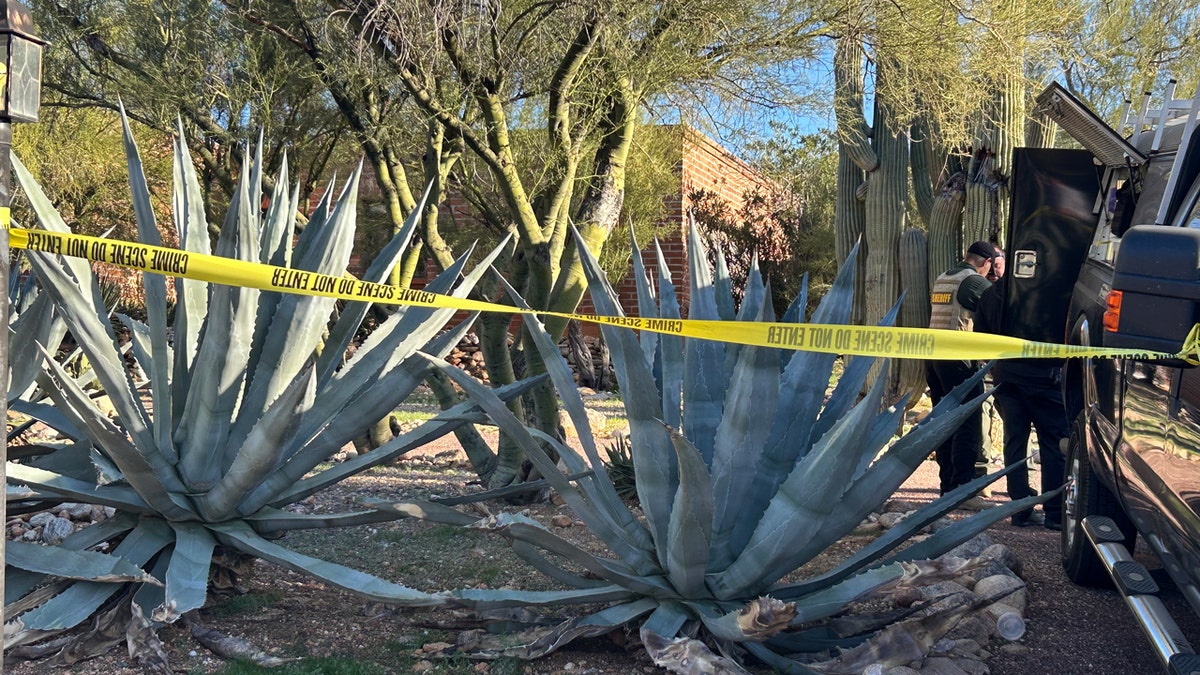
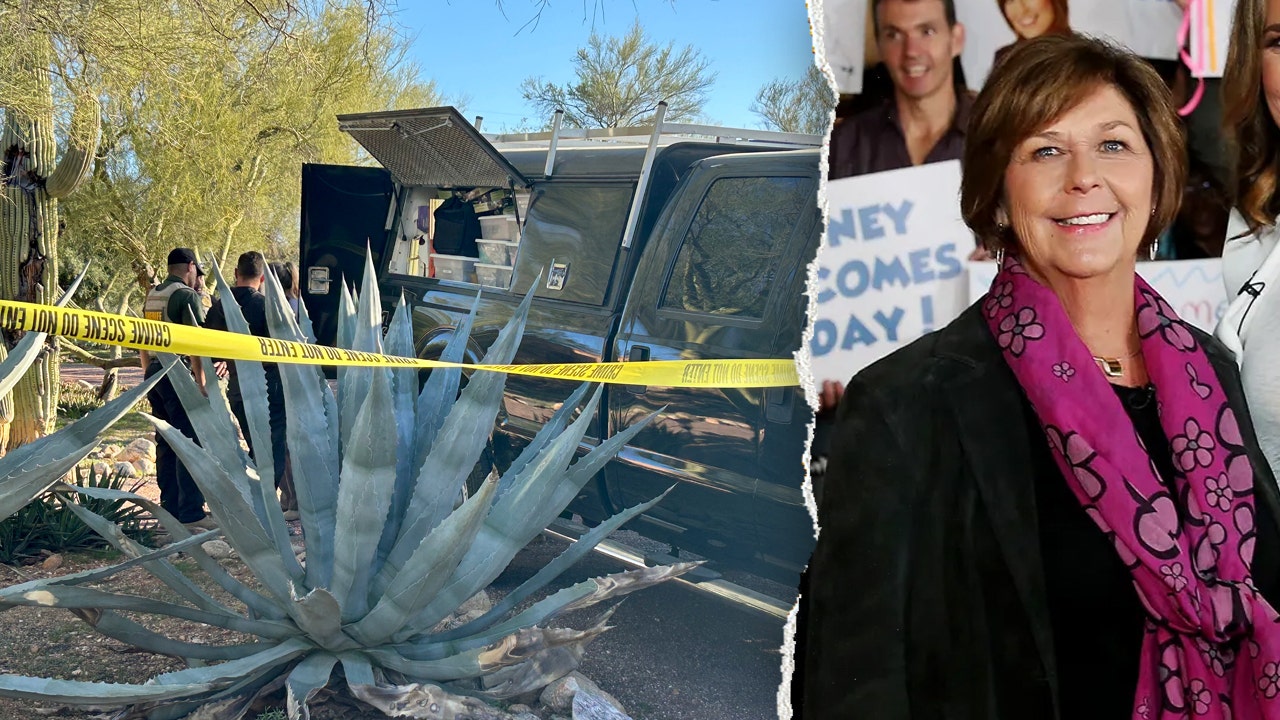
Police tape went up around Nancy Guthrie’s home in Arizona on Wednesday, Feb. 4. Officials say they are treating the home as a crime scene. (Fox News Channel)
Importantly, he noted, that development wouldn’t necessarily dismantle an existing investigative theory.
“It doesn’t mean your current theory is wrong. It means you have a new thread to pull.”
The third possibility — inconclusive or degraded results — is often the most misunderstood outcome, Pack said.
Environmental exposure, mixture profiles, the material of the glove itself and low-copy-number DNA can all complicate testing, he added.
“An inconclusive finding doesn’t exonerate anyone, and it doesn’t implicate anyone,” Pack said. “It simply means that particular piece of evidence can’t speak as loudly as you’d hoped.”
Pack cautioned against allowing a single piece of evidence to dominate public expectations.
“I’ve worked investigations where one piece of evidence became the public’s obsession, and it created enormous pressure that didn’t serve the case,” he said.
While a glove recovered at or near a scene is significant, he noted such items can be transient.
“Gloves get dropped, discarded, blown around,” Pack said. “The questions of when it was deposited and whether it’s actually connected to the crime are just as important as whose DNA is on it.”
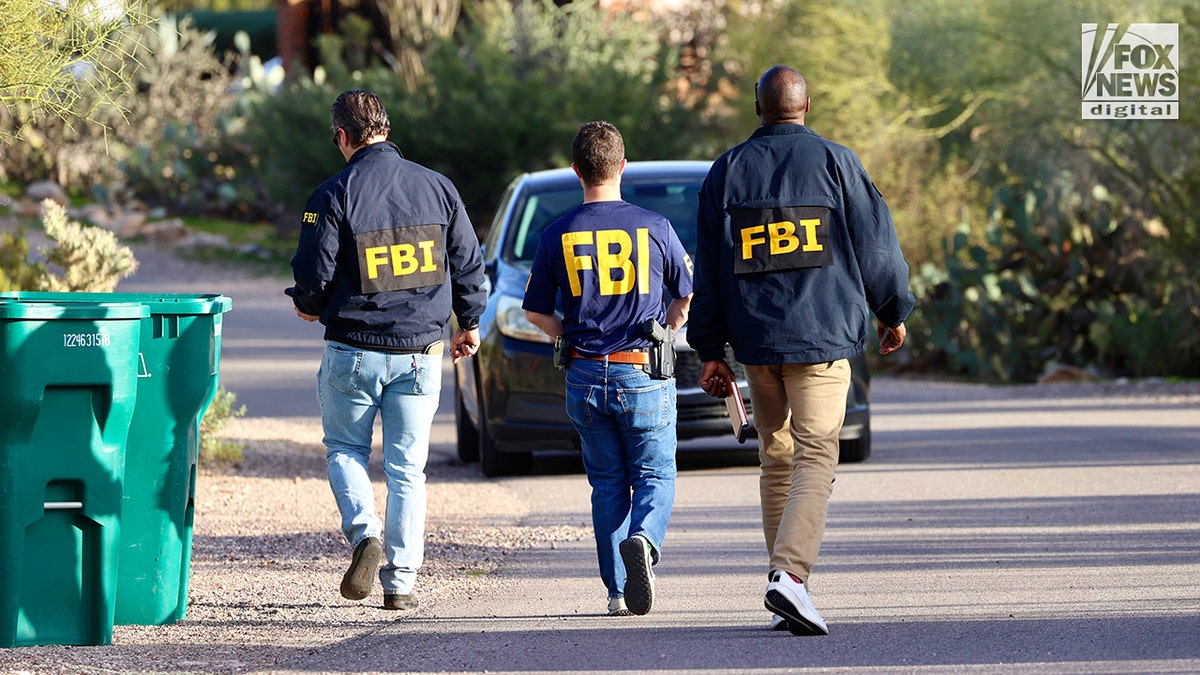
FBI agents canvass homes near Nancy Guthrie’s home in Tucson, Friday, Feb. 6, 2026. Guthrie was last seen on Saturday night as an investigation into her disappearance continues. (Kat Ramirez for Fox News Digital)
Seasoned investigators, he added, never rely on one forensic result alone.
“DNA is one lane on a multi-lane highway,” Pack said, pointing to digital forensics, cell tower data, witness canvasses, financial records, surveillance footage and behavioral analysis as parallel investigative tracks.
“The best cases are built on convergence — when multiple independent lines of evidence point in the same direction,” he said. “You never want to be in a position where your entire case rises or falls on a single lab result.”
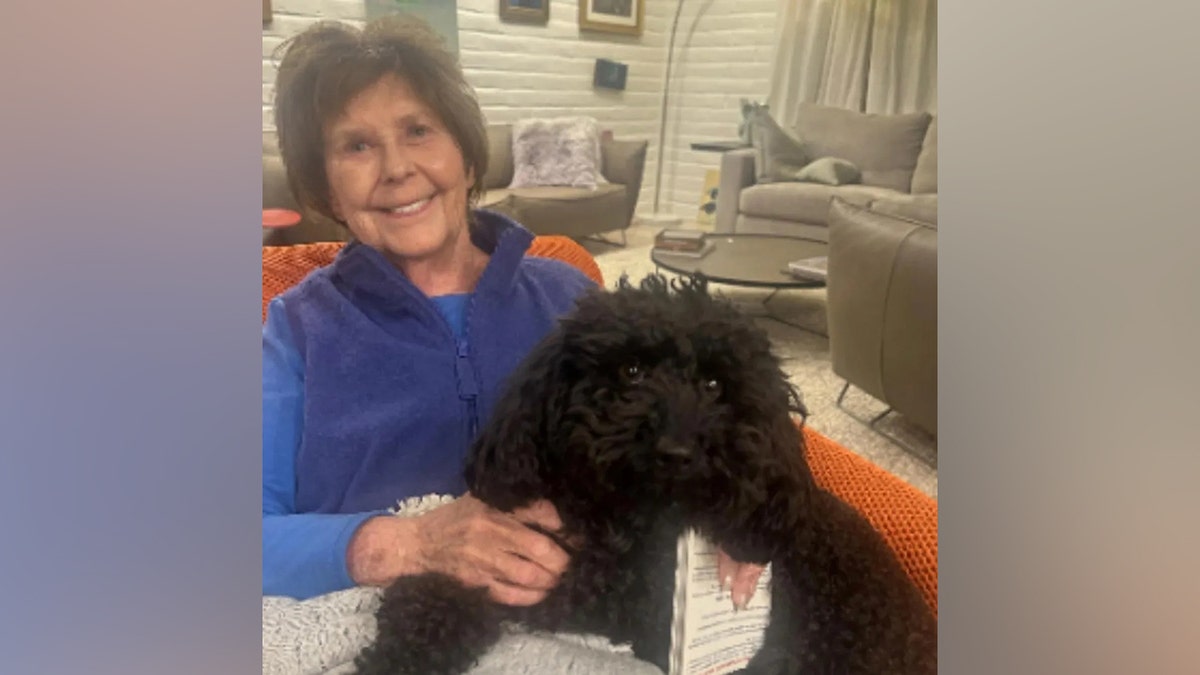
An undated photo of Nancy Guthrie was provided by NBC in response to the disappearance of the 84-year-old mother of “Today” show host, Savannah Guthrie. (Courtesy of NBC)
As anticipation builds around the pending DNA findings, Pack offered a final note of restraint.
“While these DNA results may be the most anticipated development, they shouldn’t be viewed as the most determinative one, regardless of what they show.”
Nancy Guthrie disappearance timeline:
January 31, 2026
Between 9:30–9:45 p.m. — Family drops Nancy off at home
9:50 p.m. — Garage door closes (per authorities)
February 1, 2026
1:47 a.m. — Doorbell camera disconnects
2:12 a.m. — Security camera detects motion
2:28 a.m. — Pacemaker disconnects from phone application
11:56 a.m. — Family checks on Nancy after she misses weekly church livestream gathering
12:03 p.m. — 911 called
12:15 p.m. — Sheriff’s deputies arrive at home
Stepheny Price covers crime, including missing persons, homicides and migrant crime. Send story tips to stepheny.price@fox.com.