
Share this @internewscast.com
The recent military actions by the U.S. and Israel against Iran have sent shockwaves through global markets. On Monday, U.S. futures experienced a drop exceeding 1%, while oil prices surged significantly. However, these market tremors were somewhat cushioned in Asia by gains in defense and oil sectors.
Futures for the S&P 500 and the Dow Jones Industrial Average saw a notable decrease, each falling by 1.7%.
Oil markets reacted with U.S. benchmark crude oil prices jumping 9%, reaching $73 per barrel. Similarly, Brent crude saw an almost 10% increase, nearing $80 per barrel.
European markets mirrored this downward trend as they opened. Germany’s DAX fell 2.2% to 24,737.47, while the CAC 40 in Paris declined by 1.9% to 8,413.91. The UK’s FTSE 100 also experienced a dip, sliding 1% to 10,800.63.
In Asia, most stock markets saw declines; however, Shanghai’s market bucked the trend. The rise in oil prices benefitted certain oil companies, such as CNOOC, China Petroleum & Chemical, and PetroChina, which hit the 10% growth ceiling.
The Shanghai Composite index gained 0.5%, reaching 4,182.59. Conversely, Hong Kong’s Hang Seng index fell by 2.1% to 26,059.85.
Japan’s Nikkei 225 index initially fell more than 2%. It closed 1.4% lower at 58,057.24. Offsetting other losses, shares in defense-related stocks including Mitsubishi Heavy Industries and IHI Corp. advanced.
Australia’s S&P/ASX 200 ended flat, at 9,200.90.
In India, which could face disruptions to its access to oil due to the hostilities, the Sensex fell 2.1%.
Taiwan’s benchmark lost 0.9% and Singapore’s dropped 2.3%. In Bangkok, a major tourism destination for the Middle East, the SET fell 3.1%.
Markets were closed in South Korea for a holiday.
The price of gold, which usually is viewed as a safe haven for investment in times of uncertainty, rose 3.4% to about $5,426 per ounce.
The U.S. dollar also gained, rising to 157.20 Japanese yen from 156.27 yen late Friday. The euro slipped to $1.1708 from $1.1762.
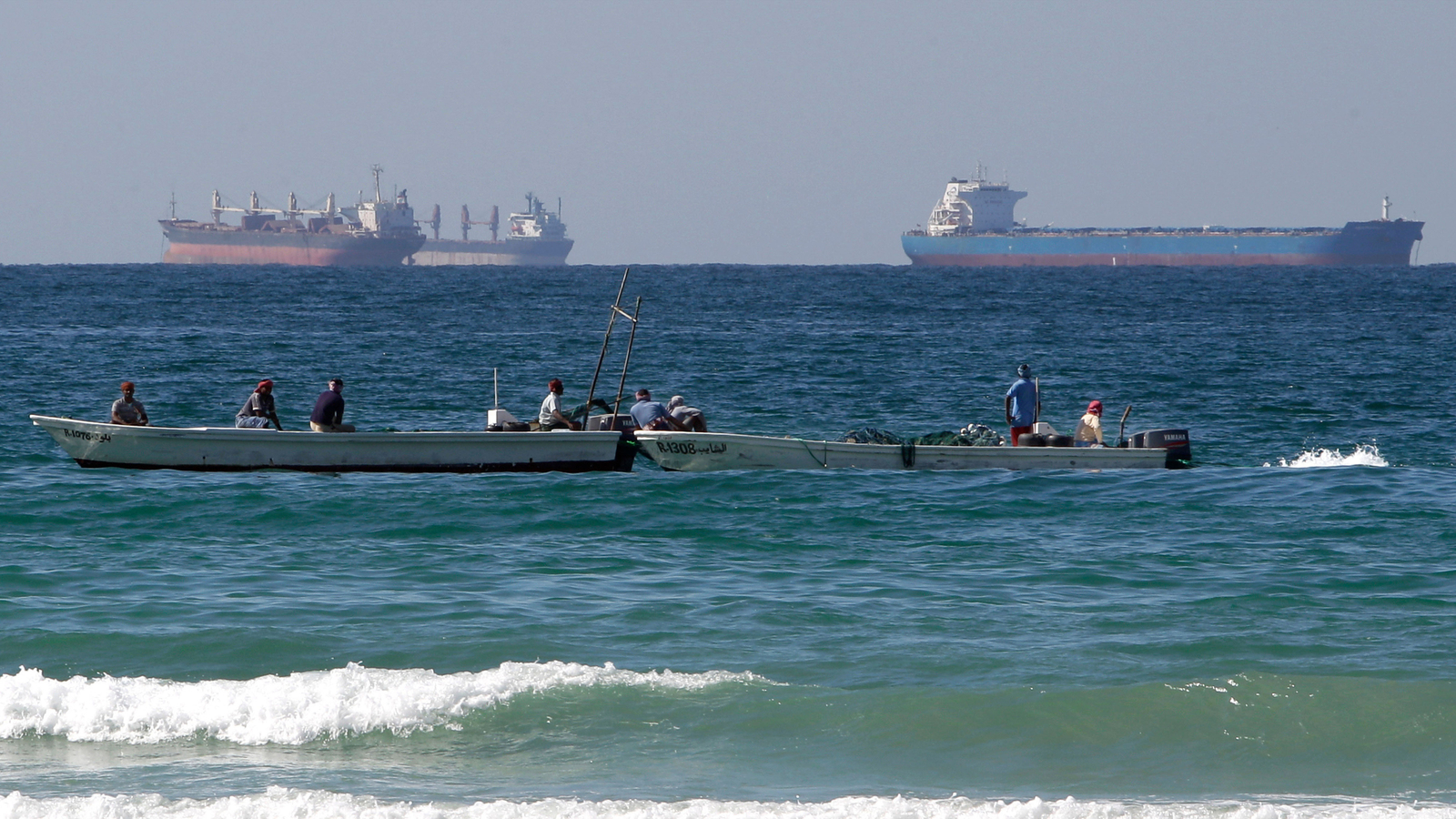
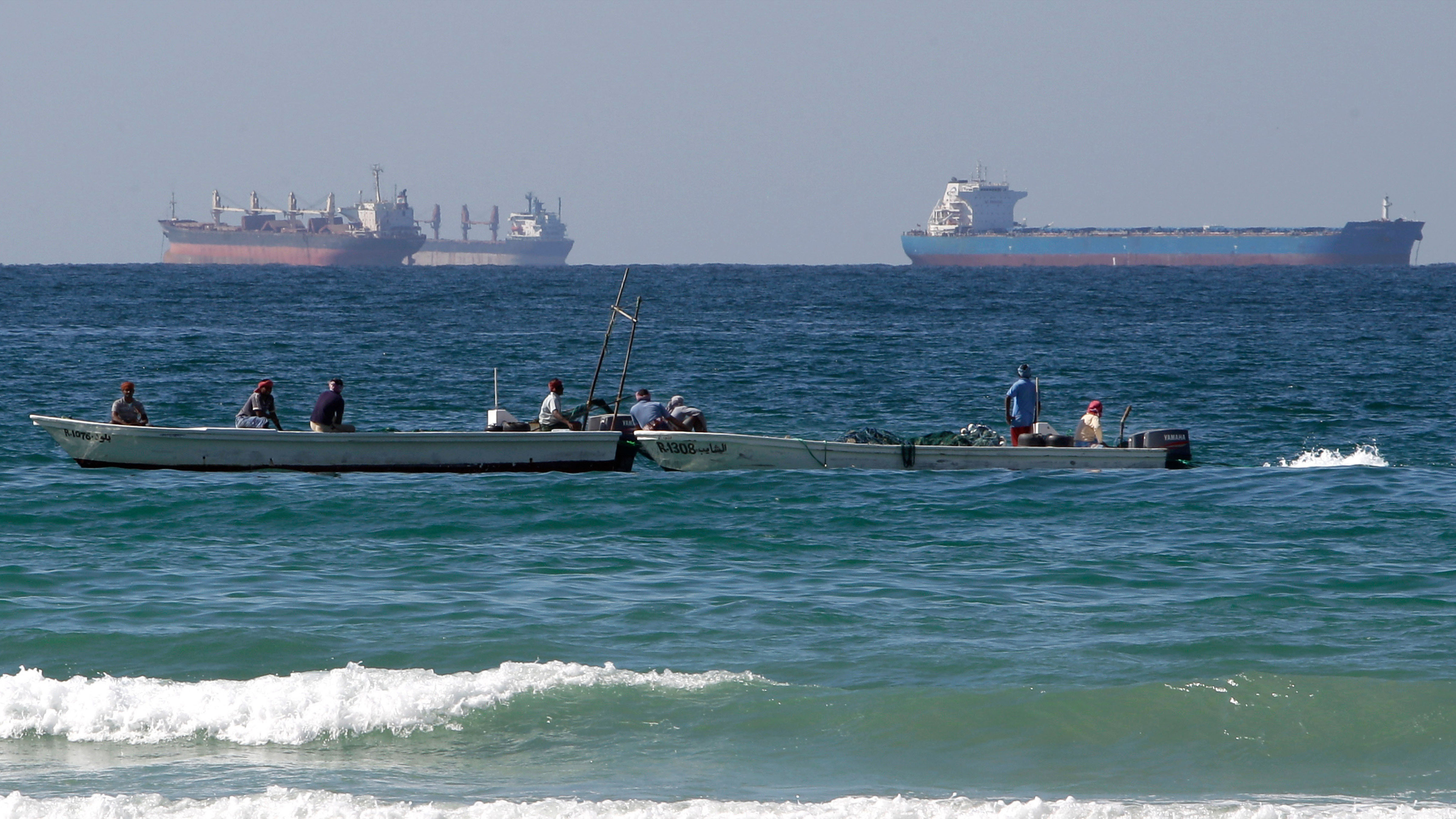
Traders are betting the war will disrupt oil supplies from Iran and elsewhere in the Middle East. Attacks throughout the region, including on two vessels traveling through the Strait of Hormuz, the narrow mouth of the Persian Gulf, have constrained oil exports to the rest of the world.
“Roughly one-fifth of global oil and LNG (liquefied natural gas) flows squeeze through the Strait of Hormuz. This is not an obscure canal. It is the aorta of the global energy system,” Stephen Innes of SPI Asset Management said in a commentary.
A prolonged war would likely result in higher prices for other fuels and gasoline and could cascade throughout the global economy, adding to production costs overall.
Prolonged interruptions to oil flows through the Middle East would have “huge implications for oil and LNG and every market everywhere if it occurs. Energy is an input to ALL production,” RaboResearch Global Economics & Markets said in a report.
Iran exports roughly 1.6 million barrels of oil a day, mostly to China. It may need to look elsewhere for supply if Iran’s exports are disrupted, another factor that could increase energy prices.
The size of China’s strategic oil reserves is a state secret. But a recent report by John Kemp of Base Research estimated them at 1.1 billion to 1.2 billion barrels — equivalent to around 100 days or just over three months of imports.
The war’s impact on markets was muted somewhat because the attacks were anticipated, with a massive buildup of U.S. forces in the Middle East. So traders had adjusted their positions to take that risk into account.
The conflict has shifted attention, for now, away from issues surrounding artificial intelligence that have dominated markets in recent months.
On Friday, the S&P 500 fell 0.4% to finish just its second losing month in the last 10. The Dow industrials dropped 1.1%, and the Nasdaq composite fell 0.9%.
Treasury yields fell in the bond market as investors sought safer places for their money.
“When markets are fragile, they do not need a knockout blow. They just need another weight on the bar,” Innes said.
Also hurting the broad market was a report Friday showing that inflation at the U.S. wholesale level was at 2.9% last month, much higher than the 1.6% that economists expected.
That could pressure the Federal Reserve to hold off longer on its cuts to interest rates. Lower rates would give the economy and prices for investments a boost, but they risk worsening inflation.
Copyright © 2026 by The Associated Press. All Rights Reserved.