
Share this @internewscast.com

In New York City, a significant portion of the population, about 25%, finds it challenging to keep up with their electricity bills. Con Edison disconnected power for 88,000 homes within the first six months of 2025. Under the privatized system, electricity costs are expected to climb even higher, surpassing the 13% increase seen last year. Despite paying more, residents face the looming threat of more frequent blackouts. Meanwhile, fossil fuel magnates and utility companies continue to amass wealth.
The citizens of New York City believe this scenario is avoidable. In November, over one million voters supported Zohran Mamdani, advocating for a more affordable city. A critical part of this vision involves addressing the escalating utility costs burdening working-class families. As members of the Democratic Socialists of America, we’ve long collaborated with our new mayor to reduce utility expenses and tackle climate change. Our most potent strategy for overhauling the flawed energy framework is public power.
However, Governor Hochul’s support is crucial. Although she hasn’t backed it yet, there is still an opportunity for her to do so.
In a landmark move in 2023, New York State enacted the boldest Green New Deal legislation nationwide—the Build Public Renewables Act (BPRA). This act empowers the New York Power Authority to develop renewable energy resources owned by the public, bypassing corporate interests. NYPA and BPRA point towards a future with a publicly owned energy system that offers reduced bills, less pollution, meaningful union jobs, and liberation from the exploitative practices of current energy providers.
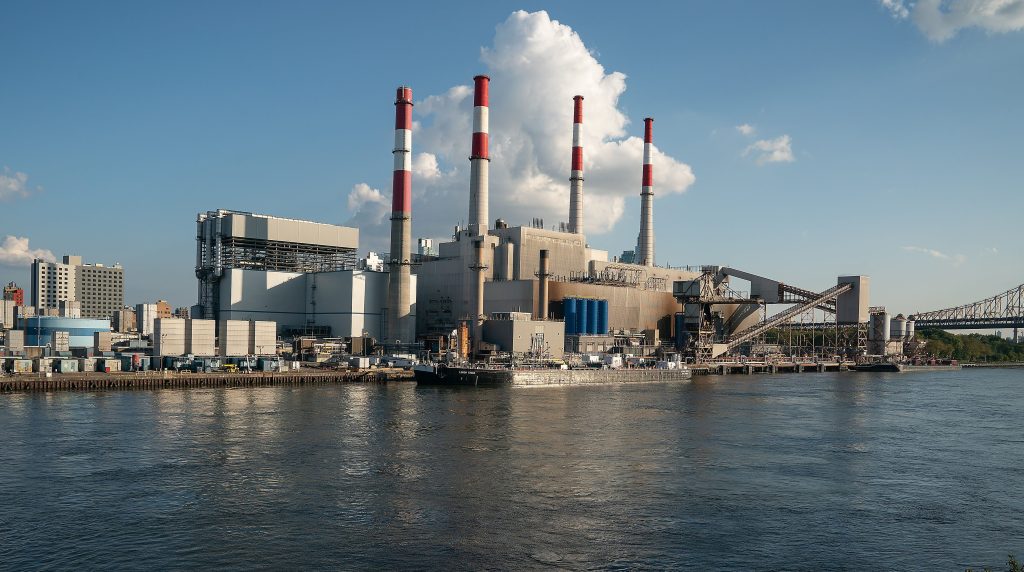
Hence, New Yorkers are urging the governor to allocate $200 million towards public renewable energy in the 2026 state budget, ensuring at least 30% of these funds benefit downstate projects. New York City remains heavily reliant on costly, polluting fossil fuels, leading to significant carbon emissions. Investing in public renewable solutions like solar panels, battery storage, and geothermal technology promises not only cost savings but also the elimination of pollution sources that exacerbate asthma rates in communities such as Astoria and Long Island City, while simultaneously creating thousands of union jobs.
In contrast to embracing public power as a shield against exploitative fossil fuel companies, Governor Hochul has reinforced her support for traditional energy sources. Last year, she endorsed the controversial fracked-gas Williams NESE pipeline, despite its previous rejection by New Yorkers on three occasions. This decision marked a triumph for fossil fuel and utility lobbyists, who have invested heavily in influencing the governor. Notably, her husband’s law firm counts the Williams NESE pipeline as a client.
In this all-too-familiar cycle of fossil fuel giants and their collaborators lining their pockets, the working class pays: the Williams NESE pipeline will raise bills for National Grid customers by nearly $100 a year.
Public power is the answer to this fossil-fuel graft. NYPA can build all the renewable energy New York needs. Today that means at least 15 gigawatts of renewable generation — enough to power roughly 13 million homes — so New York can finally swear off fossil fuels and keep our energy affordable. And if Hochul keeps courting tech oligarchs to build their energy-sucking, power bill-raising data centers here, we’re going to need even more public power.
Right now NYPA has only planned to build 5.5 GW of renewables, less than half of what we need. That’s why the next state budget must keep investing in our best solution. A $200 million commitment means another step toward shutting down toxic peaker plants in low-income neighborhoods, greening our schools, lowering prices for New Yorkers, and creating good union jobs.
We don’t need pipelines or pipedreams to create the future we deserve. Public power is the proven solution. The alternative is higher bills and more blackouts, as soon as this summer. It’s time for Hochul to get real on affordability, because we can’t afford to wait.
Moreno is the Democratic Party candidate for the Feb. 3 special election to fill the vacancy in the Astoria Assembly seat held by Zohran Mamdani until he became mayor. Valdez is an assemblywoman representing Long Island City, Sunnyside, Woodside, Maspeth, and Ridgewood and a candidate in the Democratic primary for an open congressional seat.