
Share this @internewscast.com
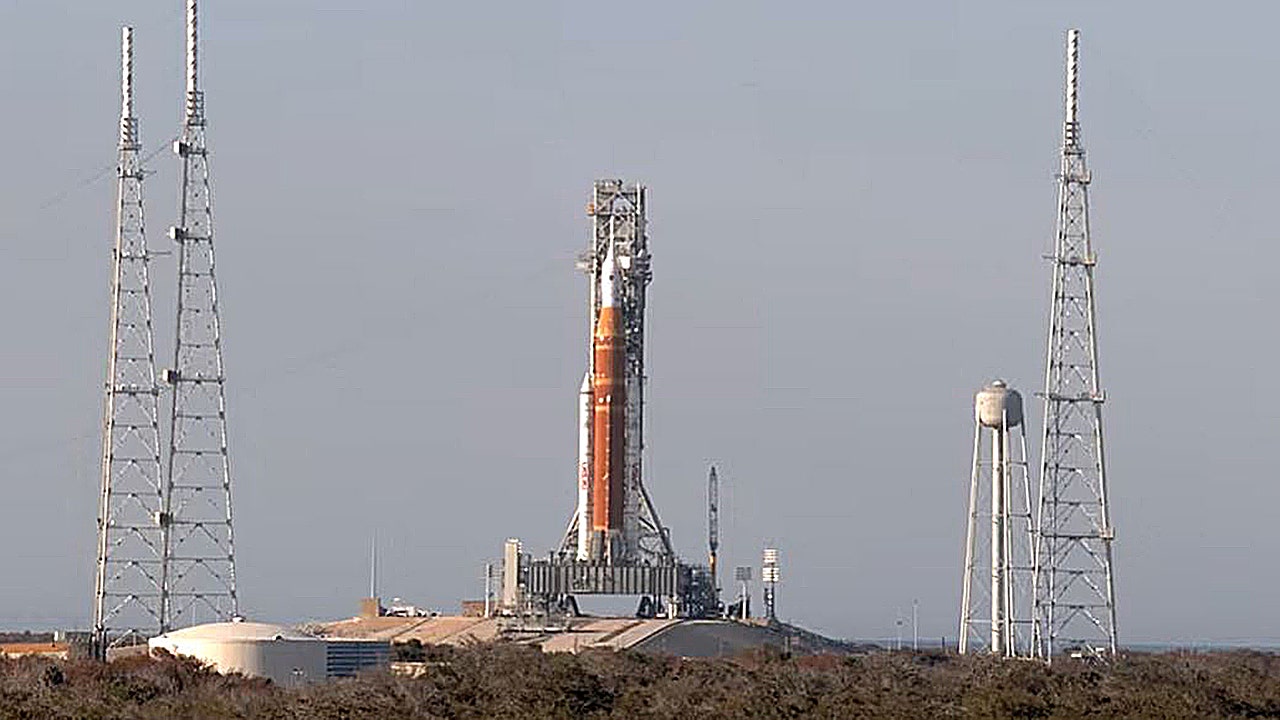
NASA has announced that the launch of the Artemis II mission, set to orbit the moon, is likely to face further delays due to a helium flow issue identified late Friday night.
On Saturday, the agency revealed that the Space Launch System rocket and the Orion spacecraft might need to be transported back to the Vehicle Assembly Building at the Kennedy Space Center in Florida. This decision comes after an unexpected disruption in helium flow was detected during the interim cryogenic propulsion stage of the rocket.
Helium plays a crucial role in maintaining essential environmental conditions for the engine of this stage and pressurizing the tanks containing liquid hydrogen and liquid oxygen, explained NASA.
Although helium systems performed flawlessly during earlier “wet dress rehearsals” for the Artemis mission, NASA reported that teams encountered difficulties in achieving the proper helium flow during standard operations following the rehearsals on February 19.
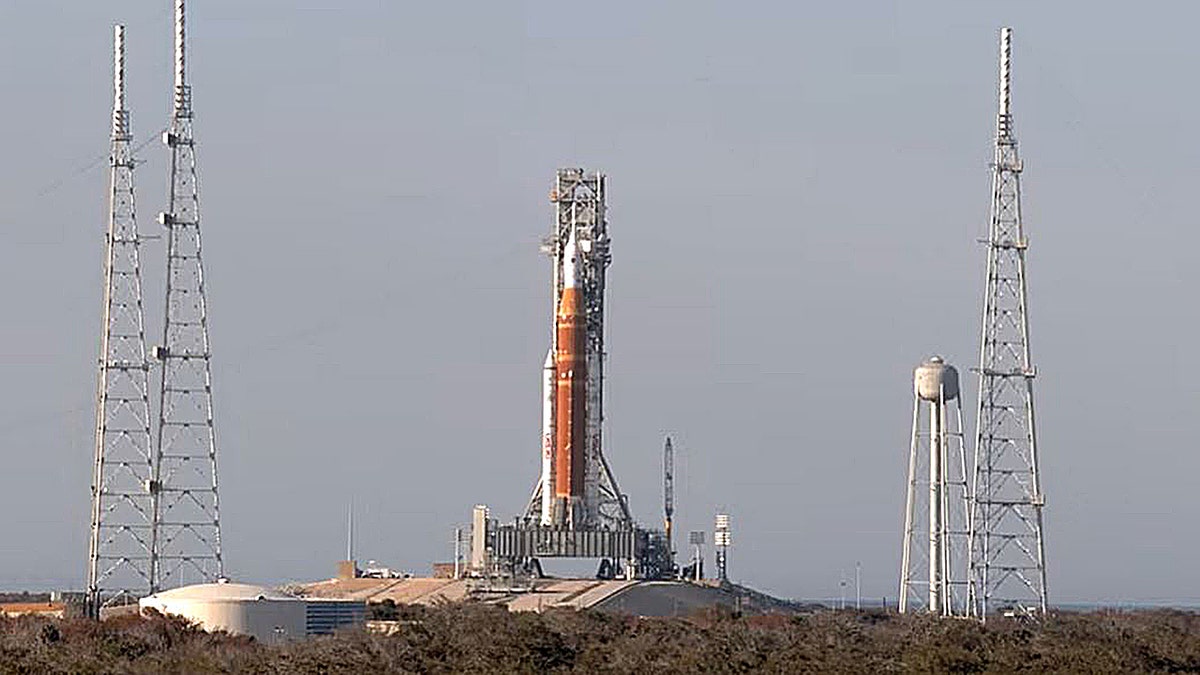
NASA is utilizing an alternative method to ensure the upper stage engines and the rocket remain in a safe and stable state, the agency confirmed. Despite the setback, the Artemis II mission aims to pave the way for future lunar exploration.
“Operators are using a backup method to maintain the environmental conditions for the upper stage engines and the rocket, which remains in a safe configuration,” the agency added.
NASA said Friday it had targeted March 6 to launch Artemis. Now the moonshot may not occur until April, officials said.
“A rollback would mean NASA will not launch Artemis II in the March launch window,” the agency said Saturday. “However, the quick preparations enable NASA to potentially preserve the April launch window if a rollback is required, pending the outcome of data findings, repair efforts, and how the schedule comes to fruition in the coming days and weeks.”
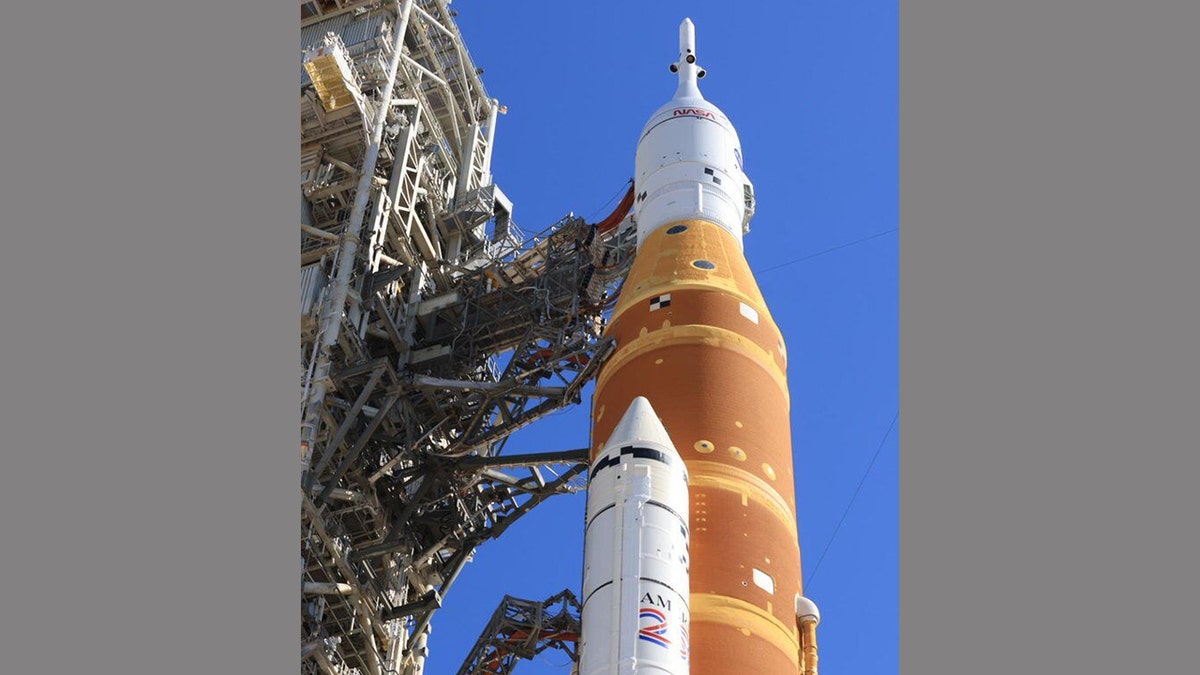
NASA said Friday it had targeted March 6 to launch Artemis. (NASA)
Artemis II is expected to take four astronauts — Americans Reid Wiseman, Victor Glover and Christina Koch and Canadian Jeremy Hansen — around the moon and back in what would be the farthest human spaceflight ever.
It will also be the first moon mission since the Apollo program ended in 1972.
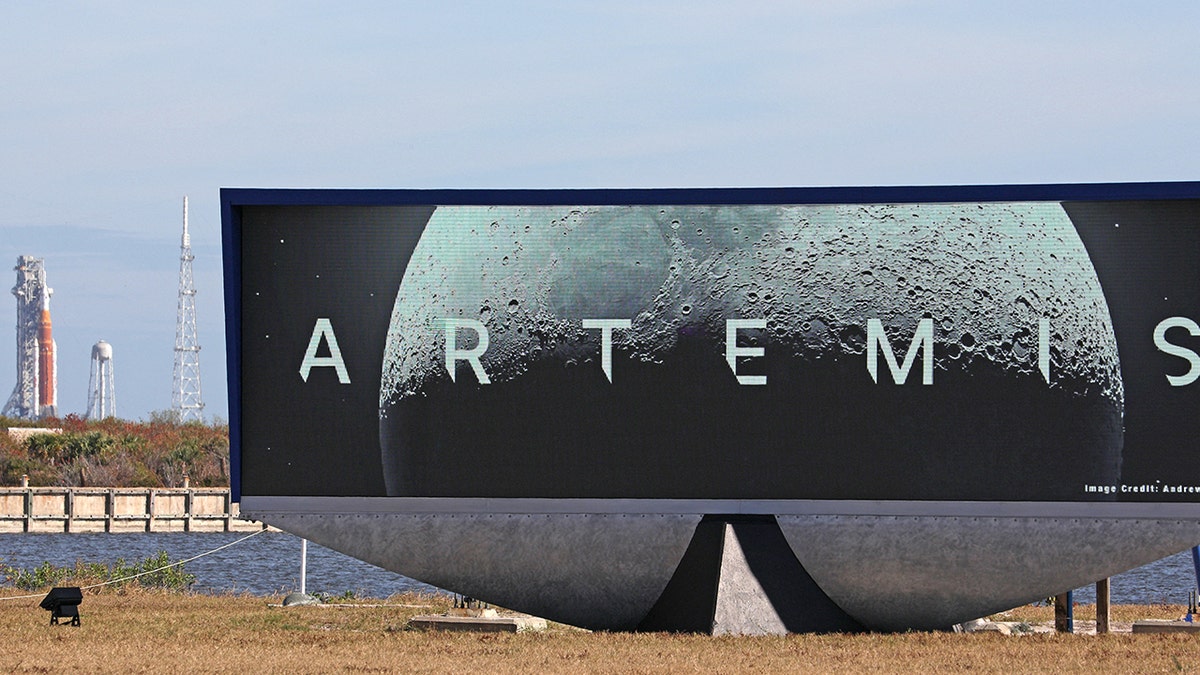
NASA said Saturday it now hopes for an April launch. (Gregg Newton / AFP via Getty Images)
The mission was most recently delayed last month after fuel leaks were discovered during a test run.
Artemis I launched an unmanned rocket and spacecraft successfully around the moon in 2022.