
Share this @internewscast.com
A U.S. Navy torpedo worth millions exploded beneath an Iranian warship during a nighttime submarine operation off the southern coast of Sri Lanka. This unprecedented attack, as announced by War Secretary Pete Hegseth in a Pentagon briefing on Wednesday, marks the first of its kind since the end of World War II.
The torpedo, identified as a Mark 48 Advanced Capability (ADCAP), highlighted the formidable force deployed against Tehran, signaling that “the gloves really are off,” according to a former U.S. submarine commander.
Thomas Shugart, an adjunct senior fellow at the Center for a New American Security, described the Mark 48 as “one of the most lethal anti-ship weapons in the U.S. arsenal” in a statement to Fox News Digital.
Equipped with a 650-pound warhead, the torpedo is engineered to detonate beneath a vessel rather than striking it directly. This creates a massive vapor bubble that effectively breaks the ship’s back, splitting it in two, explained Shugart.
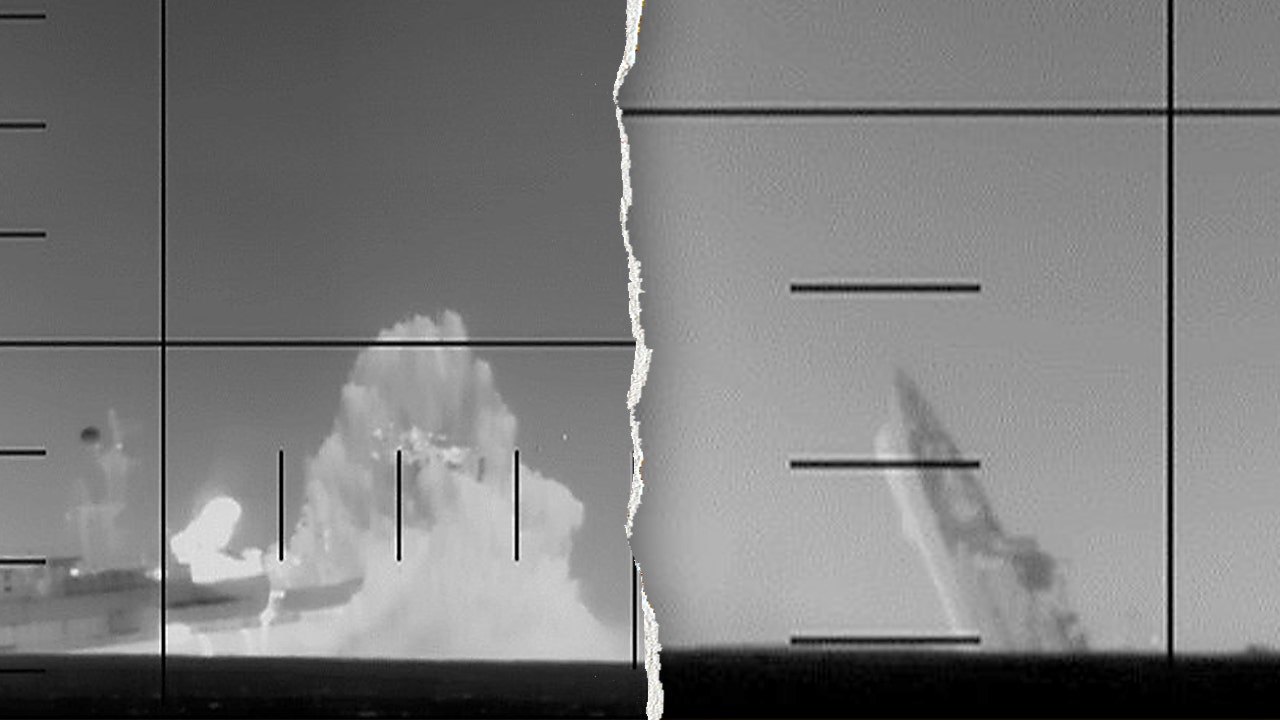
In international waters in the Indian Ocean, a U.S. submarine successfully sank an Iranian warship, as confirmed by War Secretary Pete Hegseth on Wednesday.
“The torpedo exploded under the stern of the Iranian ship, lifting it out of the water, causing it to sink within minutes,” Shugart elaborated.
The torpedo costs approximately $4.2 million per unit, according to recent data, with Shugart likening the strike to rare submarine attacks in modern naval history.
In addition to World War II, he pointed to the 1982 Falklands War as one example of a submarine-launched torpedo sinking a major surface combatant.
“This was the second time ever that a nuclear-powered submarine has fired a torpedo and sunk a ship,” Shugart said.
“The only other time that happened was a British submarine called HMS Conqueror, which similarly sank an Argentine cruiser, the General Belgrano, during the Falklands War in 1982,” he added.

Pete Hegseth, President-elect Donald Trump’s choice to be Defense secretary, at the completion of his confirmation hearing before the Senate Armed Services Committee, at the Capitol in Washington, Tuesday, Jan. 14, 2025. (AP Photo/Ben Curtis) (AP Photo/Ben Curtis)
The naval submarine operation, he said, would have involved increased surveillance, forward naval deployments and targeted actions designed to demonstrate U.S. maritime dominance.
“It definitely seems to me like a message that the gloves really are off,” Shugart added.
“An American submarine sank an Iranian warship that thought it was safe in international waters,” Hegseth told reporters at the Wednesday briefing.
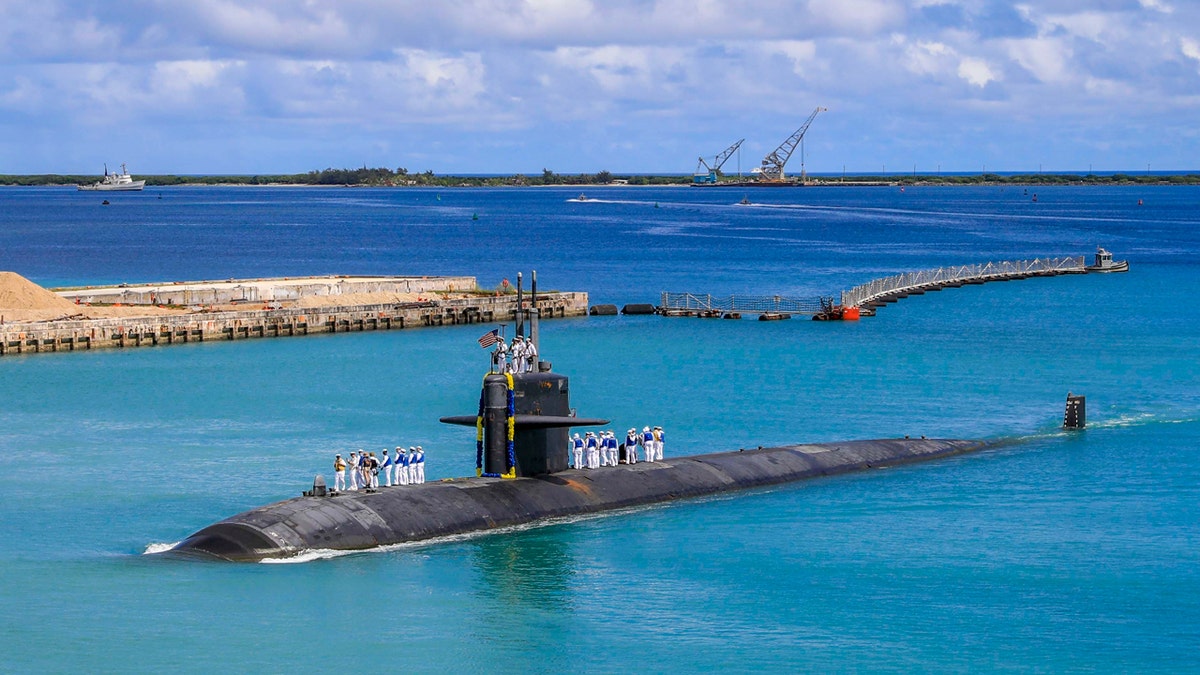
In this photo provided by U.S. Navy, the Los Angeles-class fast attack submarine USS Oklahoma City (SSN 723) returns to U.S. Naval Base in Guam, Aug. 19, 2021. (Mass Communication Specialist 3rd Class Naomi Johnson/U.S. Navy via AP)
Hesgeth described the strike as “a quiet death,” adding that it marked the first sinking of an enemy ship by torpedo since World War II.
“The U.S. Navy submarines are very highly mobile, very, very quiet, and our crews are extremely well-trained,” Shugart explained. “This was not a challenge for a U.S. Navy submarine to fire a torpedo.”
“To hunt down and sink an Iranian ship like that is not — that’s not a challenging task for a U.S. nuclear-powered submarine,” he said.
The targeted vessel, identified as the IRIS Dena, was the newest frigate in Iran’s naval fleet and was equipped with surface-to-air missiles, anti-ship missiles, torpedo launchers and other heavy weaponry.
According to Sri Lanka’s Foreign Affairs Minister Vijitha Herath, the country’s coast guard received a distress call at 5:08 a.m. local time Wednesday from the Iranian vessel reporting an explosion.
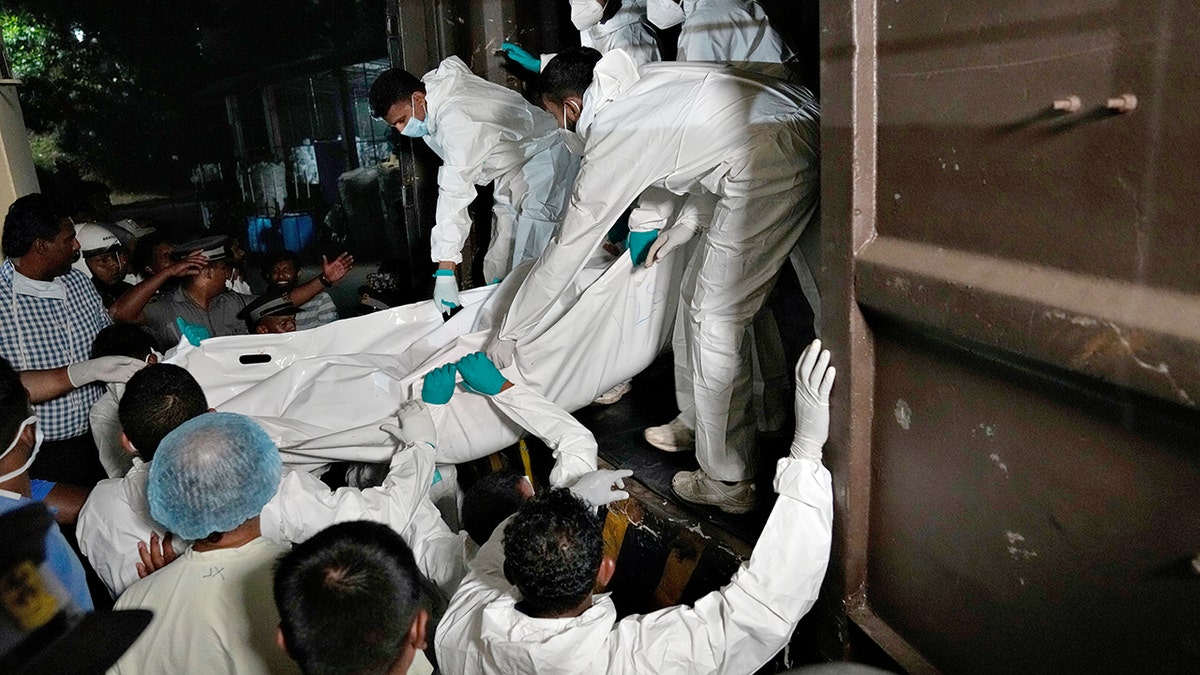
Healthcare workers unload the bodies of Iranian sailors from a vehicle who died when their IRIS Dena warship sank outside Sri Lanka’s territorial waters, in Galle, Sri Lanka, Wednesday, March 4, 2026. (AP Photo/Eranga Jayawardena)
“I’m not sure Iran has any operational submarines anymore, but if they were operational, their biggest submarines would be at least 20 or 30 years old,” Shugart said.
“They would be ex-Russian diesel-electric submarines, so they’re not nuclear-powered like the U.S. ones, with satellite communications and unlimited mobility.”
“The U.S. submarines can operate at high speed for as long as they want with unlimited endurance, other than the food on board. They carry the most advanced weapons, the most advanced sensors.”
“This strike sent a message that if there are any Iranian warships left or any Iranian government-owned ships, they should expect no mercy,” he added.
Related Article