
Share this @internewscast.com

If you’re a parent in New York City with a child born in 2022 or 2023, it’s been nearly impossible to avoid seeing Mayor Mamdani’s face over the past six weeks.
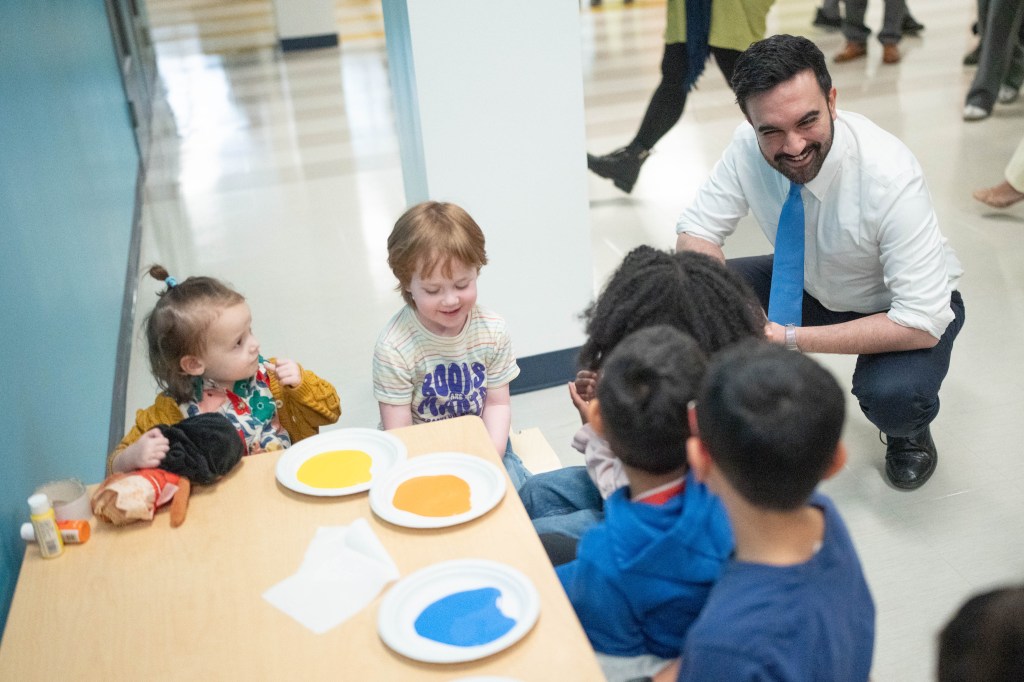
The mayor has been omnipresent, whether charming preschoolers at press events, building snowmen with kids in the aftermath of a blizzard, or teaming up with influencers. He even appeared in videos alongside Congresswoman Alexandria Ocasio-Cortez, speaking Spanish with enthusiasm, if not fluency. His image has been plastered on LinkNYC kiosks, ferries, and the backs of cars throughout the city.
As the February 27 deadline approached, parents were abuzz with reports of robo-calls from Mamdani himself, urging them to register for 3-K or pre-K before time ran out.
This marketing campaign, coupled with vigorous on-the-ground initiatives and community outreach, was more than just spectacle. It was a crucial element in the mayor’s mission to ensure universal child care, underscoring the importance of effective communication for politicians in 2026.
Reflect on 2025, when one in five pre-K and 3-K seats were left vacant, partly due to the lack of effort from the administration of then-Mayor Eric Adams.
Simultaneously, numerous students missed out on their preferred 3-K programs as the demand and supply had yet to fully align, given the program’s relative newness.
Fewer people enrolled in 3-K and pre-K means there’s less intel about where the city needs to stand up new programs. Meanwhile, child care centers close due to insufficient enrollment and the argument to keep or increase funding in future years gets even weaker, which means even fewer spots available. We get stuck in a doom loop.
I’m reflecting on this as I think back to after Mamdani won the primary last year. There was rampant, annoying debate within the Democratic Party about whether he only won because of his videos and communication style or his policy positions. (The answer is both).
What that debate missed is that in the fragmented attention economy of 2026, the skills he needed to win the election are the same skills he needed to be a successful mayor.
While politicians in the 1990s might have been able to put out a TV ad or do an interview on the local five o’clock news and call it a day, that’s barely the tip of the iceberg nowadays. A good politician today needs to be able to reach the person who hasn’t paid for cable in years, and or only listens to sports podcasts or consumes parenting content.
But it’s not just about reaching them: An effective communicator needs to be able to hook those voters in a way that’s entertaining but also disciplined.
It’s easier said than done, and admittedly, Mamdani is extraordinary at it. But he’s not alone.
Across the country, there’s a new generation of leaders who similarly can capture attention and turn it into action. From my purview at Run for Something, where we work with hundreds of Millennial and Gen Z candidates for state and local office each year, I’ve been thrilled to see leaders who share Mamdani’s aptitude for the internet begin to put their skills to good use for effective governance.
Check out Fla. Rep. Anna Eskamani, Calif. state Sen. Sasha Renee Perez, Atlanta City Councilmember Kelsea Bond, or N.J. Assemblymember Katie Brennan as just a few of the examples.
Undercut these politicians as “influencers” or “content creators” at your own peril. Good communication is necessary for good governance — and what that means in 2026 has changed rapidly. The leaders who can break through won’t just win elections; they’ll actually be better at the jobs they win because of it.
Litman is the co-founder & president of Run for Something.