
Share this @internewscast.com
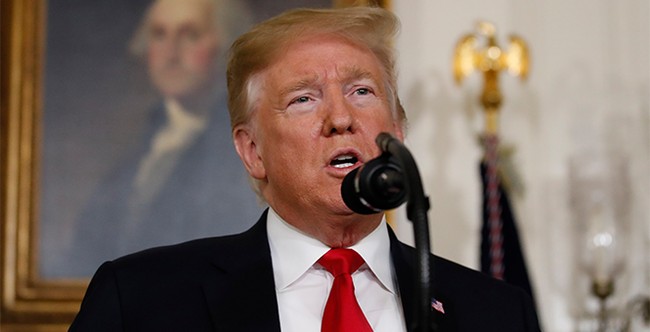
The State Department is set to implement a new measure requiring visa bonds of up to $15,000, aiming to close a significant loophole in the immigration enforcement system.
As outlined in a fact sheet released on Wednesday, this initiative will take effect on April 2 and will initially target 50 countries. It specifically applies to certain applicants for B1 and B2 visas, who must post a financial bond to enter the United States. This bond is refundable, provided the traveler adheres to the visa conditions or opts not to travel.
Visa overstays remain one of the most challenging enforcement issues in the immigration system, as they occur post-entry and are notoriously difficult to monitor and rectify.
The decision to expand the visa bond program comes on the heels of promising early results.
Approximately 1,000 individuals have participated in the program thus far, with nearly all of them adhering to visa regulations. Such a high compliance rate is uncommon in immigration enforcement, where tracking and resolving overstays have historically proven to be formidable challenges.
Previously, tens of thousands of visitors from these countries were known to overstay their visas, creating significant backlogs that overwhelmed enforcement agencies. This new measure seeks to address and mitigate such issues effectively.
That stands in contrast to prior years, when tens of thousands of visitors from these same countries overstayed their visas, creating a backlog that enforcement agencies have not been able to keep up with.
The latest expansion adds 12 countries, including Cambodia, Ethiopia, Georgia, Grenada, Lesotho, Mauritius, Mongolia, Mozambique, Nicaragua, Papua New Guinea, Seychelles, and Tunisia. Once implemented, the program will cover 50 nations in total, most of which have been identified as higher-risk for visa overstays.
Whistleblower Complaint Accuses CBP Commissioner Rodney Scott of Using Internal Affairs Against Rivals
Bond amounts vary. Depending on the applicant and the consular officer’s discretion, travelers may be required to post $5,000, $10,000, or up to $15,000 before a visa is issued. The requirement is calibrated to risk, not applied uniformly.
The shift is in timing. Instead of relying primarily on enforcement after someone has already entered the country, the bond requirement moves part of that pressure forward, attaching a financial consequence before travel even begins. It shifts enforcement from something that happens after entry to something required before it.
That change is not just procedural. It is financial.
“The Department of State is saving U.S. taxpayers up to $800 million per year that would otherwise be required to remove these aliens who overstay.”
In a system where enforcement is limited by manpower and backlog, reducing the need for detention and court processing does more than streamline operations. It changes the cost structure behind enforcement itself.
Removing someone who overstays a visa costs an average of more than $18,000, according to the department. When multiplied across tens of thousands of cases, the cost of noncompliance adds up quickly.
More than 44,000 visitors from countries now included in the program failed to leave in a recent year alone. That gap between entry and enforcement is what the policy is designed to close.
The program shifts how enforcement works. Instead of trying to locate individuals after they disappear into the system, it focuses on accountability before they arrive.
The State Department has indicated the list of countries may continue to grow, with future additions tied to overstay rates and broader immigration risk factors.
For now, the early results are doing most of the work. High compliance, lower projected costs, and a system that places responsibility on the applicant before arrival rather than on the government after the fact. The leverage now comes before entry, not after disappearance.
Editor’s Note: Thanks to President Trump, illegal immigration into our great country has virtually stopped. Despite the radical left’s lies, new legislation wasn’t needed to secure our border, just a new president.