
Share this @internewscast.com
A recent report has revealed that a vessel at the heart of a controversial “double-tap” incident, where the U.S. Navy allegedly executed a second strike on survivors after initially destroying the boat, was not actually en route to the United States. Instead, its destination was elsewhere.
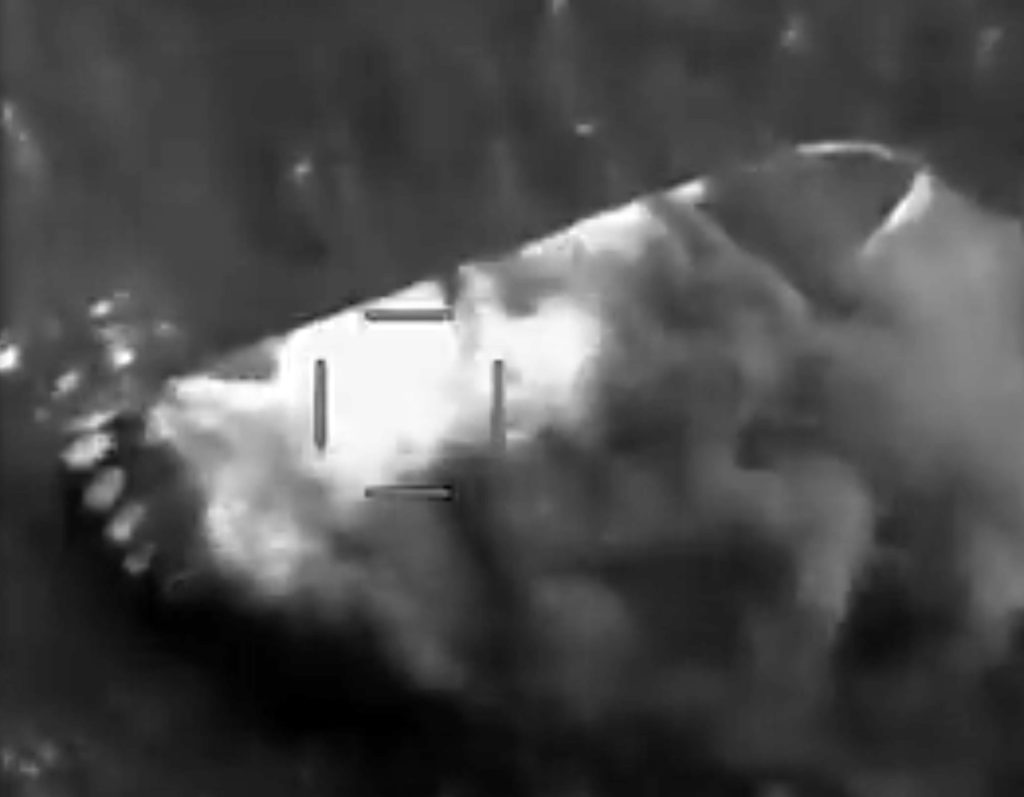
The vessel, suspected of smuggling drugs, was destroyed on September 2 in the Caribbean Sea, near Venezuela’s northern coast. The initial attack sank the boat, resulting in the deaths of nine individuals onboard. A subsequent strike, reportedly intended to eliminate remaining threats, increased the casualty count to eleven, according to sources.
U.S. officials have labeled the boat’s operators as “narco-terrorists,” asserting that they posed a significant threat by smuggling drugs into the country. However, findings by CNN suggest the crew’s intention was to offload their cargo onto a larger ship bound for Suriname in South America, rather than the United States.

Admiral Frank Bradley, who directed the operations, informed lawmakers that efforts to locate the larger vessel were unsuccessful. While there’s a possibility that this larger ship could have redirected drugs to the U.S., it’s noted that contraband from Suriname primarily heads towards Europe. In contrast, drug routes into the U.S. via sea typically navigate through the Pacific Ocean.
The legality of these strikes has been questioned, with critics scrutinizing the actions under the lens of international law. Some experts suggest the alleged “double-tap” could breach the law of armed conflict, which prohibits attacks on combatants who are incapacitated or have surrendered.
In a related incident, the family of a Colombian fisherman, who was killed in a separate strike on September 15, has accused the U.S. government of murder. They have filed a formal complaint, denying any drug-related activity on the part of the fisherman, stating he was merely performing his duties when his vessel was targeted.
President Trump and the Pentagon have defended their actions, claiming they’re battling narcoterrorism by killing drug smugglers who are contributing to the overdose scourge in the U.S. Strikes on at least 23 vessels have killed around 90 people since early September.