
Share this @internewscast.com
Over the weekend, Iranian authorities executed a man accused of espionage on behalf of Israel’s intelligence services, as reported by state media.
The individual, identified as Aghil Keshavarz, was executed on Saturday, according to the same sources.
Keshavarz, 27, was reportedly involved in “extensive intelligence cooperation” with Mossad, Israel’s national intelligence agency. He allegedly took photographs of sensitive Iranian military and security sites, as stated by state media.

The execution of Aghil Keshavarz, charged with collaborating with Israel’s Mossad, was confirmed by state outlets.
Keshavarz’s arrest took place in May when he was caught photographing a military headquarters in Urmia, a city approximately 371 miles northwest of Tehran.
Authorities accused him of carrying out over 200 similar missions for Mossad across various cities in Iran, including the capital, Tehran.
Keshavarz was tried and sentenced to death in connection with the spying accusations. The country’s Supreme Court later upheld the sentence, according to state media.
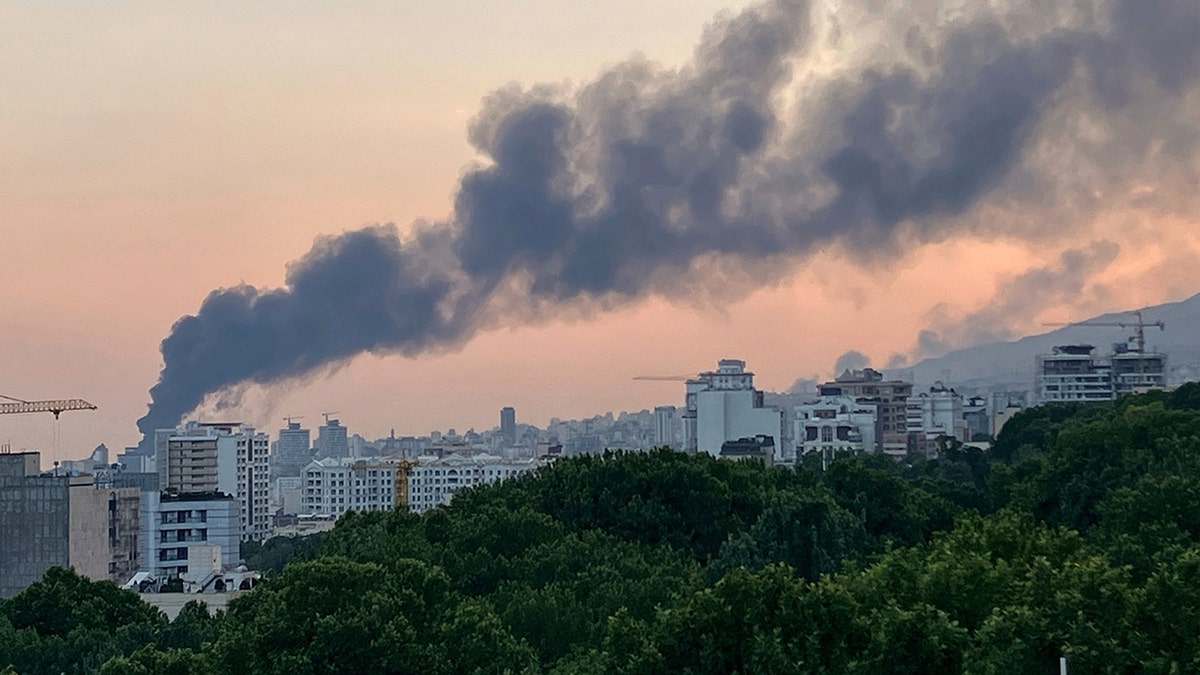
Smoke rises from the building of Iran’s state-run television after an Israeli strike in Tehran, Iran, on June 16, 2025. (AP Photo)
Iran has executed 11 people for espionage since a 12-day air conflict in June that was kicked off by Israel, killing roughly 1,100 people in Iran, including military commanders and nuclear scientists. Iran countered with a missile barrage that killed 28 people in the Jewish State.
In October, Iran executed an unknown person convicted of spying for Israel’s intelligence agency in the city of Qom.
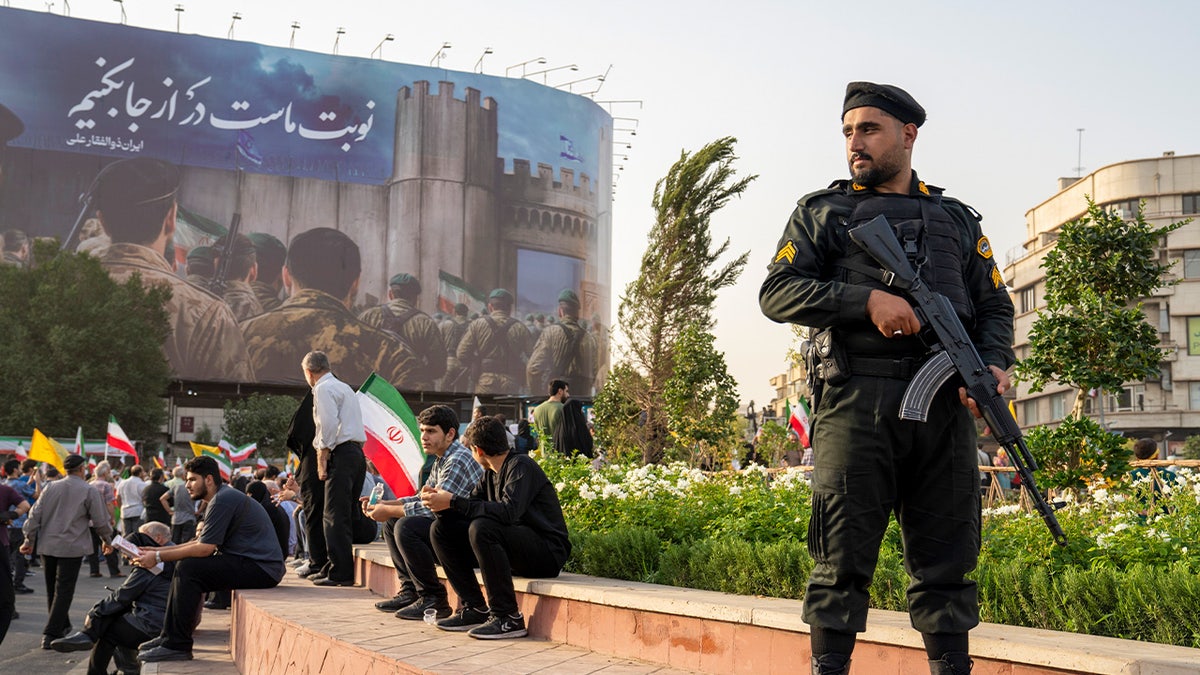
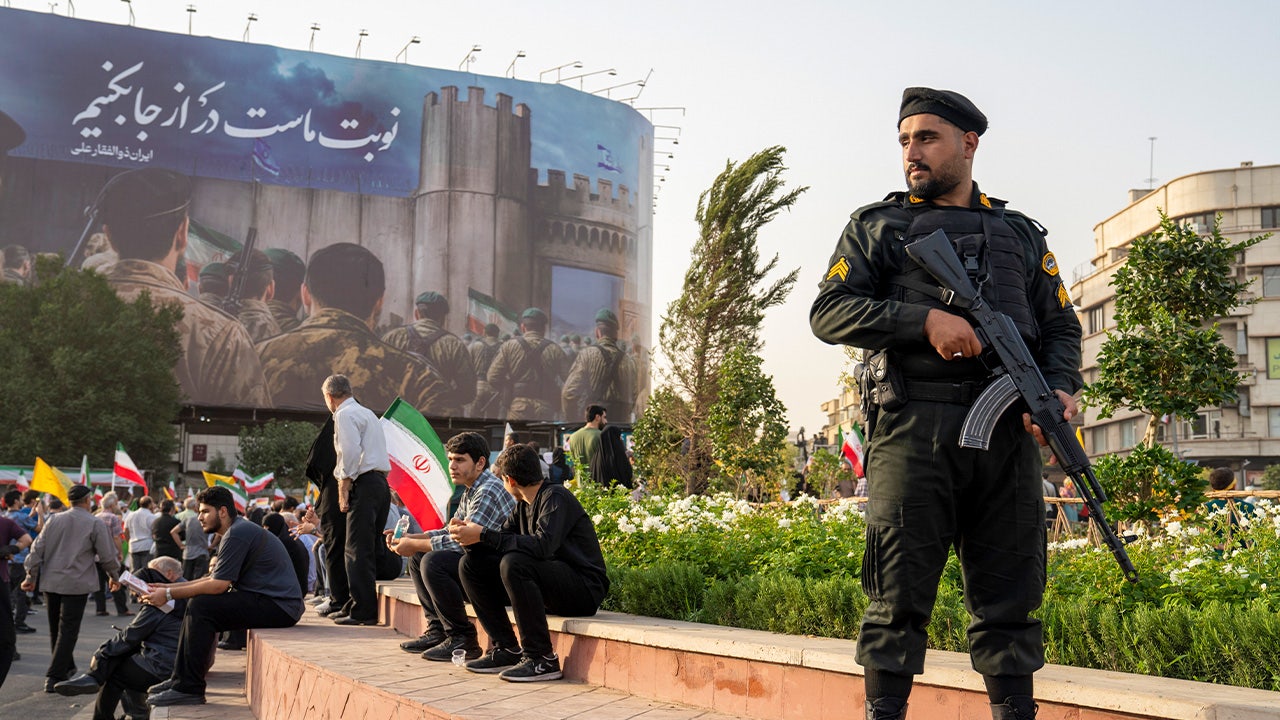
A police officer stands guard as demonstrators wave flags and cheer during a gathering following the announcement of a ceasefire between Israel and Iran, on June 24, 2025, in Tehran, Iran. (Majid Saeedi/Getty Images)
Various others have been executed in Iran in recent years before the June conflict on allegations of spying for the Mossad, including multiple earlier this year.
Iran routinely conducts closed-door trials of people accused of espionage, with the suspects often unable to access the evidence prosecutors used against them in their case.