
Share this @internewscast.com
In a notable development, Iran revealed on Sunday that it has conducted a test of a newly developed naval air defense missile during military exercises in the strategically significant Strait of Hormuz. This comes as the United States continues to bolster its military presence in the area.
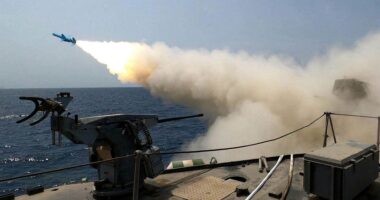
According to reports from the Mehr News Agency, which is closely tied to the Iranian government, the Islamic Revolutionary Guard Corps Navy successfully launched the Sayyad 3-G missile for the first time. The launch was part of the military exercise dubbed “Smart Control of the Strait of Hormuz.”
The Sayyad 3-G is essentially a maritime version of Iran’s land-based Sayyad-3 air defense system. This missile boasts an impressive range of around 150 kilometers, or approximately 93 miles, and is capable of being deployed from ship-based vertical launch systems.
Designed with versatility in mind, the missile targets a range of airborne threats including military aircraft, maritime patrol planes, and high-altitude drones. Its integration capabilities allow it to be part of a ship’s radar systems and command-and-control network, all the while retaining the ability to track targets independently.
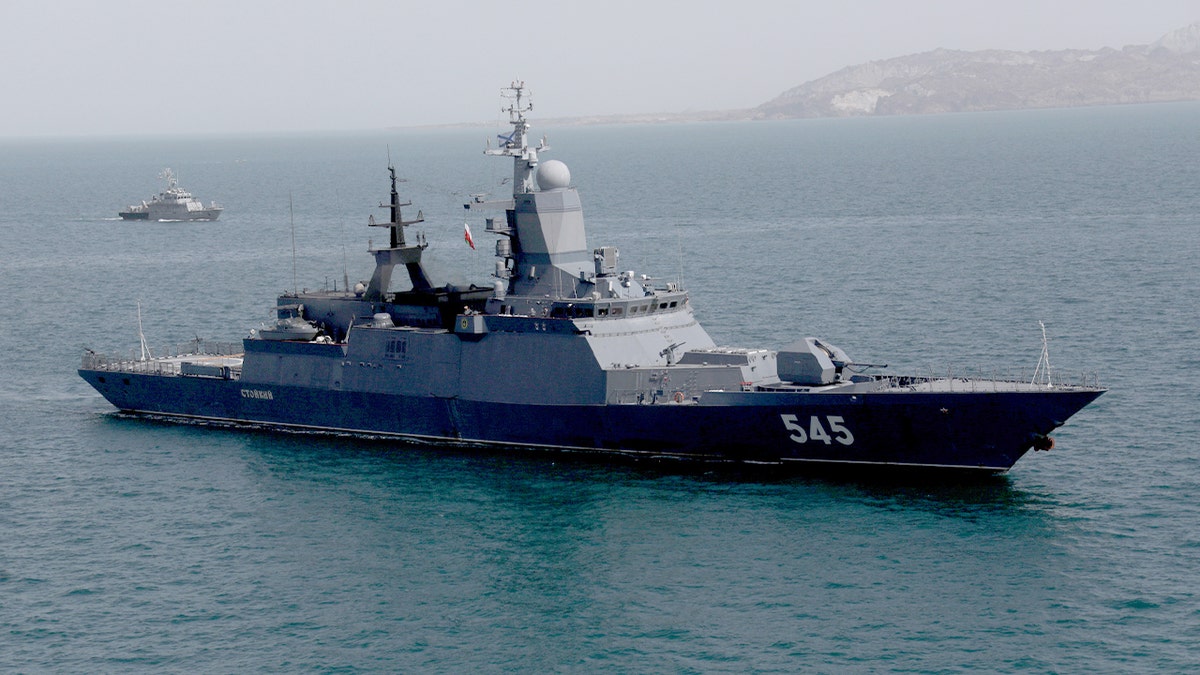
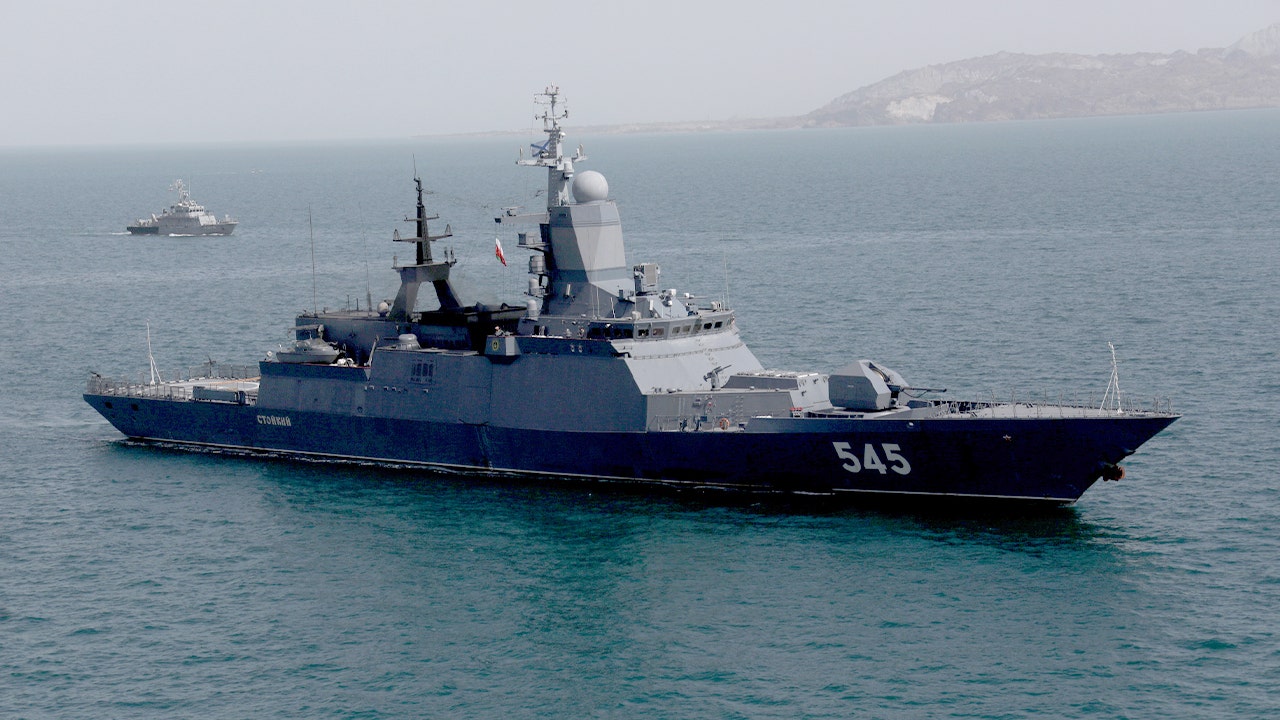
In an illustrative display of international military cooperation, Iranian and Russian naval units recently conducted joint drills in Bandar Abbas, Iran. During these exercises, they simulated the rescue of a hijacked vessel, reflecting strategic maritime collaborations.
Iranian state media said it can integrate into a ship’s onboard radar systems and command-and-control network while also maintaining independent tracking capability.
The announcement comes amid heightened regional tensions and a continued U.S. military buildup in the Gulf as Washington holds talks with Tehran over its nuclear program.
The U.S. currently has a significant buildup of naval and air assets positioned around Iran, particularly across the eastern Mediterranean, the Red Sea and the Persian Gulf.
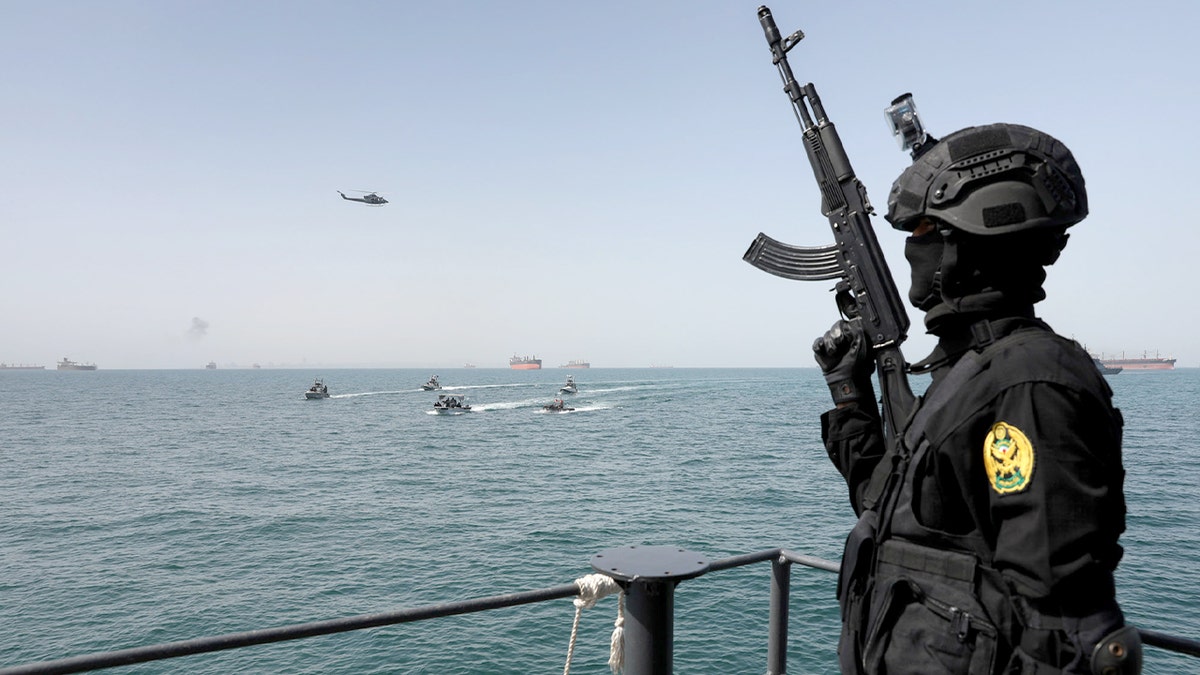
Naval units from Iran and Russia simulate the rescue of a hijacked vessel during joint drills at the Port of Bandar Abbas in Hormozgan, Iran, on Feb. 19, 2026. (Iranian Army/Handout/Anadolu via Getty Images)
The U.S. has been building up forces in the region, including the USS Abraham Lincoln aircraft carrier and multiple guided-missile destroyers operating in the Arabian Sea, as well as additional destroyers stationed in the Mediterranean and Red Sea.
Several combat ships are also positioned in the Persian Gulf near Iran’s southern coastline.
At least one U.S. military base in Saudi Arabia is shown hosting aircraft, with additional installations across the region supporting air operations and logistics.
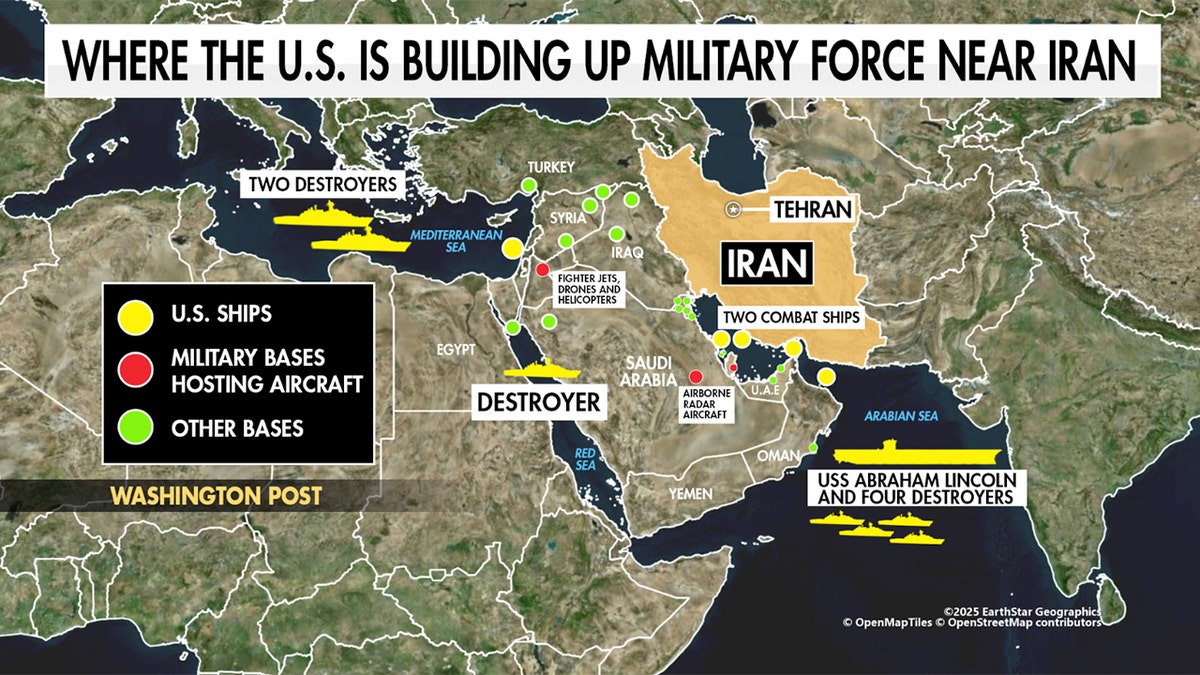
A graphic illustrates where the U.S. is building up military force near Iran, including the positions of the USS Abraham Lincoln, multiple destroyers, and various military bases as of Sunday, Feb. 22, 2026. (Fox News)
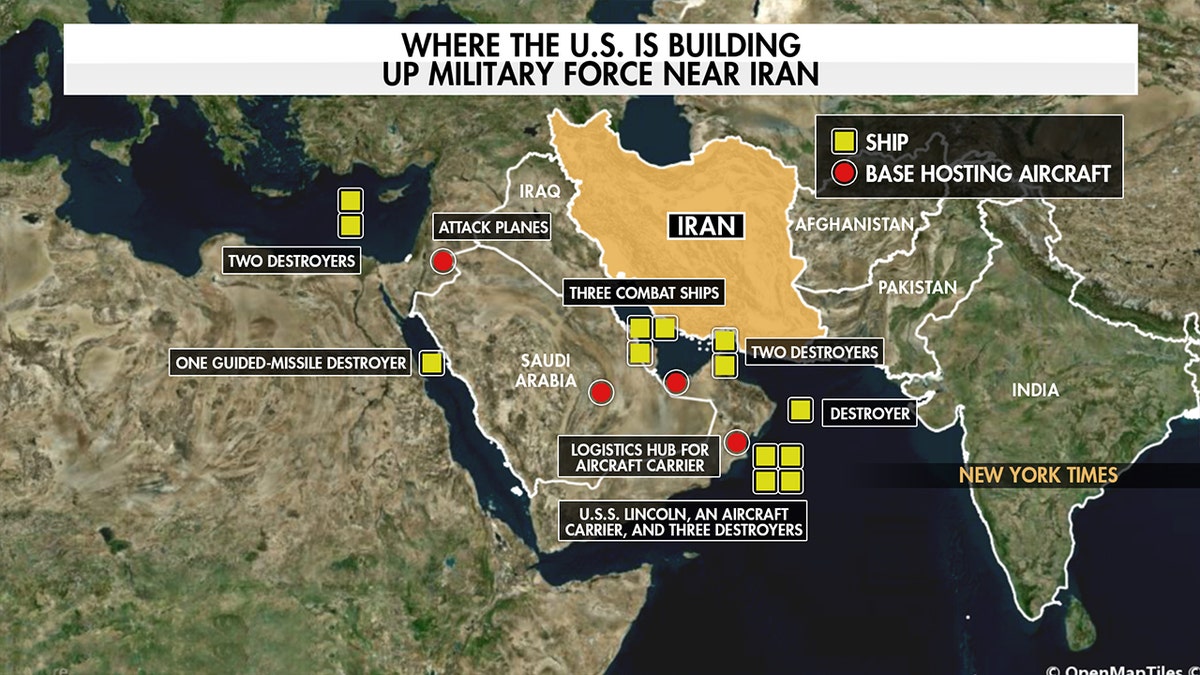
Map shows where the U.S. is building up military forces near Iran. (Fox News )
In an interview Sunday on CBS News’ “Face the Nation,” Iranian Foreign Minister Abbas Araghchi said diplomacy remains the only path forward and dismissed the impact of the U.S. military buildup.
“There is no need for any military buildup, and military buildup cannot help it and cannot pressurize us,” he said.
Araghchi confirmed that Iranian and U.S. negotiators are expected to meet again Thursday in Geneva, saying he believes it is “quite possible” to prepare a draft text and reach a deal quickly.
He added that talks are focused solely on nuclear issues and “there is no other subject.”