
Share this @internewscast.com
In a concerning turn of events for the global energy sector, Iranian drone strikes on Monday compelled Qatar to suspend its liquefied natural gas (LNG) production. The incident has not only unsettled global energy markets but also heightened apprehensions about potential supply disruptions, as Iran intensifies its assaults on regional infrastructure.
QatarEnergy, the state-backed behemoth and a leading player in the global LNG market, was forced to cease operations at two of its facilities. This decision followed reports that drones originating from Iran had targeted these critical sites.
According to a statement from Qatar’s Ministry of Defense, two drones struck facilities within the country. Fortunately, these attacks did not result in any casualties.
The drone strikes also inflicted damage on additional infrastructure, specifically targeting a water tank at a power plant in Mesaieed and a vital energy installation in Ras Laffan.
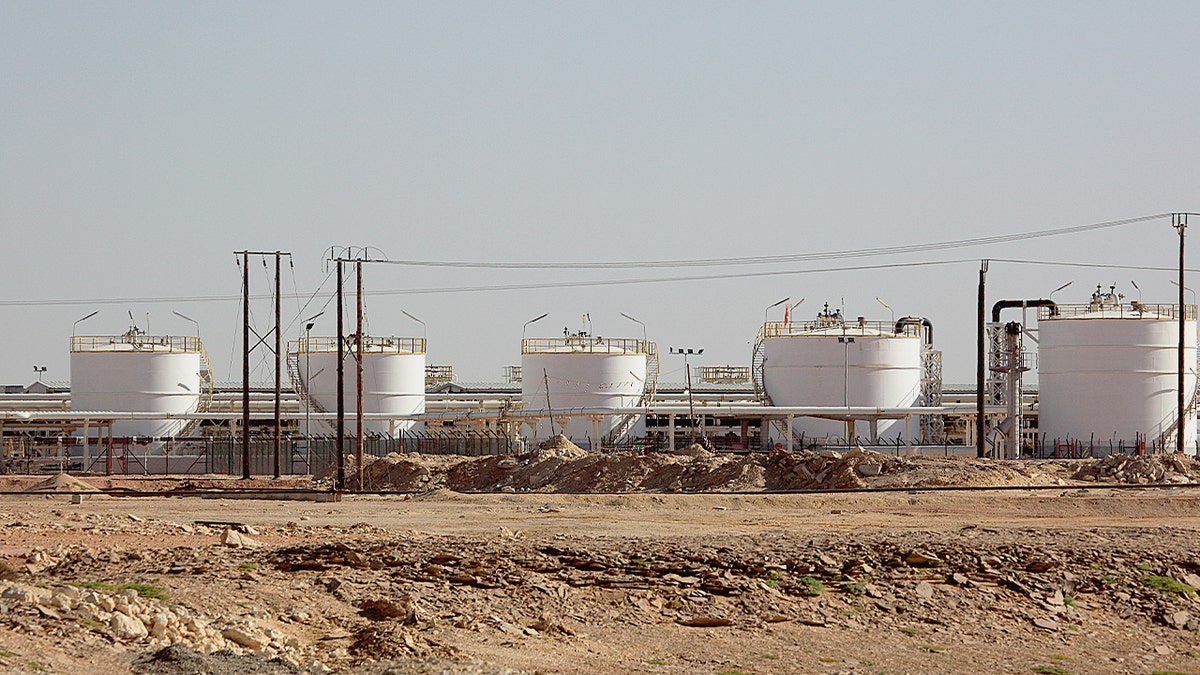
The Ras Laffan complex, known as the largest LNG export facility globally, stands as a pivotal energy hub. Its significance cannot be overstated, and the temporary suspension of operations has sent ripples through the energy markets.
Qatar’s Ras Laffan complex is the world’s largest LNG export facility, making it one of the most critical energy hubs in the world.
About 20% of global LNG trade transited the Strait of Hormuz in 2024, primarily from Qatar, according to the U.S. Energy Information Administration.
Markets reacted Monday with Europe’s benchmark natural gas futures surging by the largest margin since the 2022 energy crisis triggered by the Ukraine war, Bloomberg reported.

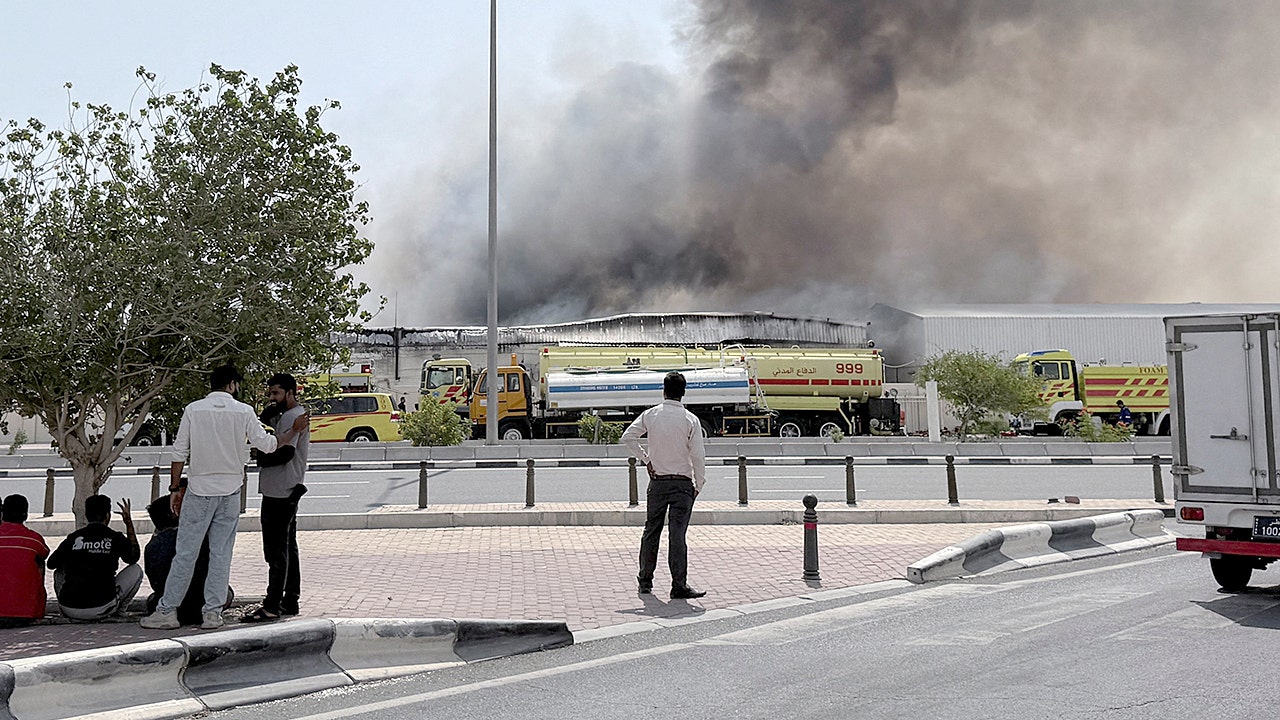
People gather as smoke rises at the Industrial Area after reported Iranian missile attacks, following United States and Israel strikes on Iran, in Doha, Qatar, March 1, 2026. (REUTERS/Mohammed Salem)
Bloomberg also reported Dutch TTF natural gas prices rose by 50% after news of the shutdown. Asian LNG prices also recorded gains as traders tried to assess the scale and length of the disruption.
“The threat to security of supply is here and now,” Simone Tagliapietra, an analyst at Bruegel, told Bloomberg. “The extent of it will depend on the duration of the shutdown, but we are now into a new scenario.”
In Saudi Arabia, another drone attack caused a fire at the kingdom’s Ras Tanura oil refinery, forcing a partial shutdown there as well.
Saudi authorities have not reported casualties, but the attack heightened fears of broader instability in the Gulf’s energy corridor, according to reports.
Related Article