Share this @internewscast.com
According to recent reports, leading figures within Iran’s governing circles have reportedly transferred “tens of millions of dollars” out of the nation in response to new U.S. sanctions aimed at the regime’s suppression of protests.
The U.S. Treasury Department’s Office of Foreign Assets Control announced on January 15 its measures against clandestine banking systems that enable Iran’s elite to misappropriate and obscure income generated from the nation’s natural resources.
Behnam Ben Taleblu, a senior fellow at the Foundation for Defense of Democracies, informed Fox News Digital that there are numerous accounts, some yet unverified, about diverse forms of capital flight from the Islamic Republic.
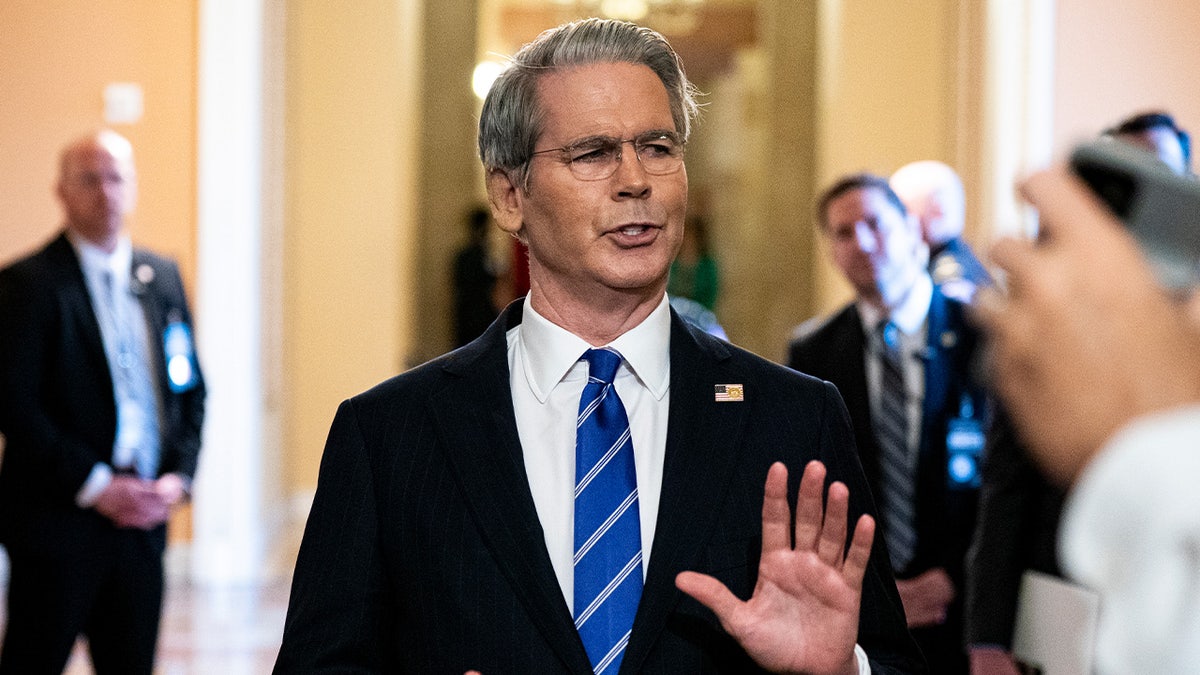
In related actions, House Ways and Means Committee Chairman Jason Smith has communicated with Treasury Secretary and acting IRS chief Scott Bessent, as well as IRS CEO Frank Bisignano, regarding a referral of CAIR-California for IRS evaluation. (Image: Al Drago/Getty Images)
Ben Taleblu emphasized that if the money outflow is confirmed, it highlights the urgency for U.S. officials to identify and “freeze and seize” assets connected to individuals under sanctions.
“Should capital flight be occurring, these are the accounts that U.S. authorities must focus on monitoring, blocking, and seizing,” he noted.
“At the direction of President Trump, the Treasury Department is sanctioning key Iranian leaders involved in the brutal crackdown against the Iranian people. Treasury will use every tool to target those behind the regime’s tyrannical oppression of human rights,” Secretary of the Treasury Scott Bessent also said in a statement on Jan. 15.
Bessent went on to reveal in an interview how his department had tracked the wiring of “tens of millions of dollars” out of Iran by leaders.
“We are now seeing the rats fleeing the ship, because we can see millions, tens of millions of dollars being wired out of the country, snuck out of the country by the Iranian leadership,” Bessent added.
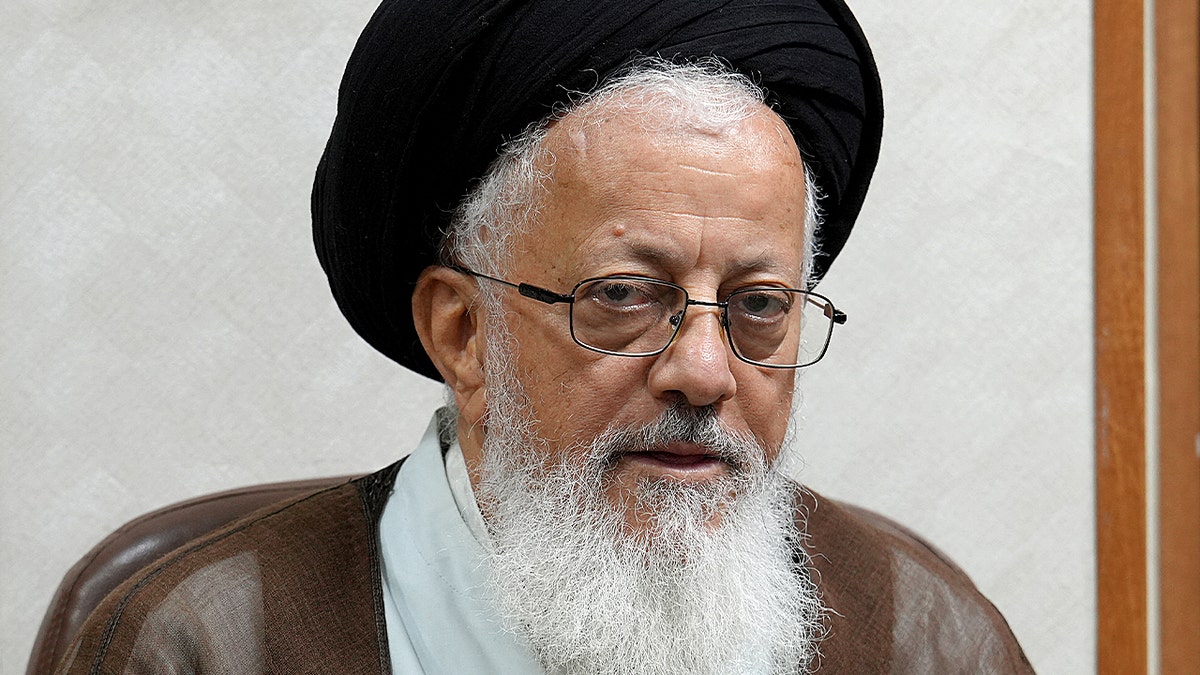
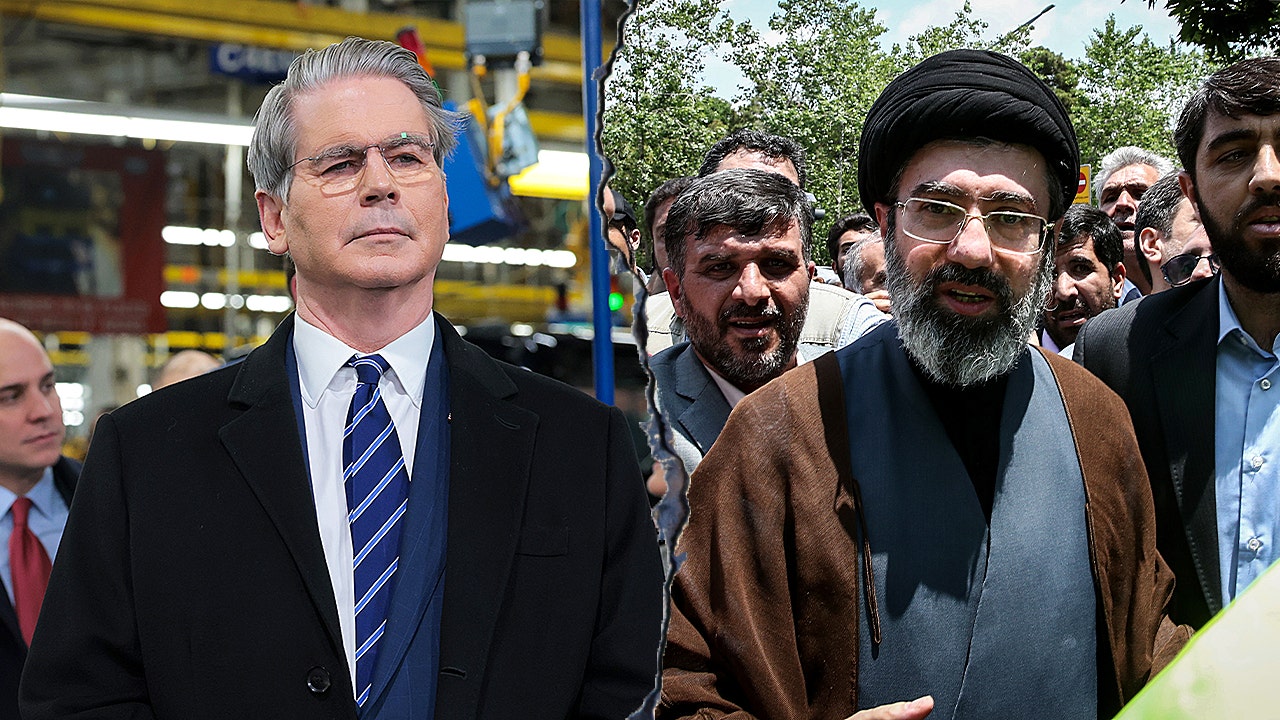
Treasury sanctions target Iran’s shadow banking as Mojtaba Khamenei allegedly transferred millions overseas, ( QASSEM AL-KAABI/AFP via Getty Images)
“So they are abandoning ship, and we are seeing it come into banks and financial institutions all over the world,” he added.
Iranian figures were said to be moving large sums abroad, with Mojtaba Khamenei, the son of Supreme Leader Ayatollah Ali Khamenei allegedly transferring roughly $328 million overseas as part of an estimated $1.5 billion shift in recent days, Channel 14 reported.
“There were also some reports on social media about large volumes of Bitcoin being transferred, or other kinds of financial assets. I haven’t been able to independently confirm that, but it is something that’s being discussed,” Ben Taleblu added.
“The fact that the Treasury Department is looking at this tells you quite seriously that Washington is also trying to link its foreign economic policy with its national security policy,” he said.
Ben Taleblu also claimed Iran’s shadow banking system has been deeply embedded in global finance, with billions of dollars routed through jurisdictions “including the United Arab Emirates, Hong Kong and Singapore.”
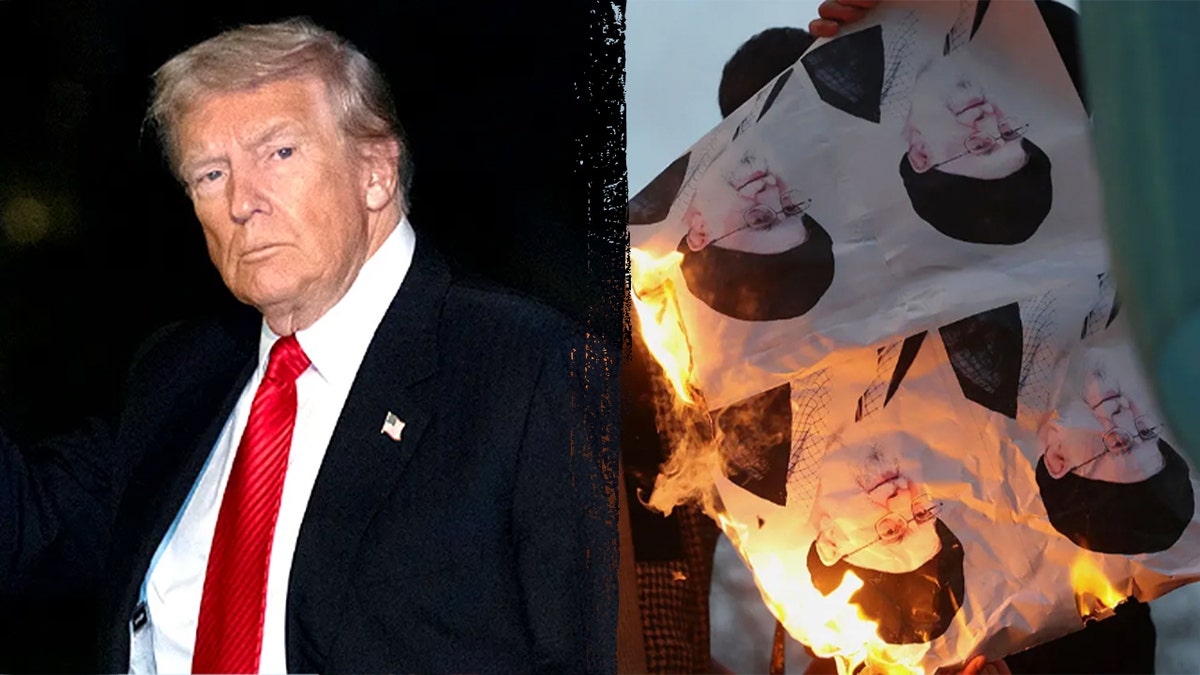
Trump is weighing U.S. options to respond to Iran’s crackdown on protesters. (Mark Schiefelbein/AP Photo;Toby Melville/Reuters)
“In the past, Washington has tracked the regime’s shadow banking activities, which, unfortunately, even include trade and money laundering through friendlier, more Western-leaning jurisdictions,” Ben Taleblu explained.
“In fact, the Treasury Department identified almost $9 billion of Iranian shadow banking activity that touched U.S. correspondent accounts throughout 2024,” he said.
Ben Taleblu added that the economic pressure campaign places renewed attention on President Donald Trump’s next move.
“All eyes right now are on President Trump to see if he takes a page from the Reagan playbook, the Obama playbook, or something else entirely,” Ben Taleblu said.
“The million-dollar question is whether there will be something kinetic, especially after the most violent crackdown against protesters in the Islamic Republic’s history.”
“Economic sanctions are helpful and necessary,” he added, “but they are nowhere near sufficient to level the playing field between the street and the state.”