
Share this @internewscast.com
On Thursday, Iran escalated tensions by unleashing a fresh wave of attacks, with explosions reverberating through the region. Tehran issued a stark warning to the United States, cautioning that it would “bitterly regret” its decision to sink an Iranian warship.
The strikes carried out by Iran on Thursday were directed at Israel, American military outposts, and neighboring countries. In Israel, air raid sirens pierced the air in cities like Tel Aviv and Jerusalem, signaling multiple missile threats.
Meanwhile, Azerbaijan’s Ministry of Defense reported that Iran deployed unmanned aerial vehicles (UAVs) to launch an assault on Nakhchivan International Airport along with other civilian sites. Authorities are currently examining the specifics of the attack and evaluating the UAVs’ capabilities.
“The Ministry of Defense of the Republic of Azerbaijan strongly condemns the attacks executed by the armed forces of the Islamic Republic of Iran against civilian infrastructure within Azerbaijan’s territory, particularly given the absence of any military necessity. The Islamic Republic of Iran is fully accountable for this incident,” declared the ministry in a formal statement.
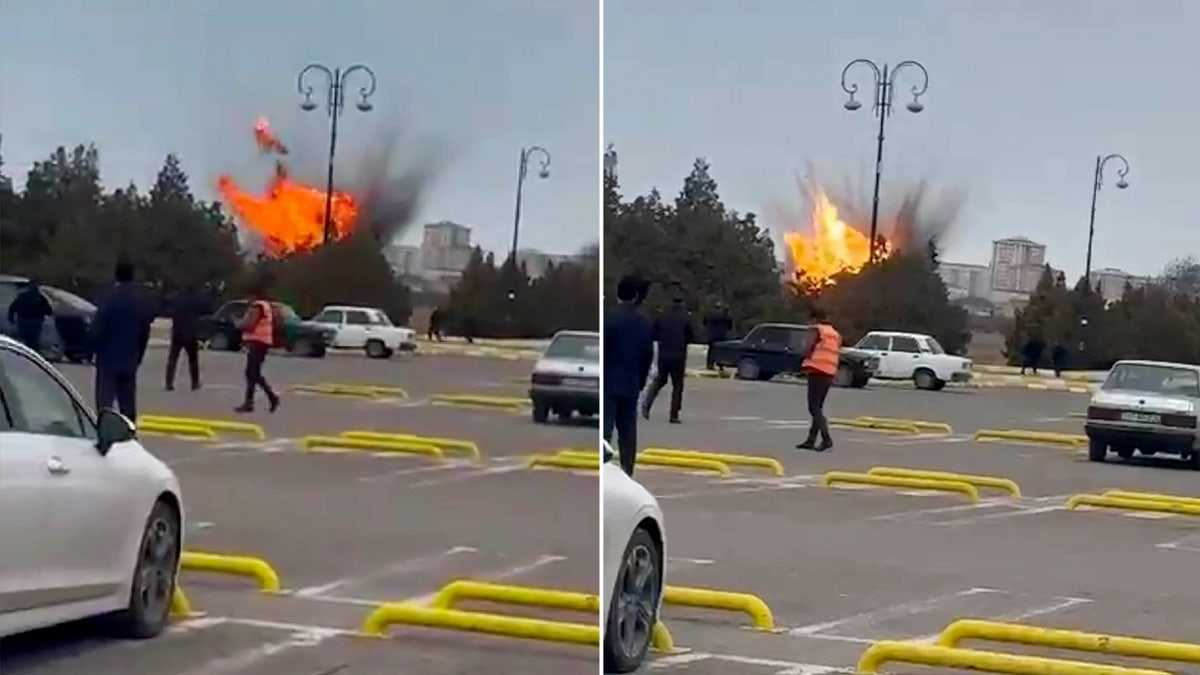
Explosions were witnessed and heard in Azerbaijan, as Iran initiated retaliatory strikes across the Middle East. Despite these developments, Iran has not officially acknowledged targeting Azerbaijan, even as Azerbaijan’s defense ministry points an accusatory finger at Tehran.
Iran has not acknowledged targeting Azerbaijan, despite the country’s ministry of defense pointing the finger at Tehran.
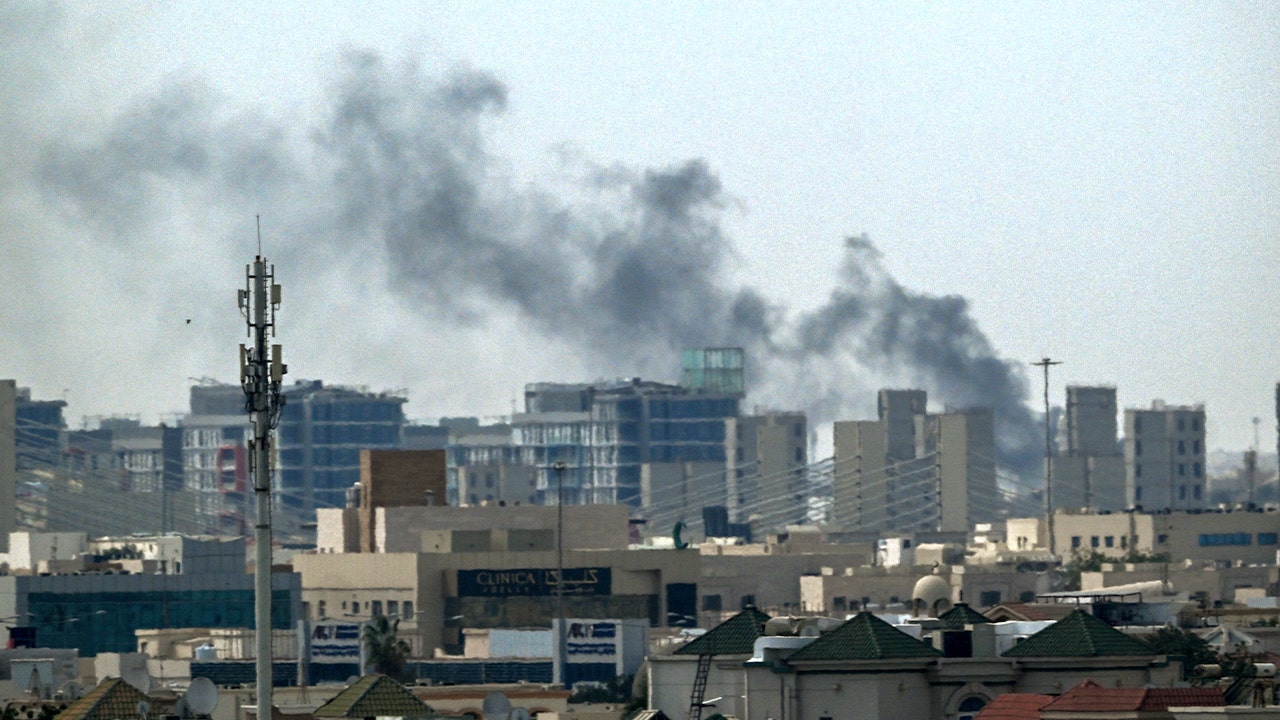
Qatar evacuated residents near the U.S. Embassy in Doha on Thursday, with its Ministry of Defense confirming that the country was “subjected to a missile attack” and that its air defense systems were able to intercept it. The ministry urged the public to remain calm and avoid unofficial information.
Abu Dhabi announced that its authorities were responding to an incident involving falling debris in ICAD 2, which is part of the Industrial City of Abu Dhabi. Six people, identified by Abu Dhabi as Pakistani and Nepali nationals, suffered minor to moderate injuries.
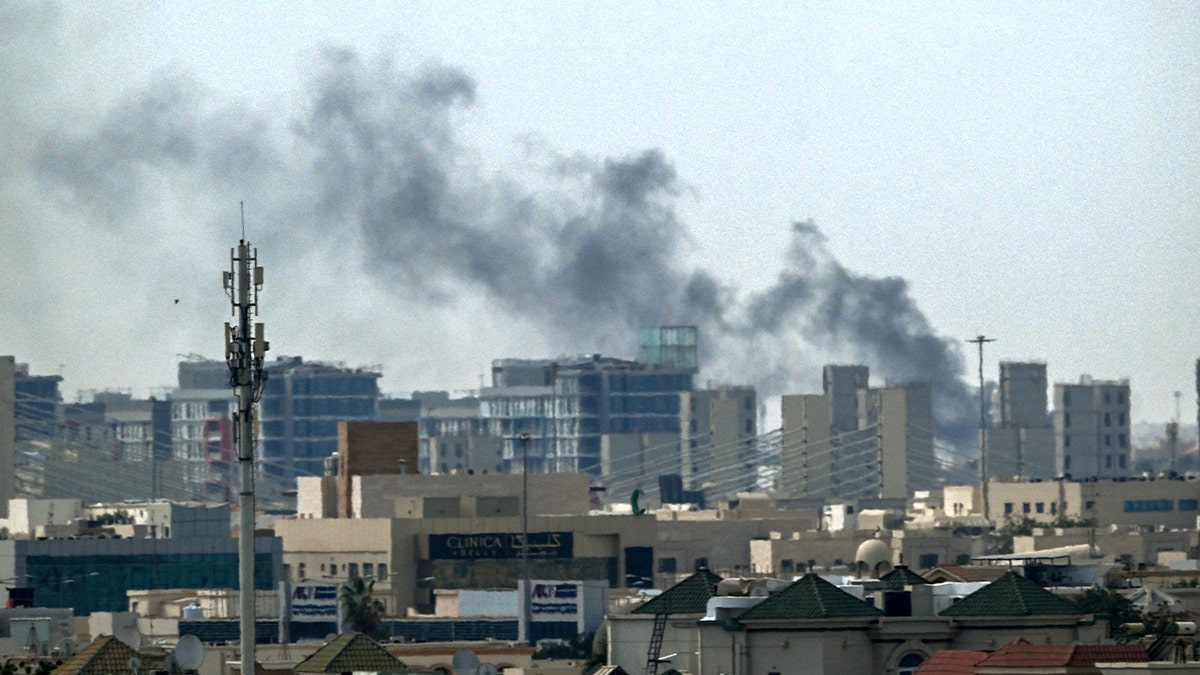
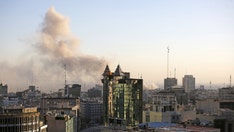
A plume of smoke rises over buildings in Doha, Qatar, on March 5, 2026. (Mahmud Hams/AFP via Getty Images)
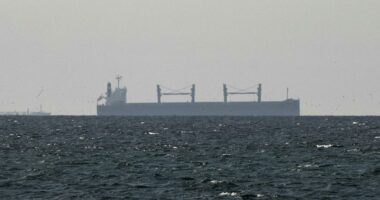
Iran has carried out retaliatory strikes since the launch of Operation Epic Fury, with the latest wave coming one day after the U.S. sunk an Iranian warship, killing at least 87 Iranian sailors. Sri Lankan navy spokesman Cmdr. Buddhika Sampath said 32 people were rescued from the wreck and were admitted to a hospital.
Secretary of War Pete Hegseth defended the move during a news briefing at the Pentagon.
“An American submarine sunk an Iranian warship that thought it was safe in international waters. Instead, it was sunk by a torpedo — Quiet Death. The first sinking of an enemy ship by a torpedo since World War II. Like in that war, back when we were still the War Department, we are fighting to win,” Hegseth said.
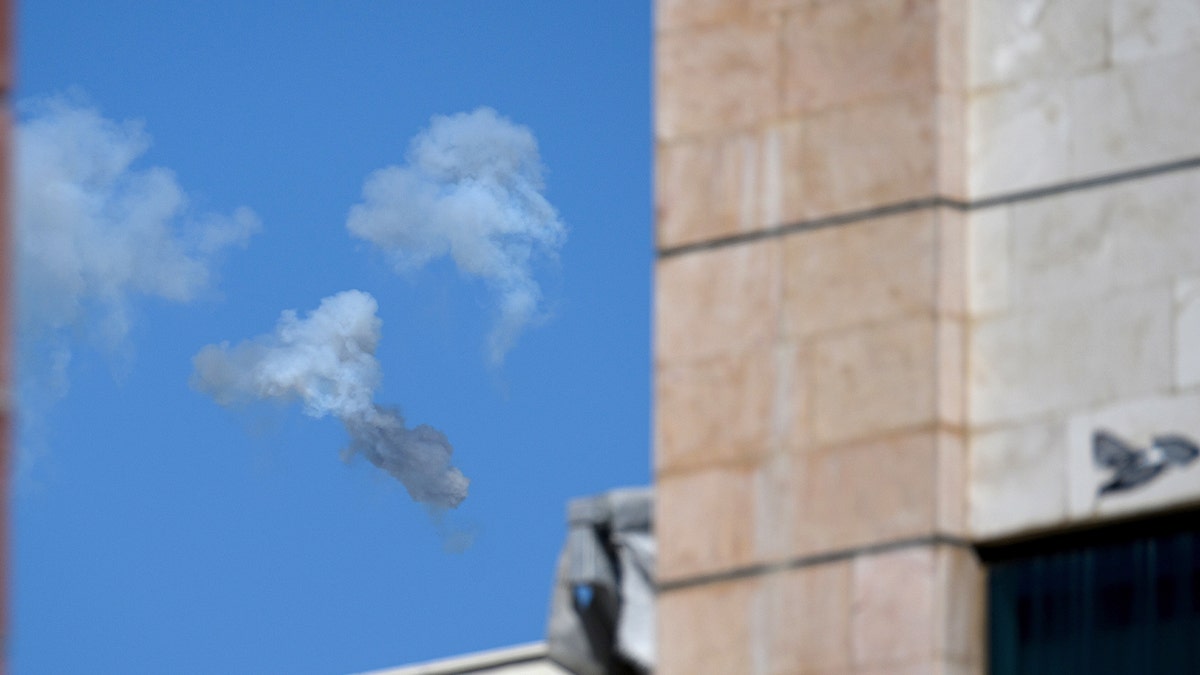
Missile interceptions are seen in the sky on March 5, 2026, in Central Israel. (Alexi J. Rosenfeld/Getty Images)
Iranian leaders condemned the attack, with Foreign Minister Abbas Araghchi accusing the U.S. Navy of committing “an atrocity at sea.” Meanwhile, Ayatollah Abdollah Javadi Amoli appeared on state television and called for the shedding of Israeli and “Trump’s blood.”
“Fight the oppressive America, his blood is on my shoulders,” he said in a rare call for violence from an ayatollah, one of the highest ranks within the clergy of Shiite Islam.
The U.S. and Israel launched the war on Saturday with strikes targeting Iran’s leadership, including the supreme leader, Ayatollah Ali Khamenei, who was killed. Iran’s missile arsenal and nuclear facilities were also hit.
Related Article