
Share this @internewscast.com

Ships navigating the strategic waters of the Strait of Hormuz now face new financial and operational hurdles following a recent report. It reveals that vessels must secure secret codes and pay up to $2 million, either in Chinese yuan or cryptocurrencies, to evade potential threats from Iran.
This development comes on the heels of Iran’s legislative body passing a bill that enforces fees for secure passage through the strait. According to insiders who spoke with Bloomberg, to ensure safe transit, tankers and cargo ships must engage with a company associated with Iran’s Islamic Revolutionary Guard Corps (IRGC).
Once a ship’s details are submitted, it must hoist the flag of a nation that is not considered hostile by Iran. Additionally, it is required to send out a covert, high-frequency signal to notify the Iranian navy, which will then escort the vessel through these vital waters.
These regulations effectively place the control of the Strait of Hormuz, a pivotal channel responsible for the movement of 20% of the globe’s oil supply, firmly in Tehran’s hands.
Before embarking on this crucial maritime route, vessels must disclose comprehensive information about their ownership, flag, cargo, intended destination, crew, and the data from their Automated Identification System, which logs the ship’s travel history.
This information is scrutinized by the IRGC’s naval forces, ensuring that the ships have no affiliations with the United States or Israel, as reported by Bloomberg.
If the background check is passed, the parties then negotiate the price of passage, with oil tankers seeing the starting price at around $1 per barrel of crude, which must be paid in yuan or stable cryptocurrencies.
For a very large crude carrier (VLCC), which carries up to 2 million barrels, that price could equate to $2 million for passage.
Tehran has defended the creation of “the Iranian tollbooth” to the International Maritime Organization, which serves as the world’s shipping watchdog.
“As the coastal state bordering the Strait, the Islamic Republic of Iran, in full conformity with established principles and rules of international law, has restricted the passage of vessels belonging to or associated with the aggressors,” Tehran said in a letter to the IMO.
Iran closed the Strait in March to anyone it deemed an enemy after the US and Israel waged war on the Islamic Republic.
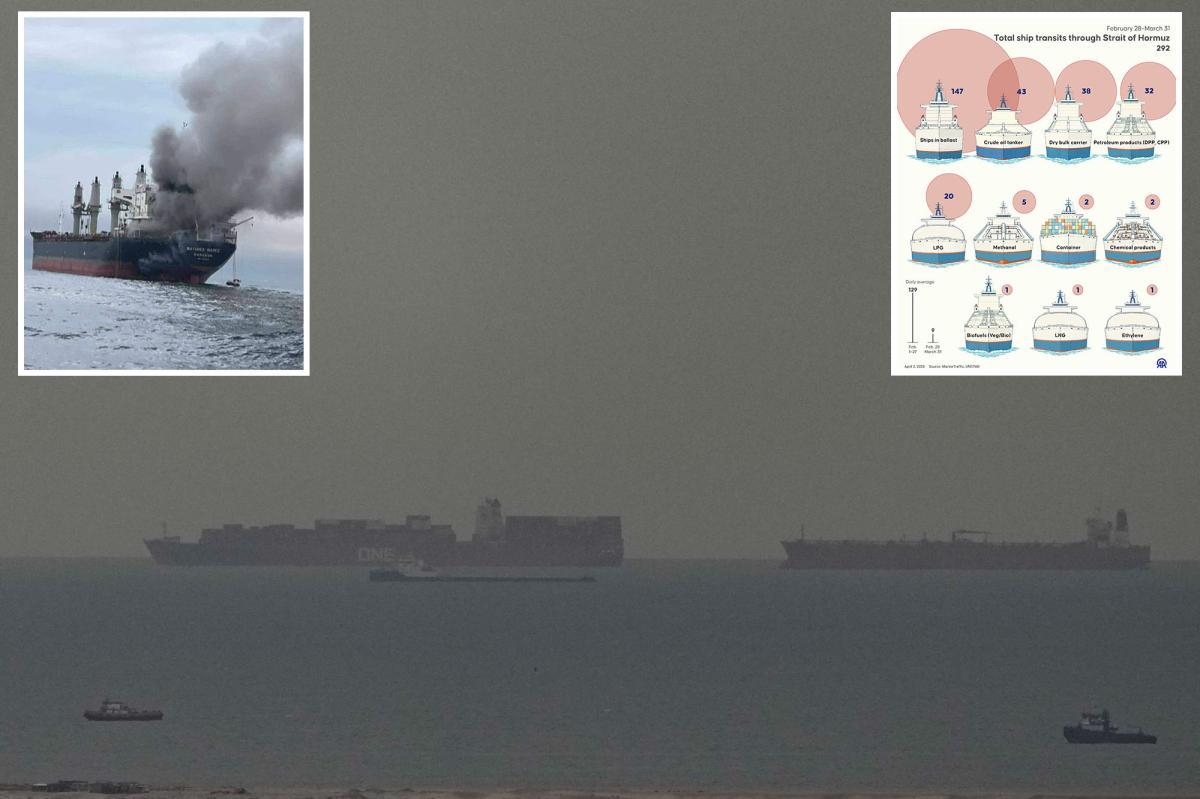
Around 300 ships have been able to get through the Strait of Hormuz since the war began after negotiating with Iran, including ships linked to India, China, and Pakistan.
Prior to the war, some 130 ships traveled through the Strait of Hormuz everyday, according to maritime trackers.
Some 2,000 ships remain trapped in the area, with the IMO calling on nations to urgently find ways to evacuate the trapped ships, which are carrying about 20,000 seafarers on board.