Share this @internewscast.com
In the midst of escalating tensions with Iran, experts suggest the Trump administration should urge Lebanon to uphold its pledge to disarm the Iran-supported militant group, Hezbollah. The group is allegedly pulling the nation towards another conflict with Israel.
David Schenker, who previously served as the U.S. Assistant Secretary of State for Near Eastern Affairs and is now leading the Program on Arab Politics at the Washington Institute for Near East Policy, emphasized the necessity for the U.S. to communicate to Lebanon the urgency of disarming Hezbollah. “If Beirut fails to pursue disarmament, it risks continuing as a failed state,” Schenker told Fox News Digital.
This cautionary note arrives as the Israeli Defense Forces (IDF) launched strikes on several Hezbollah positions last Friday. These actions were in retaliation to the group’s attack on March 2, when they fired rockets and deployed drones against Israel. This marked the first offensive since a ceasefire in November 2024 ended previous hostilities.
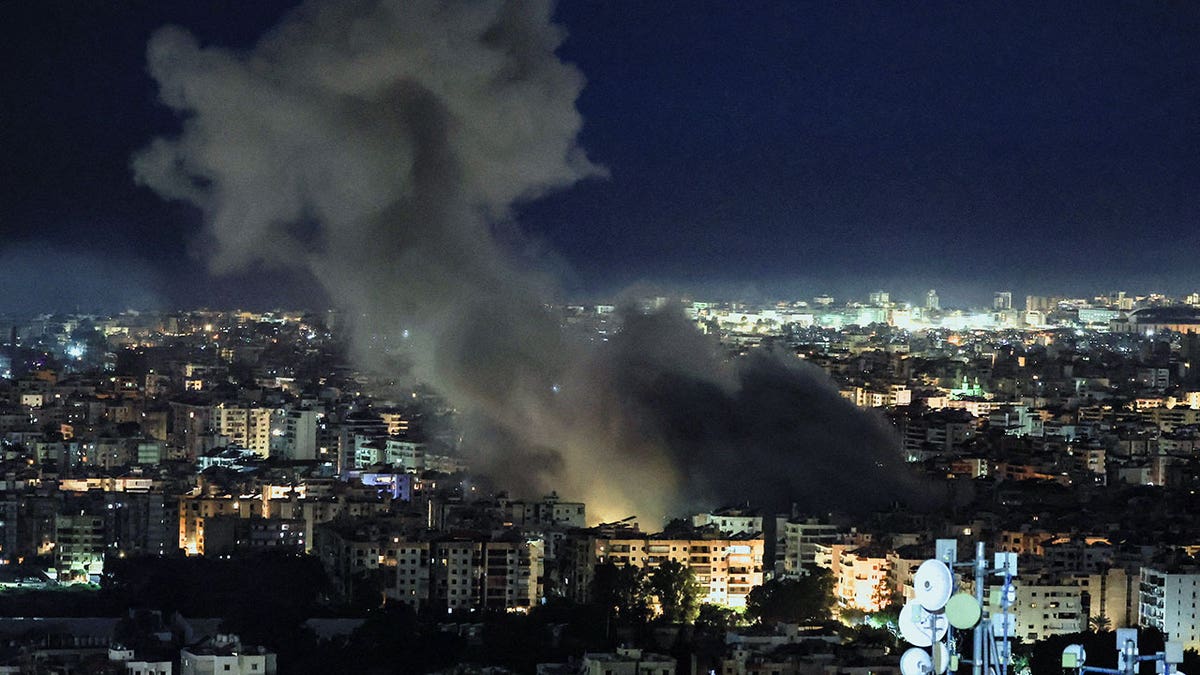
Photographs capture smoke rising from Beirut’s southern suburbs, illustrating the heightened conflict between Hezbollah and Israel against the backdrop of U.S.-Iranian tensions. This scene was observed from Baabda, Lebanon, on March 5, 2026. (Mohamed Azakir/Reuters)
Since the conflict reignited, the IDF has conducted over 200 operations within Lebanon, targeting Hezbollah’s military assets, media outlets, financial networks, and its operatives, as reported on March 5 by the Long War Journal of the Foundation for Defense of Democracies. Israeli Defense Minister Israel Katz further issued a warning to Hezbollah’s leader, Naim Qassem.
The resurgence of hostilities has laid bare the significant strains within Lebanon’s government. In recent days, the government has publicly urged Hezbollah to relinquish its weapons and directed security forces to thwart any attacks on Israel that might originate from Lebanese soil.
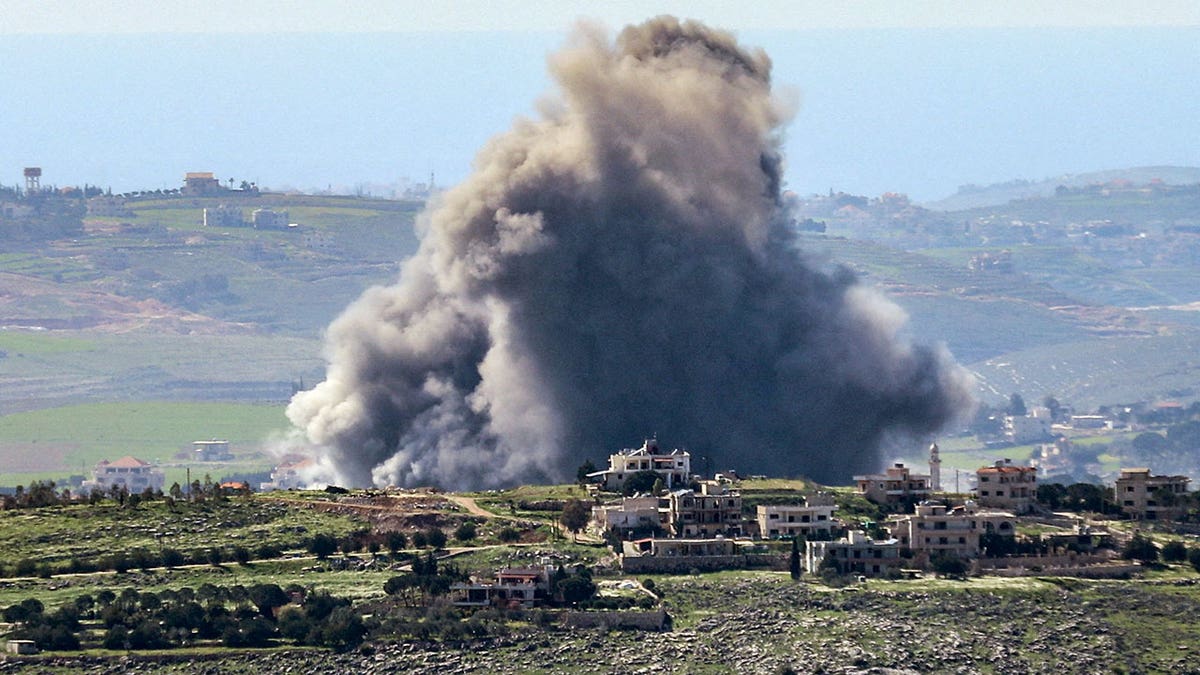
Smoke rises after Israeli strikes in Lebanon, following an escalation between Hezbollah and Israel amid the U.S.-Israeli conflict with Iran, as seen from Marjayoun, Lebanon, March 5, 2026. (Karamallah Daher/Reuters)
Schenker says the move reflects frustration in Beirut rather than a fundamental policy shift. “The Government of Lebanon’s latest cabinet vote on Hezbollah disarmament is nothing new,” Schenker said. “It is a reiteration of the cabinet decision last August mandating the disarmament of Hezbollah. The language is perhaps more strident, but the message is the same.”
“It is a reflection of the Government’s frustration and desperation over Hezbollah dragging Lebanon into yet another war with Israel,” he added. “It also reflects the Lebanese Armed Forces’ failure to date to take its mission of disarmament seriously.”
Hezbollah’s latest attacks appear to have caught Lebanese officials off guard. Reports suggest the group had previously assured officials it would not intervene in a broader regional conflict tied to Iran.
Schenker said the episode underscores a longstanding reality in Lebanon’s political system. “The government of Lebanon has never tried to control Hezbollah,” he said. “The few months that the LAF devoted to disarmament in south Lebanon was performed with Hezbollah’s consent and coordinated with the militia.”
Still, public frustration inside Lebanon may be shifting the political environment. “Given the population’s growing anger toward Hezbollah now, the political environment should be more conducive for the LAF to confront Hezbollah,” Schenker said.
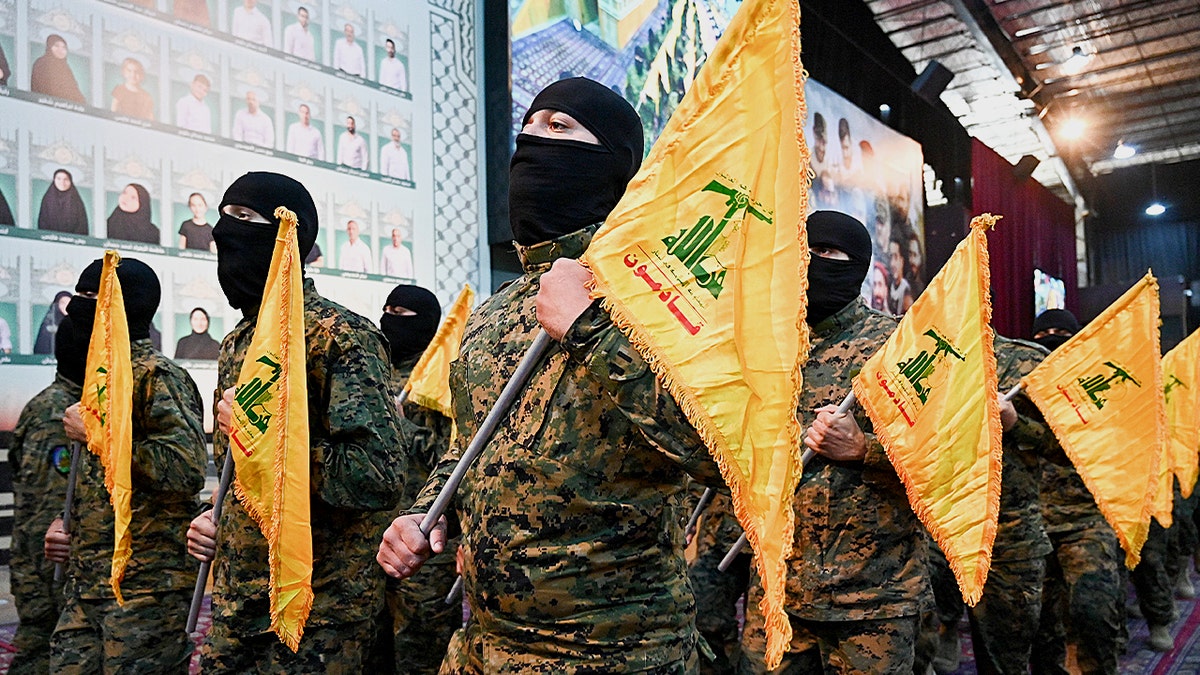
Iran rebuilds Hezbollah ties as Trump gives 10-15 day deadline. (Fadel Itani/NurPhoto via Getty Images)
“The fear of ‘civil war’—i.e., Hezbollah perpetrating violence against the Government—remains,” he added. “But increasingly, Lebanese prefer taking that risk and possibly gaining sovereignty than being in a state of perpetual war with Israel.”
In a clip posted on X by the Center for Peace Communications, Lebanese people angrily responded to Hezbollah’s actions with one man telling Jusoor News: “If Hezbollah leader Naim Qassem wants to commit suicide, let him go do it in Tehran, not Lebanon.”
According to David Daoud, senior fellow at the Foundation for Defense of Democracies, Hezbollah’s decision to attack Israel despite the ceasefire reflects the group’s willingness to escalate the conflict even as Lebanon’s government seeks to avoid another war.
The crisis has also drawn international attention. French President Emmanuel Macron called for urgent steps to prevent Lebanon from sliding deeper into war.
“Everything must be done to prevent this country, so close to France, from once again being drawn into war,” Macron wrote in a statement posted on X on March 5 after speaking with Donald Trump, Benjamin Netanyahu and Lebanese leaders.

Lebanese President Joseph Aoun (R) meets with U.S. President Donald Trump’s Deputy Special Representative for the Middle East, Morgan Ortagus (L) at the Baabda Palace in Beirut, Lebanon, on Feb. 07, 2025 (Photo by Lebanese Presidency / Handout/Anadolu via Getty Images)
Macron said Hezbollah “must immediately cease its fire toward Israel,” while urging Israel to avoid expanding military operations inside Lebanon.
For now, analysts say the outcome may depend on whether Lebanon’s government is willing to confront Hezbollah directly or continue to tolerate Iran’s terror proxy that has long operated outside the control of the government’s control.
Related Article