
Share this @internewscast.com
As Jewish families nationwide gather to observe Passover, an escalating threat environment is influencing how communities plan for the holiday and future events. Rising tensions linked to the conflict with Iran and attacks targeting Jews and Jewish places of worship have heightened concerns over community safety.
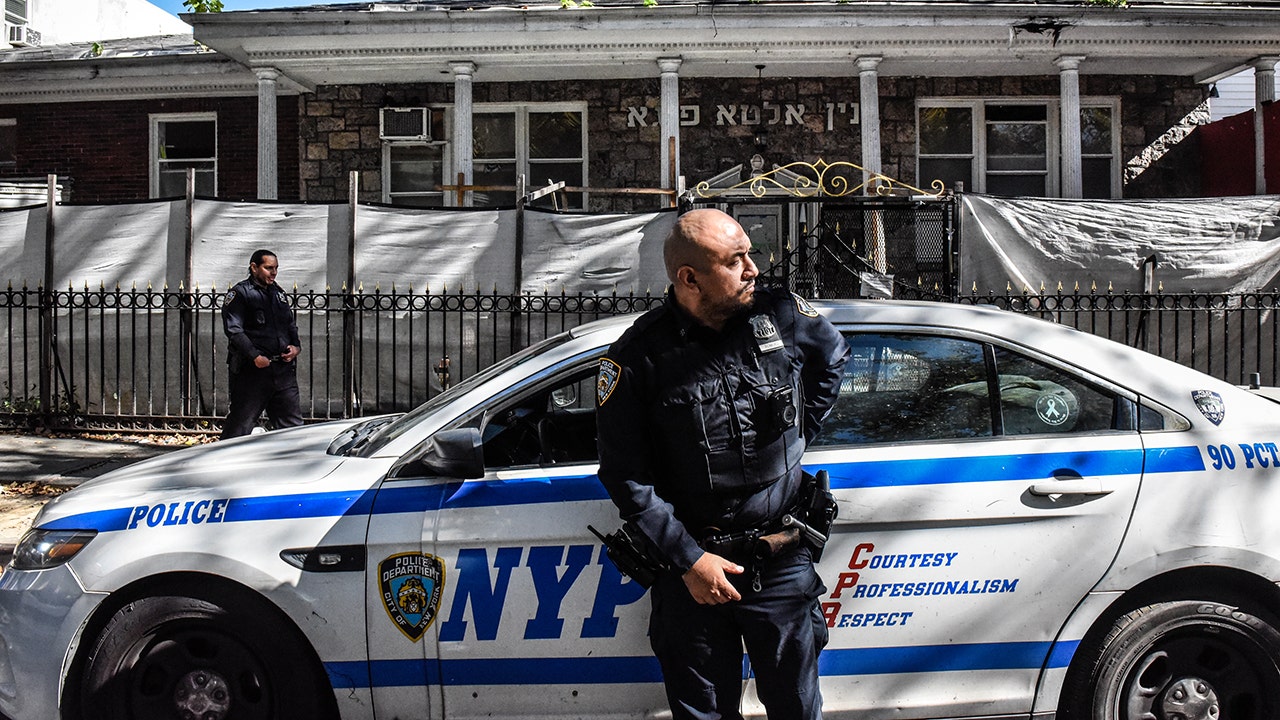
From Miami to New York, authorities are actively addressing what they identify as a persistent and evolving threat landscape. During a pre-Passover security briefing at the NYPD headquarters, Police Commissioner Jessica Tisch cautioned Jewish community leaders, stating, “It is clear that we will be in a heightened state of alert for the foreseeable future.” This warning comes amidst policymakers and security experts highlighting the growing disparity between the threats Jewish communities face and the federal resources available for their protection.
Despite these security concerns, financial support for religious institutions in the United States falls short of what experts deem necessary to counteract the current threats, as antisemitic incidents continue to rise.
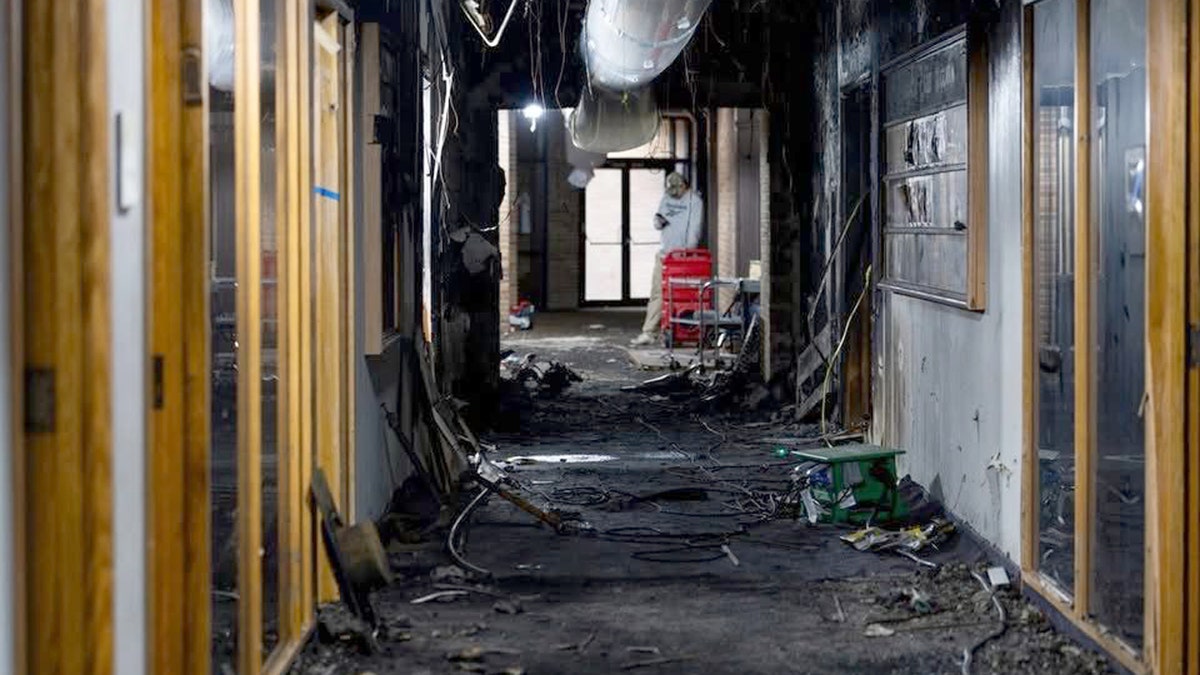
An incident at Temple Israel synagogue in West Bloomfield, Michigan, underscores these fears. An attacker rammed into the building on Thursday, March 12, 2026, showcasing the immediate need for improved security measures.
According to the Federal Bureau of Investigation, anti-Jewish hate crimes have consistently represented the largest portion of religion-based crime incidents in the United States over recent years.
The gap between perceived risk and available resources is a significant concern for those working directly with affected communities. Scott Feltman, a Preventative Security Analyst and Executive Vice President at One Israel Fund, emphasized that no religious group should be forced to choose between staying open and ensuring their safety.
“No one should feel unsafe walking into a synagogue, church, mosque or temple in New Jersey or anywhere in America,” Rep. Josh Gottheimer, D-N., told Fox News Digital, who in recent weeks has been advocating for an increase in federal Nonprofit Security Grant Program (NSGP) funding to $1 billion in fiscal year 2027, a proposal currently under consideration in Congress.
Recent attacks underscore the urgency. In Michigan, a man rammed a vehicle into a synagogue in West Bloomfield and opened fire while more than 100 preschool children were inside. In California, two Jewish men speaking Hebrew were reportedly assaulted in a restaurant while the attacker shouted antisemitic slurs.
Jesse Arm, Manhattan Institute vice president for external affairs, told Fox News Digital, “What the latest attempted massacre made clear — when an Islamist from Dearborn via Lebanon tried to ram an explosive-laden truck into a synagogue preschool in my hometown of West Bloomfield, Michigan — is that security works. The presence of trained, armed guards helped save the lives of 140 American children and their caretakers.
“But the broader lesson for the Jewish community is that safety cannot be outsourced entirely to the federal government or to any administration. It requires a cultural shift: normalizing lawful firearm ownership and training, hardening facilities at every level, and investing in the day schools, camps and identity-forming institutions that build communities confident and rooted enough to defend themselves.”
Arm had praise for the administration in its fight against antisemitism: “President Trump has been a godsend for American Jewry. His administration has been unambiguous in its commitment to Jewish safety — naming antisemitism as a serious national security threat, taking a hard line on campus radicalism and prioritizing the kind of border security and counter-jihadist vigilance that the previous administration routinely soft-pedaled. American Jews should recognize that and be immensely grateful for it.”
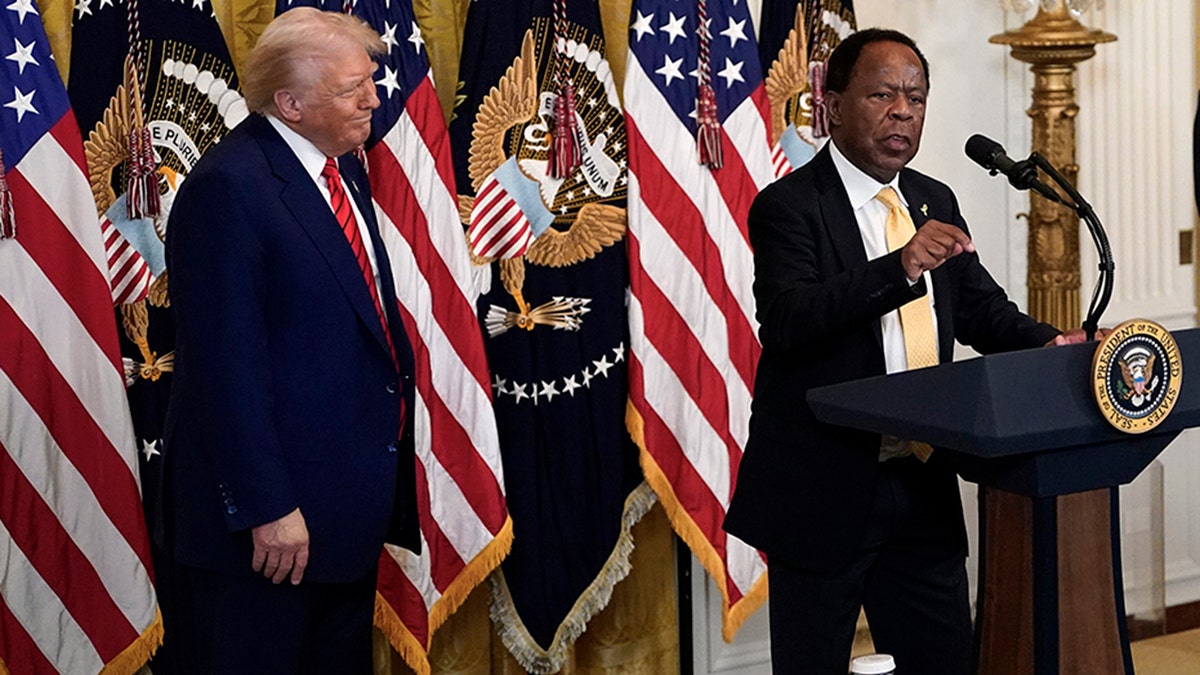
Leo Terrell, chairman of the DOJ Task Force to Combat Antisemitism speaks during a reception for Black History Month in the East Room of the White House on Feb. 20, 2026. (Pool via AP)
The federal Nonprofit Security Grant Program, administered by FEMA, currently allows at-risk institutions to apply for up to $200,000 per location. In practice, however, many organizations receive less than that amount, often after delays that can stretch one to three years, and demand for the program has exceeded available funding in recent years, with applications far outpacing the number of grants awarded, according to federal data.
Security experts add that the delay between identifying a threat and receiving funding can leave institutions without the protections recommended by security professionals during periods of heightened risk.
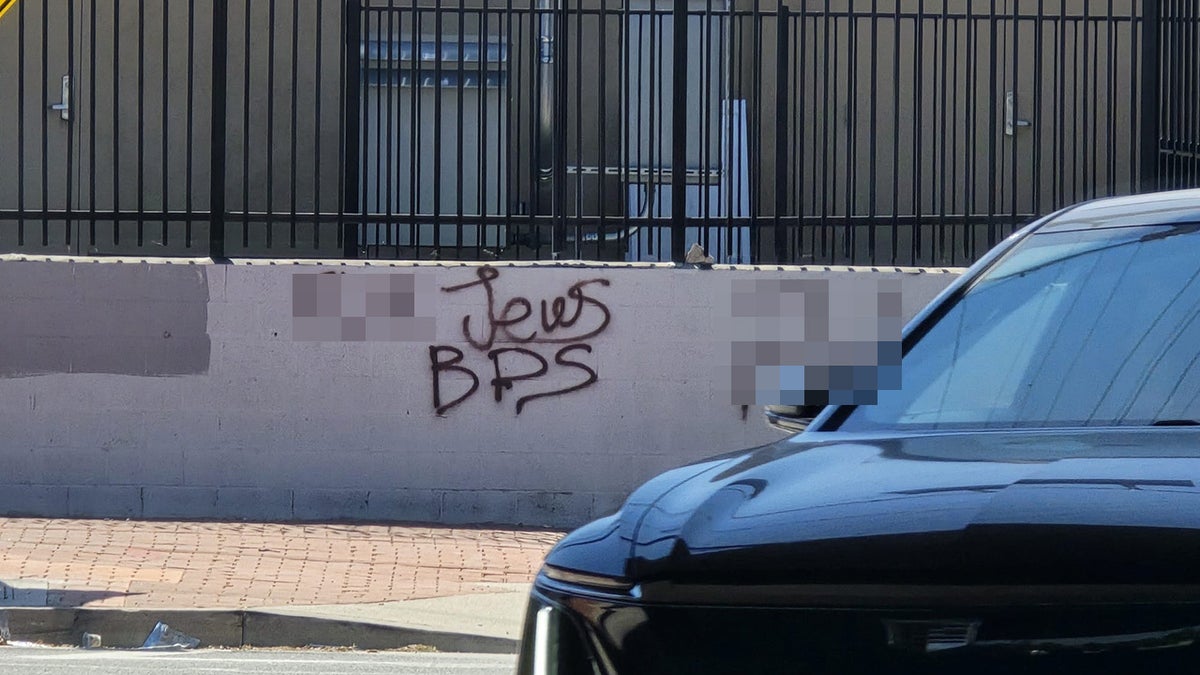
Antisemitic graffiti defaces Israeli-American Council HQ (The Israeli-American Council (IAC) national headquarters in Los Angeles)
To address those gaps, experts recommend layered security measures including trained personnel, reinforced entry points, surveillance systems, controlled access and emergency response training, which they estimate require between $400,000 and $500,000 in funding per location, roughly double the current federal cap. Security experts say both the funding level and the timeline for distribution have become central concerns as incidents continue to rise.
Steven Ingber, CEO of the Jewish Federation of Detroit, said much of the financial burden for security continues to fall on the Jewish community itself rather than being fully addressed through government support.
As that debate continues, officials are urging institutions to remain vigilant and maintain close coordination with local law enforcement, particularly during periods of increased tension tied to global events.
Fox News Digital reached out to FEMA for comment but did not receive a response.