
Share this @internewscast.com
The U.S. District Court for the District of Massachusetts intervened on Tuesday, imposing an administrative stay that halts the Department of Homeland Security’s (DHS) plan to rescind Temporary Protected Status (TPS) for South Sudan.
This decision, originally set to be enacted on January 6, would have affected roughly 232 South Sudanese individuals currently residing legally in the U.S. under TPS, along with about 73 who have pending applications. Without this stay, these individuals faced the threat of imminent deportation, according to court filings.
African Communities Together, in conjunction with several South Sudanese TPS holders, filed the lawsuit challenging the DHS’s move. They contended that revoking TPS would immediately deprive hundreds of their legal status, leaving them vulnerable to deportation and potentially exposing them to irreversible harm upon returning to South Sudan.
Judge Angel Kelley, appointed by former President Joe Biden in 2021, emphasized the legal complexities involved and highlighted the “serious, long-term consequences, including the risk of deadly harm” for those affected.
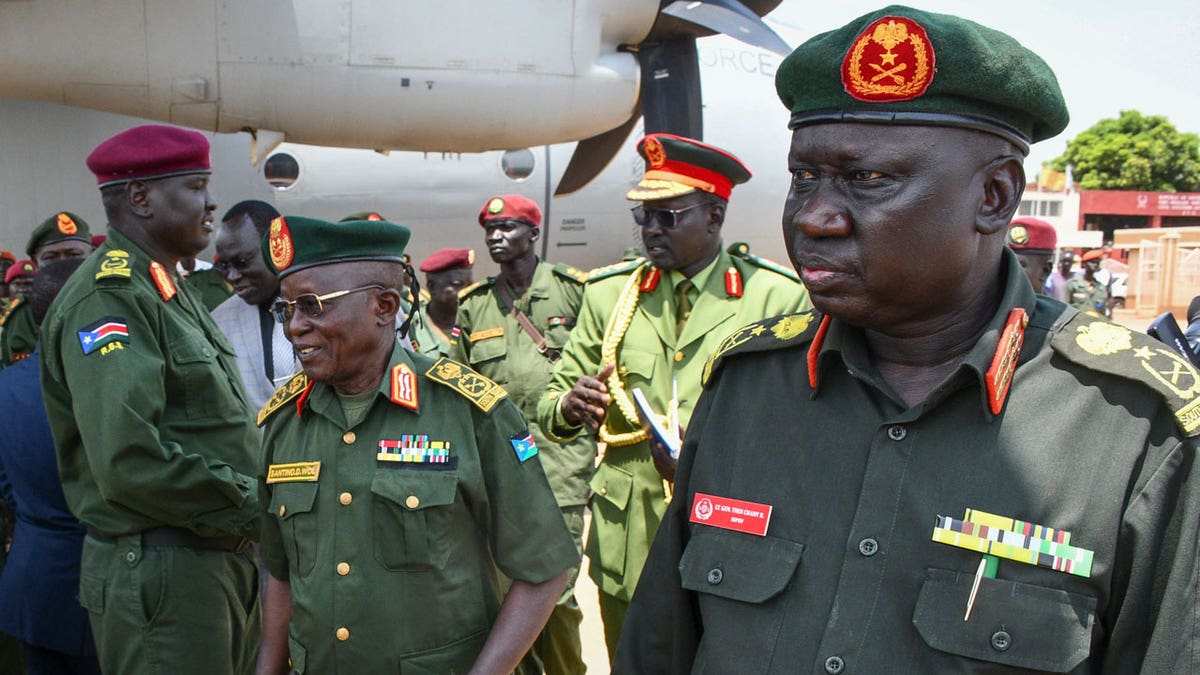
Reports from a United Nations panel have brought serious human rights allegations against numerous South Sudanese leaders, including Lt. Gen. Thoi Chany Reat, Deputy Chief of Defense Forces.
Due to the court’s intervention, South Sudanese nationals holding TPS or with applications in progress will maintain their legal status, as well as their work permits and immunity from deportation and detention.
South Sudan, a largely Christian country, gained independence in 2011 after a decades-long civil war with Sudan, a predominately Muslim country, making it the world’s youngest nation.
Fighting began in December 2013 between government forces, the South Sudan People’s Defense Forces (SSPDF), and opposition forces, the Sudan People’s Liberation Army, resulting in hundreds of thousands of deaths and nearly 2 million displacements, according to a report from the Global Data Institute’s Displacement Tracking Matrix.
A recent clash between the two forces in February has put civilians, particularly women and children, at extreme risk, with reports of conflict-related sexual violence, killings and abductions, according to the report.
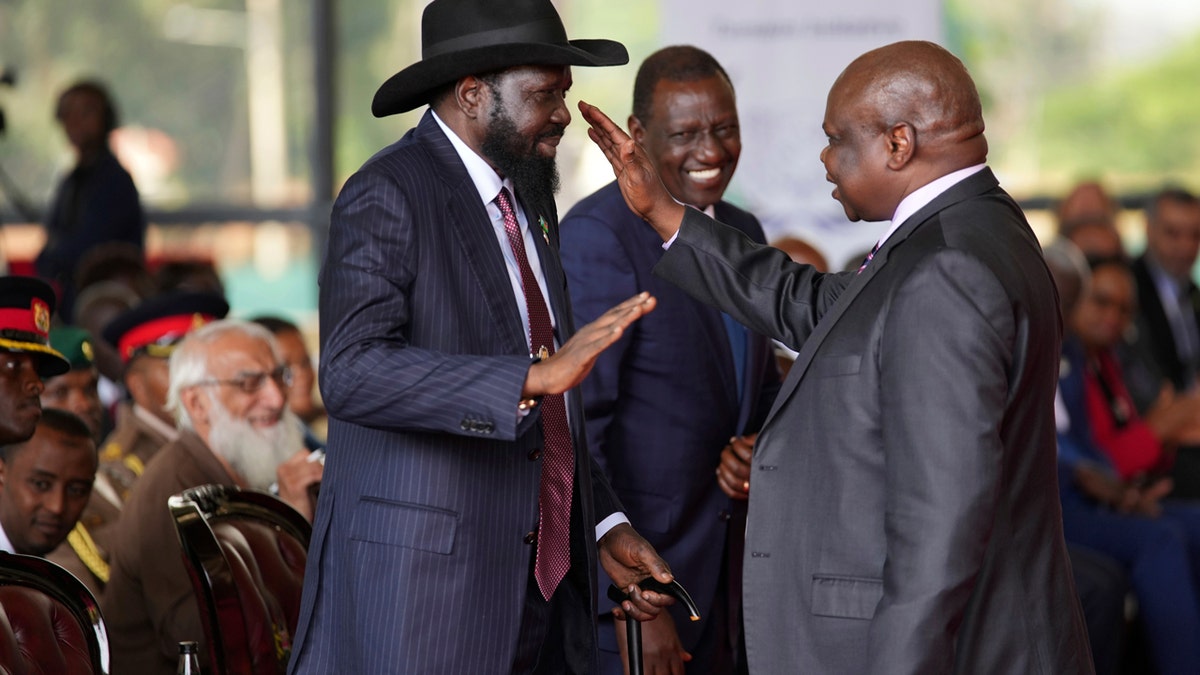
South Sudanese President Salva Kiir Mayardit, left, shakes hands with Pagan Amum Okiech, leader of the Real-SPLM group, during the launch of high-level peace talks for South Sudan in Nairobi, Kenya, on Thursday, May 9, 2024. (AP Photo/Brian Inganga)
Neighboring Sudan is also experiencing displacement and human rights concerns spurred by the 2023 split of an alliance between the government-led Sudanese armed forces and the paramilitary Rapid Support Forces (RSF).
About 12 million people have been driven out of their homes, with RSF forces accused of preventing access to aid workers and humanitarian workers and of committing “summary executions, mass killings, rapes, attacks against humanitarian workers, looting, abductions and forced displacement,” according to the U.N. Human Rights Office.
Drone strikes allegedly ordered by the RSF in early December struck a kindergarten and nearby hospital in Sudan’s South Kordofan region, killing 114 people, including 63 children.
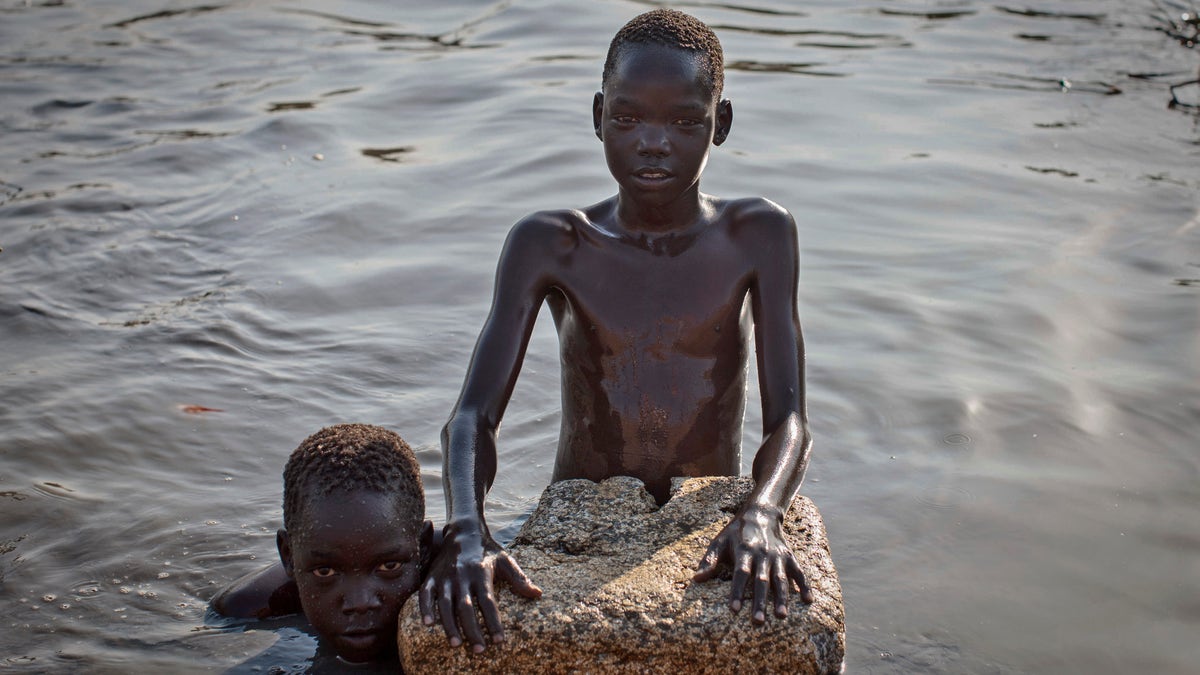
Young displaced boys bathe in a reservoir inside one of the camps for people who fled violence in the capital Juba, South Sudan, on Saturday, Jan. 11, 2014. (AP/Mackenzie Knowles-Coursin)
An administrative stay does not reflect a judgment on the merits of the case. DHS must file its opposition by Jan. 9, and the plaintiffs must file their reply by Jan. 13.
DHS did not immediately respond to Fox News Digital’s request for comment.