
Share this @internewscast.com
The recent arrest of Venezuelan leader Nicolas Maduro is poised to leave a significant imprint not only on Venezuela but also on the dynamics of international relations. Experts suggest this development may influence how the United States and its neighboring countries collaborate, particularly in the ongoing fight against the pervasive issue of drug trafficking.
In a bold operation, U.S. forces apprehended Maduro and his wife, Cilia Flores, during a raid on the presidential palace in Caracas over the weekend. The couple has since appeared in a Manhattan courtroom, where they entered not guilty pleas to charges of narco-terrorism and other related offenses.
Retired U.S. Navy Vice Adm. Robert Harward, who once served on former President George W. Bush’s National Security Council, weighed in on the situation. “I foresee a shift and renewed focus on tackling cartels,” Harward commented, emphasizing the potential changes this arrest could bring about.
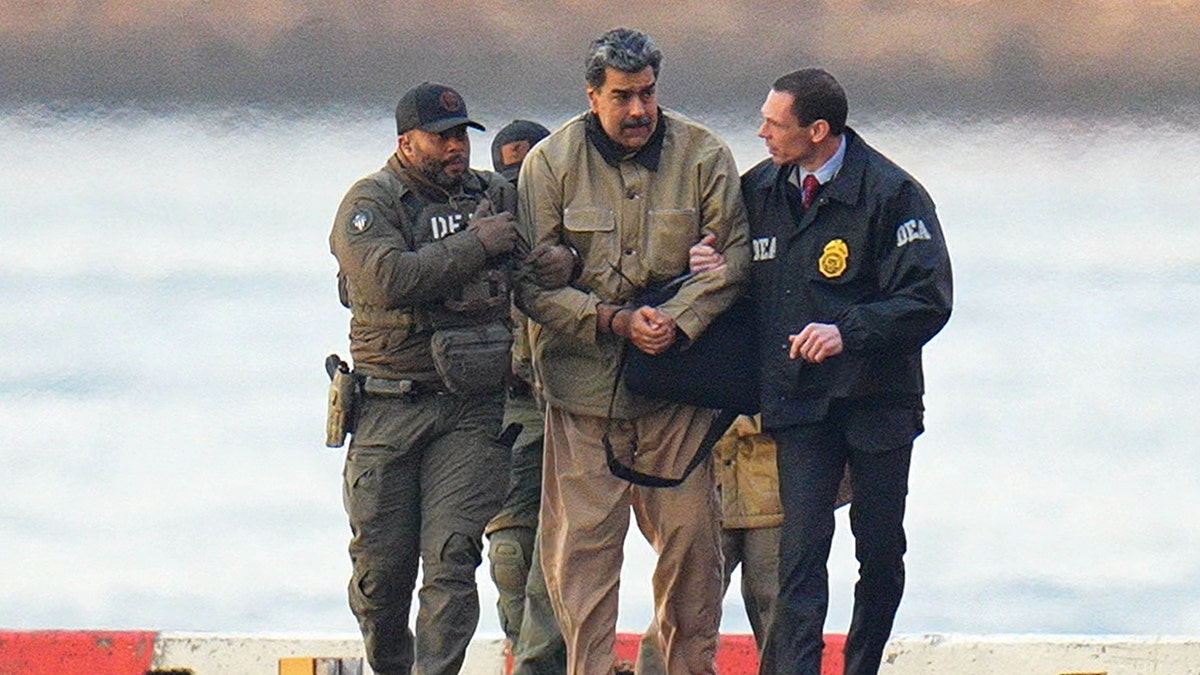
Images from the event capture a handcuffed Maduro arriving at a Manhattan helipad, flanked by heavily armed federal agents. The dramatic scene unfolded as he was transported in an armored vehicle to a federal courthouse in New York City on January 5, 2026.
This decisive action by the Trump administration marks a significant departure from previous U.S. foreign policy approaches, particularly when compared to former President Barack Obama’s handling of the Syrian conflict. Harward noted the contrast, recalling, “We set red lines multiple times regarding chemical weapons, yet each time those lines were crossed without substantial repercussions.”
“We said a red line three times, if you do chemicals, we’re going to do this,” he said. “Every time they raced past those red lines and we followed through with no actions.”
Now, he said, President Donald Trump has shown he’s willing to act in order to enforce his priorities.
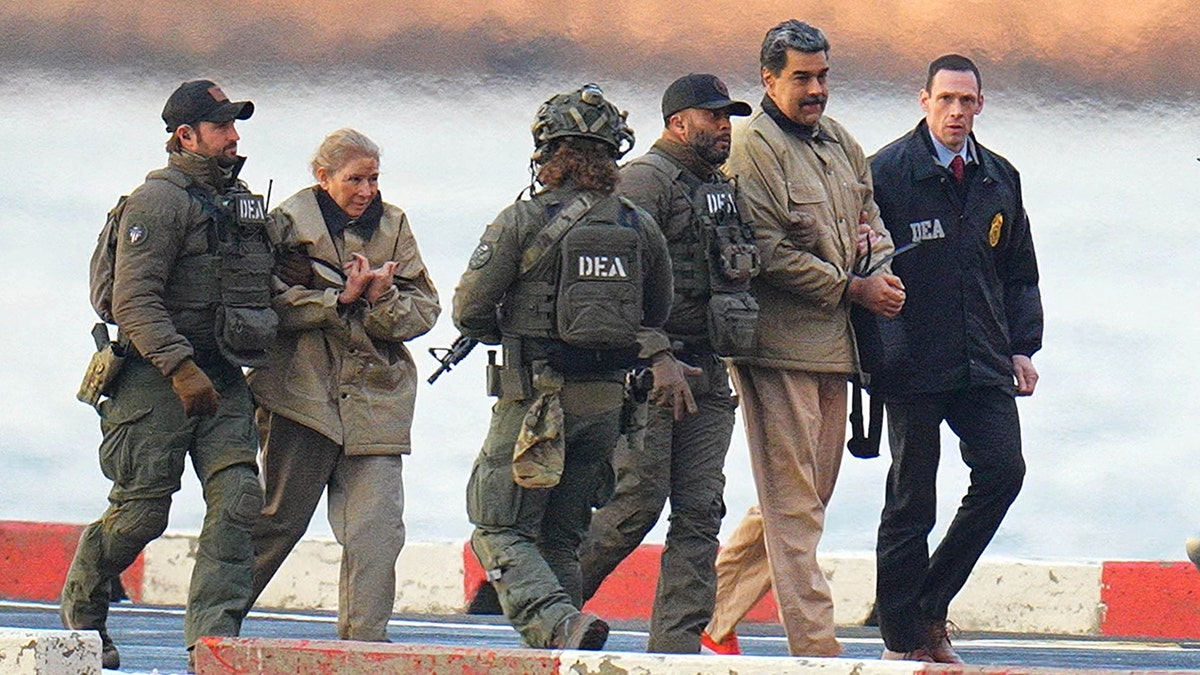
Nicolas Maduro and his wife, Cilia Flores, are seen in handcuffs after landing at a Manhattan helipad, en route to a federal courthouse in Manhattan on Jan. 5, 2026 in New York City. (XNY/Star Max/GC Images)
“If you’re going to come here and mess in our backyards, we’re going to address that,” Harward said. “That’s probably one of the most critical components of this Venezuelan operation. He set the policy, he reinforced it with his words, and then they acted.”
The message isn’t just to governments in the region, it’s also to drug cartels and other traffickers, Harward said.
“Don’t forget this started out taking out the drug boats, going after the supply side of drugs, not just for the damage it had to our people in our country, but also for the control they’ve had in these countries,” Harward told Fox News Digital.
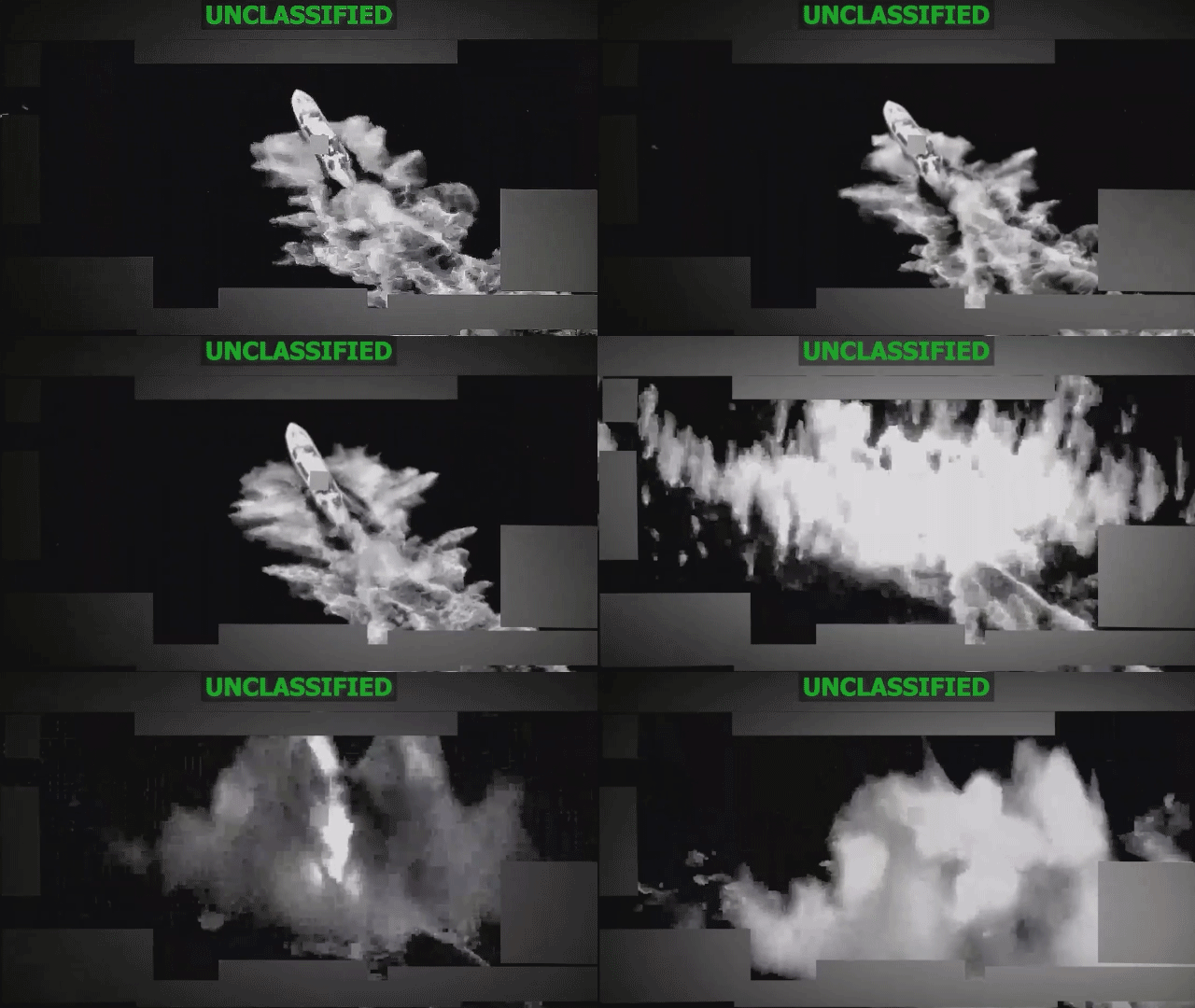
Video shows a kinetic strike on a narco-terror vessel in international waters from Wednesday, Dec. 31. (U.S. Southern Command via X)
He predicted that other countries may increase their cooperation with U.S. efforts to capture drug smugglers before they arrive on American soil.
“We’ve been in interdicting drugs coming not just out of Venezuela, but the rest of South America at sea for years, maybe there’s gonna be closer interdiction monitoring inside those countries, cooperation where we’re watching the ports,” Harward said.
Trump’s crackdown on narcotics trafficking has also coincided with a renewed focus on border security, something that was notably lax during most of former President Joe Biden’s single term.
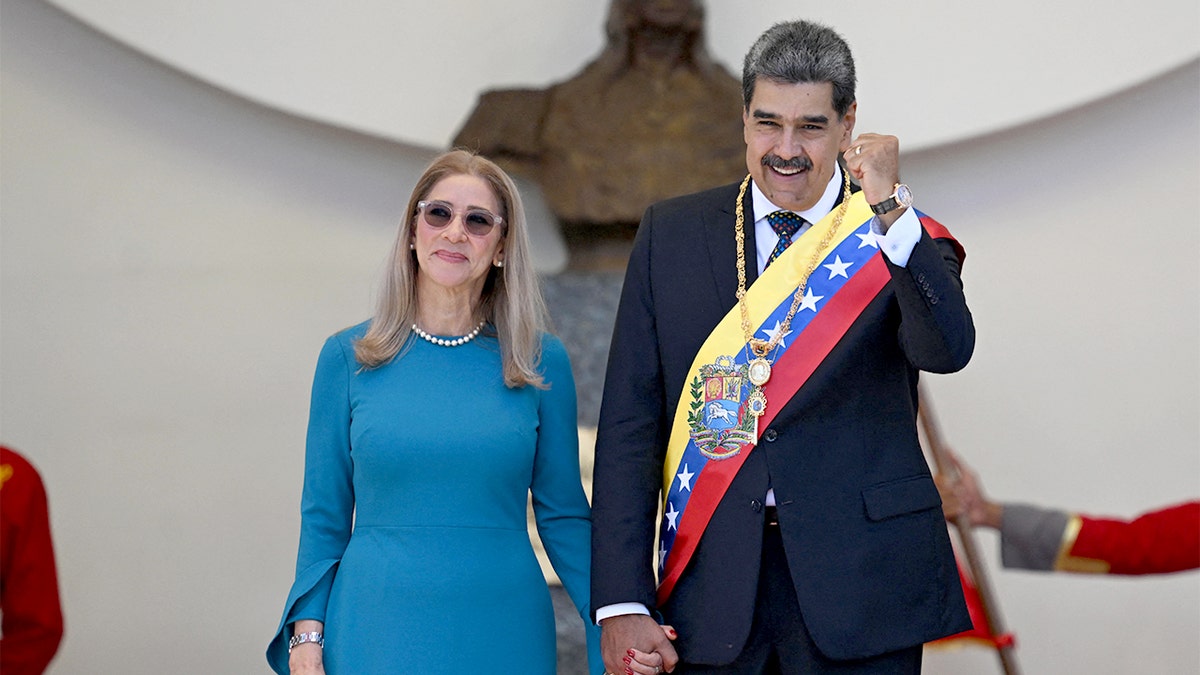
Venezuela’s President Nicolas Maduro gestures next to his wife Cilia Flores as they leave the Capitolio, home of the National Assembly, after taking the oath during the presidential inauguration in Caracas on Jan. 10, 2025. (Juan Barreto/AFP via Getty Images)
Provisional data from the Centers for Disease Control and Prevention shows that drug overdose deaths spiked under the Biden administration before dropping toward levels seen during Trump’s first term.
“The fall begins at the end of the Biden administration, but the question is, was it in anticipation of a tough on crime president coming in?” said Joseph Giacalone, a retired NYPD sergeant and adjunct criminal justice professor at Penn State Lehigh Valley. “Securing the borders has a lot to do with the drop as well, less chance for drug dealers and their mules to bring drugs into the country.”
Military strikes on alleged drug trafficking boats in the Caribbean may also serve as a deterrent, he added.
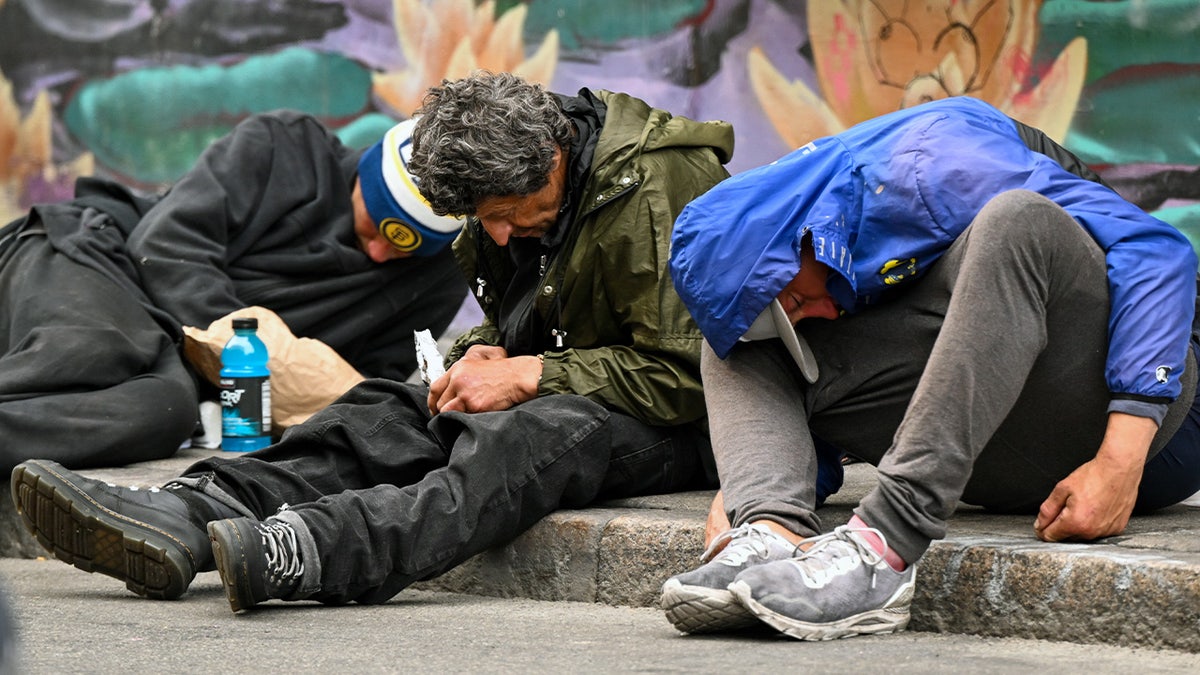
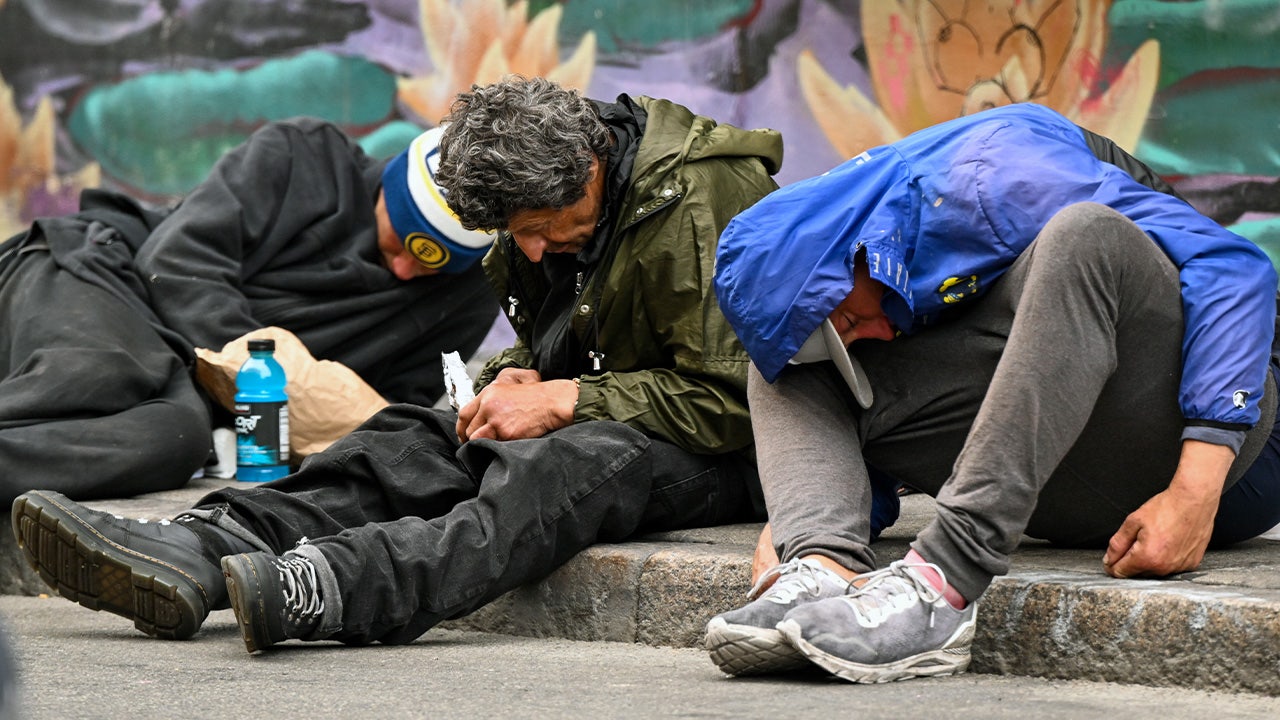
Homeless people amid struggles with fentanyl problems in San Francisco, California, United States on May 16, 2024. (Tayfun Coskun/Anadolu via Getty Images)
“Deterrence matters in criminal justice policy,” Giacalone said.
Trump invoked the Monroe Doctrine, a 19th-century policy of American influence over the Western Hemisphere, as part of his administration’s renewed focus on regional neighbors, even calling it the “Don-roe” doctrine in recent remarks.
Outside the drug trade, the Venezuela operation has greater global ramifications, Harward added, especially for countries allied with U.S. rivals Russia, China and Iran or countries trying to play both sides.
Amid reports of unrest and instability in Iran and Trump’s vocal backing of anti-government protesters, the theocracy could fall at some point this year, Harward said.
“We [would] really have altered the world order, not just for those regions, but for those proxies for Russia and China — the few allies they had in the world are being decimated,” he said. “And at the same time, it sends a clear message to those countries that are on the fence, trying to keep a foot in both camps.”