
Share this @internewscast.com
In a charged atmosphere at a recent city council meeting in Lewiston, Maine, a former city councilman made an impassioned plea against a newly proposed emergency ordinance. The ordinance, which restricts city employees from cooperating with federal immigration authorities, was ultimately approved by the council in a decisive 5-2 vote.
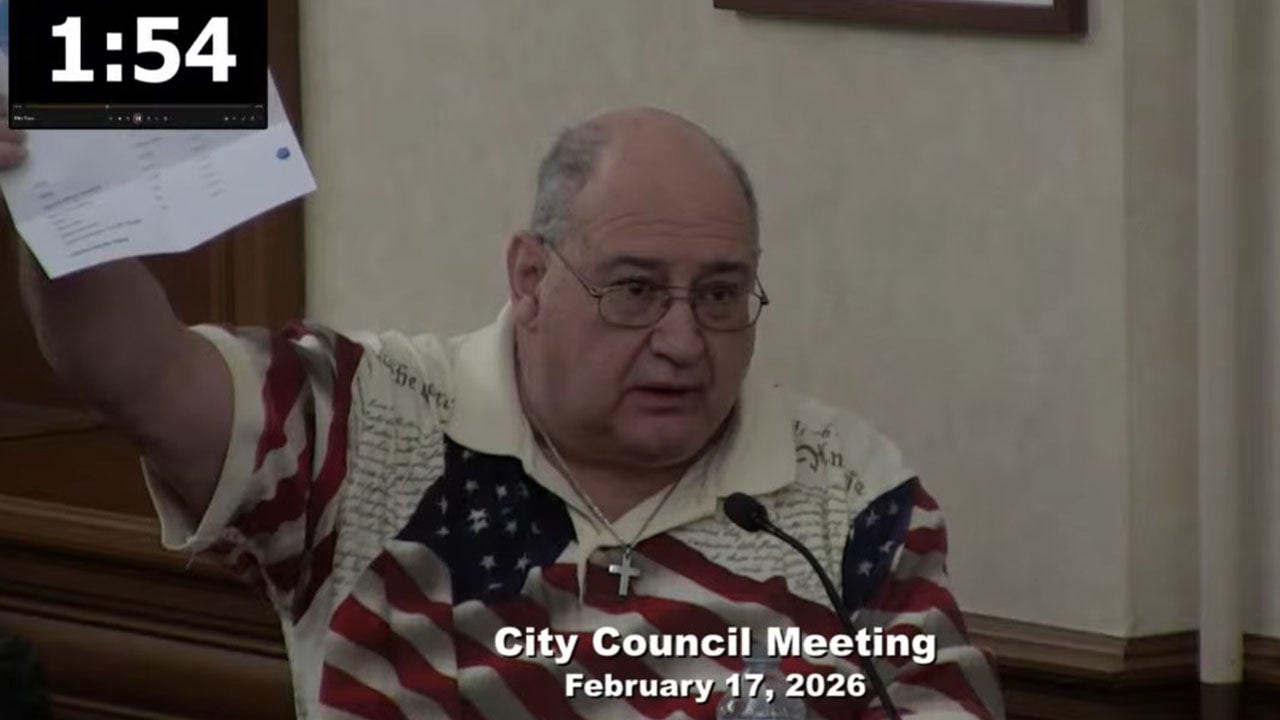
Among the voices that filled the room, former Lewiston City Councilor Tim Gallant stood out during the public comment period. He voiced strong opposition to the measure, questioning its implications for the city’s majority population. “My biggest problem with all this is you’re trying to support 10% of the city by the census in 2025,” Gallant argued. “What about the other 90%? What are you doing for them?”
The ordinance, while controversial, seeks to prevent city employees, including the police force, from collaborating with U.S. Immigration and Customs Enforcement (ICE). This decision comes amidst a broader national conversation about local law enforcement’s role in federal immigration enforcement.

Gallant further emphasized his point by referencing local crime statistics. “How many gunshot issues have we had since ICE came to town? How about zero?” he noted. “Look at the police blotter. Zero. When’s the last time we had three or four months of zero problems? But that doesn’t count. That’s not a crime problem, obviously, to the mayor.”
As the city grapples with the implications of this ordinance, it remains to be seen how it will impact not only the relationship between local and federal authorities but also the community dynamics within Lewiston itself.
“How many gunshot issues have we had since ICE came to town? How about zero?” he added. “Look at the police blotter. Zero. When’s the last time we had three or four months of zero problems? But that doesn’t count. That’s not a crime problem, obviously, to the mayor.”

Immigration authorities are often seen in photos facing backward to protect their identities following alleged incidents of doxxing.
Meanwhile, Matt Kershaw, a Marine veteran, said he supports the ordinance, calling it a responsible move.
“We had to lock the doors in our church because people were afraid to sit through the service,” he said, according to News Center Maine. “So whether or not that’s the intent, that is the effect. And I don’t think there’s anything ridiculous or over-the-top in exerting some reverse federalism here and saying, ‘You know what, until you guys figure this out, we’re not going to go along with this.’”
The emergency ordinance is similar to a recently passed state law that also limits cooperation with federal immigration officials, but that law won’t take effect until the summer.
The Lewiston ordinance will fill that gap in the meantime. Gallant noted the state measure in his remarks, saying city officials should be more concerned with public safety.
“You need to think about public safety and how we take care of it,” he said. “You need to think about how to get ICE back in here because if we didn’t have people who are illegal, they wouldn’t be here. You know, I keep hearing they’re hiding in their houses. If you’re not illegal, why do you hide in your house?”
Once passed, the emergency ordinance took effect immediately. However, it expires in 60 days. Lawmakers will vote whether to make the ordinance permanent at the next city council meeting.