
Share this @internewscast.com
Mattel has introduced a groundbreaking addition to its Barbie lineup with its first-ever doll designed to represent individuals with autism. This innovative creation was developed over the course of more than a year, with significant input from the autistic community to ensure authenticity and sensitivity.
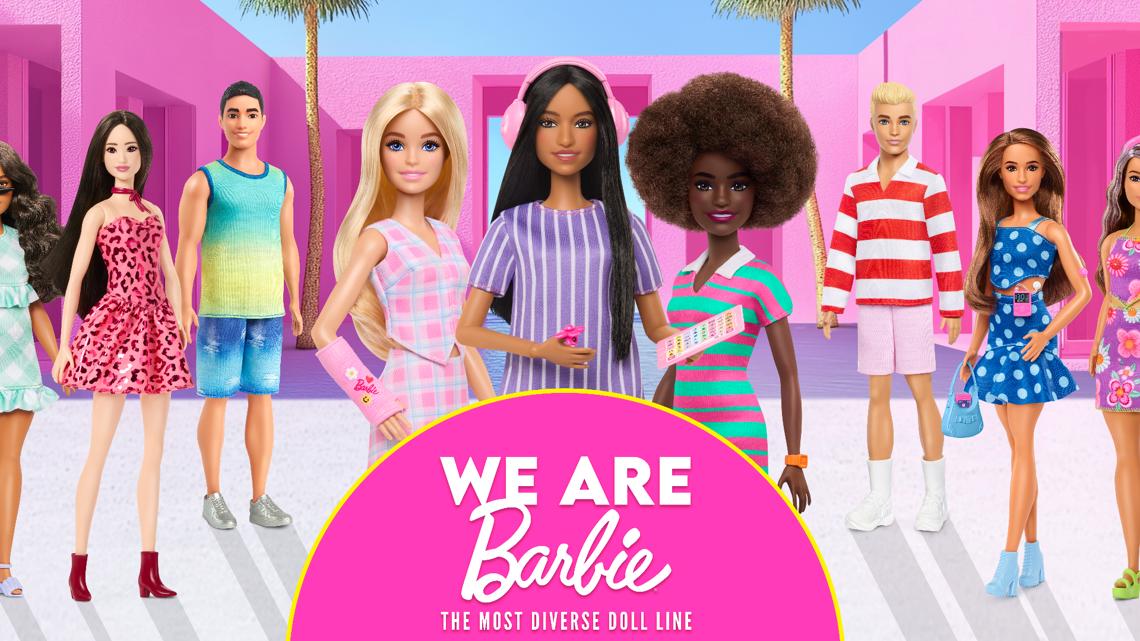
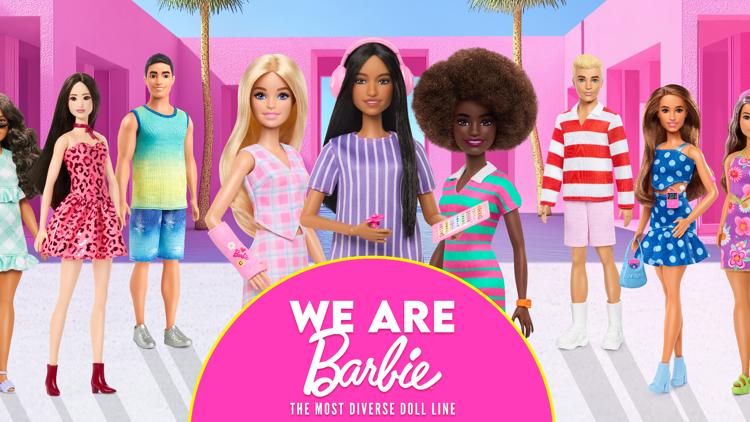
The new Barbie, a part of the Barbie Fashionistas series, was crafted in collaboration with the Autistic Self Advocacy Network, a nonprofit organization that champions disability rights for autistic individuals. The Fashionistas line is celebrated for its diverse representation, encompassing a variety of skin tones, hair textures, body types, and dolls that highlight medical conditions and disabilities.
“Barbie has always aimed to mirror the world children experience and the dreams they envision,” stated Jamie Cygielman, Mattel’s global head of dolls, in a press release. “We are thrilled to introduce our first autistic Barbie as part of our continuous commitment to inclusivity. With guidance from the Autistic Self Advocacy Network, this doll broadens the scope of inclusion, allowing every child to see themselves in Barbie.”
The announcement highlighted that the autistic Barbie doll features specific design elements to genuinely resonate with those on the autism spectrum. These include articulated elbows and wrists for stimming and hand-flapping motions, as well as a gaze that is slightly averted, mimicking the tendency of some autistic individuals to avoid direct eye contact.
According to a press release issued alongside the doll’s announcement, the autistic Barbie doll includes features intended to authentically reflect experiences that many people on the autism spectrum may relate to.
The doll has articulated elbows and wrists to allow for stimming, hand flapping and other gestures. Its eye gaze is shifted slightly to the side, reflecting how some autistic people may avoid direct eye contact.
The outfit, a purple pinstripe dress with short sleeves and flat purple shoes, was designed with sensory sensitivity in mind, using less fabric-to-skin contact and emphasizing comfort and ease of movement.
The doll also comes with several accessories tied to sensory regulation and communication, including a pink finger-clip fidget spinner that spins, pink noise-canceling headphones and a tablet displaying symbol-based Augmentative and Alternative Communication, or AAC, apps.
“As proud members of the autistic community, our ASAN team was thrilled to help create the first-ever autistic Barbie doll,” Colin Killick, executive director of the Autistic Self Advocacy Network, said in a statement. “It is so important for young autistic people to see authentic, joyful representations of themselves, and that’s exactly what this doll is.”
The doll is the latest in Mattel’s Fashionistas line, which features a number of dolls who have various medical conditions and disabilities. One recently released doll has Type 1 diabetes, while another has Down syndrome.
The autistic Barbie doll is now available on the Mattel website and through major retailers.