
Share this @internewscast.com
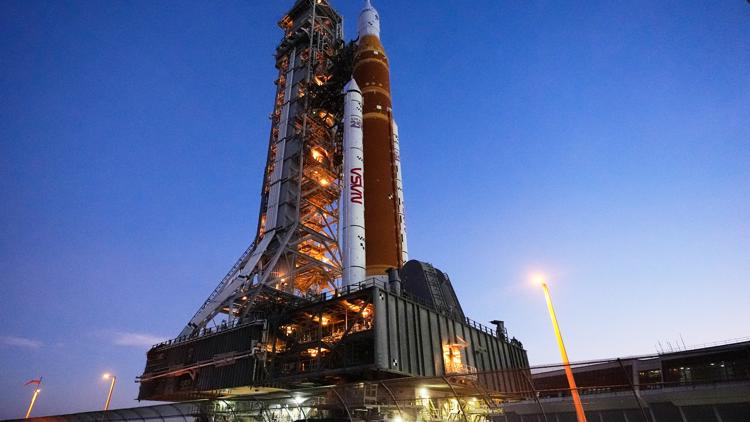
NASA’s newly appointed administrator has swiftly begun implementing significant changes to the agency’s lunar ambitions, despite only being in the role for a short time.
In Houston, the fresh leadership at NASA is introducing a strategic revamp of the Artemis mission, with a focus on enhancing safety protocols, reducing delays, and maintaining a competitive edge over China in the renewed race to explore the moon.
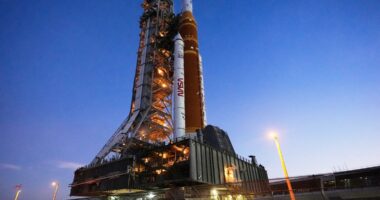
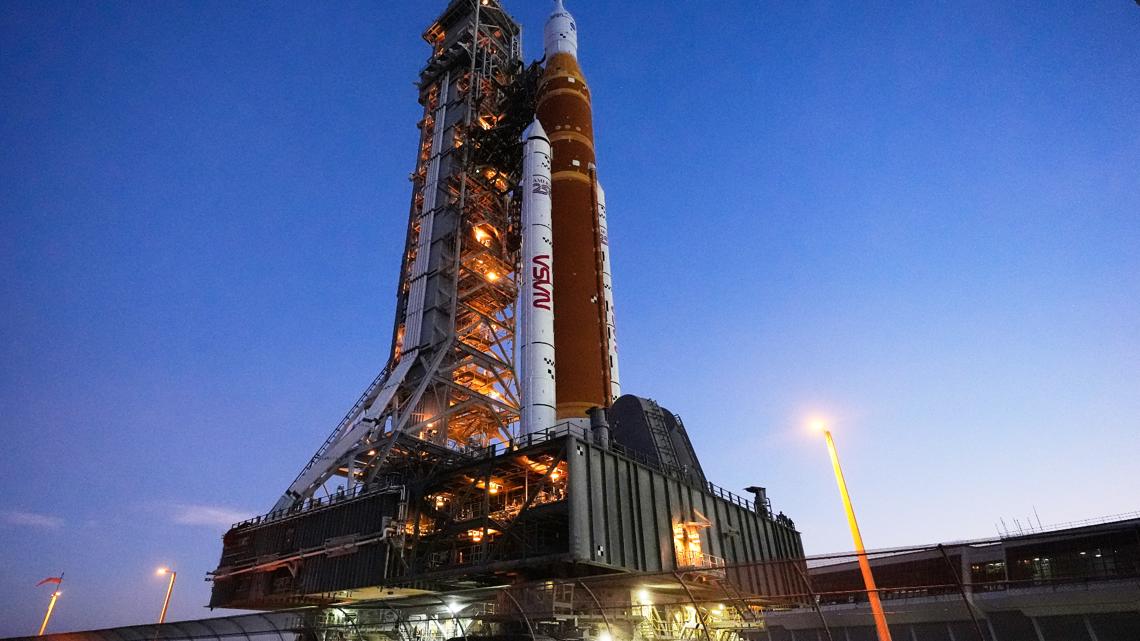
Jared Isaacman, who has recently taken the helm, is spearheading efforts to revitalize the Artemis program. This initiative has encountered numerous obstacles, primarily due to technical difficulties with the lunar mission’s rocket.
The proposed revisions include an additional Artemis flight scheduled for next year, succeeded by one or potentially two lunar landing missions targeted for 2028.
The urgency behind this initiative is in part driven by China’s advancing plans for a crewed mission to the moon. According to Isaacman, China’s aspirations are clearly communicated and present a competitive challenge.
The Artemis II mission aims to embark astronauts on a 10-day voyage around the moon but has suffered several postponements. Isaacman emphasizes that the revamped strategy is crucial for aligning NASA’s efforts towards achieving a successful American moon landing by 2028.
For now, Isaacman says the agency has what it needs to make that happen, with both the funding and the support from Washington behind it.
NASA said Friday it’s revamping its Artemis moon exploration program to make it more like the fast-paced Apollo program half a century ago, adding an extra practice flight before attempting a high-risk lunar landing with a crew in two years.
The overhaul in the flight lineup came just two days after NASA’s new moon rocket returned to its hangar for more repairs, and a safety panel warned the space agency to scale back its overly ambitious goals for humanity’s first lunar landing since 1972.
This story was first reported by KHOU, a TEGNA station based in Houston, Texas.