
Share this @internewscast.com
Christmas tree farmers resurge after Helene
In September 2024, Tropical Storm Helene wreaked havoc on several Christmas tree farms, leaving devastation in its wake. One farmer reported losing tens of thousands of trees, resulting in damages that reached into the millions.
BOONE, N.C. – As Hurricane Helene swept through Western North Carolina, it didn’t just bring widespread flooding. It also erased years of dedication and future holiday memories for the region’s Christmas tree growers. This season, these farmers are determined to revive their businesses.
North Carolina proudly stands as the second-largest Christmas tree producer in the United States, renowned for its Fraser firs. According to the North Carolina Christmas Tree Association, this species is often chosen to grace the White House as its Christmas Tree.
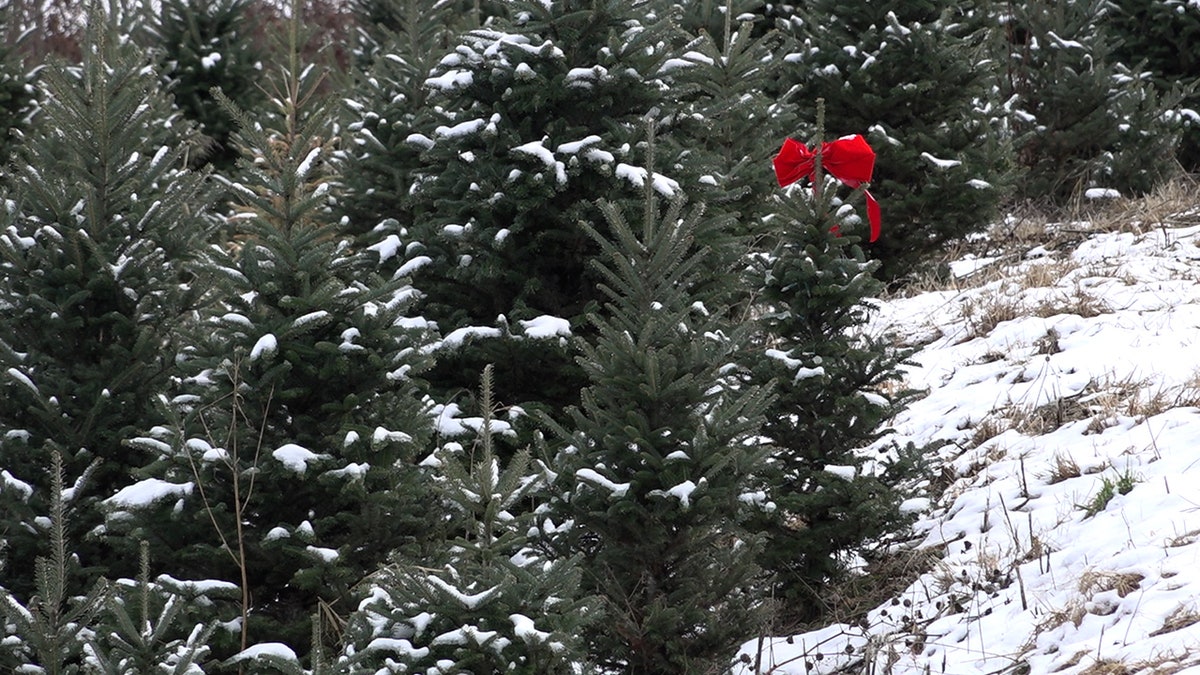
At Avery Farms in Newland, North Carolina, rows of Christmas trees stretch across the landscape. This farm is a testament to the region’s dedication to Christmas tree cultivation.
For many years, Waightstill Avery III has cultivated Fraser firs on his family farm in Newland, alongside other crops like corn and potatoes.
Avery describes the Christmas tree industry as a “long-term investment,” noting that some trees require nearly a decade or more before they’re ready for harvest.
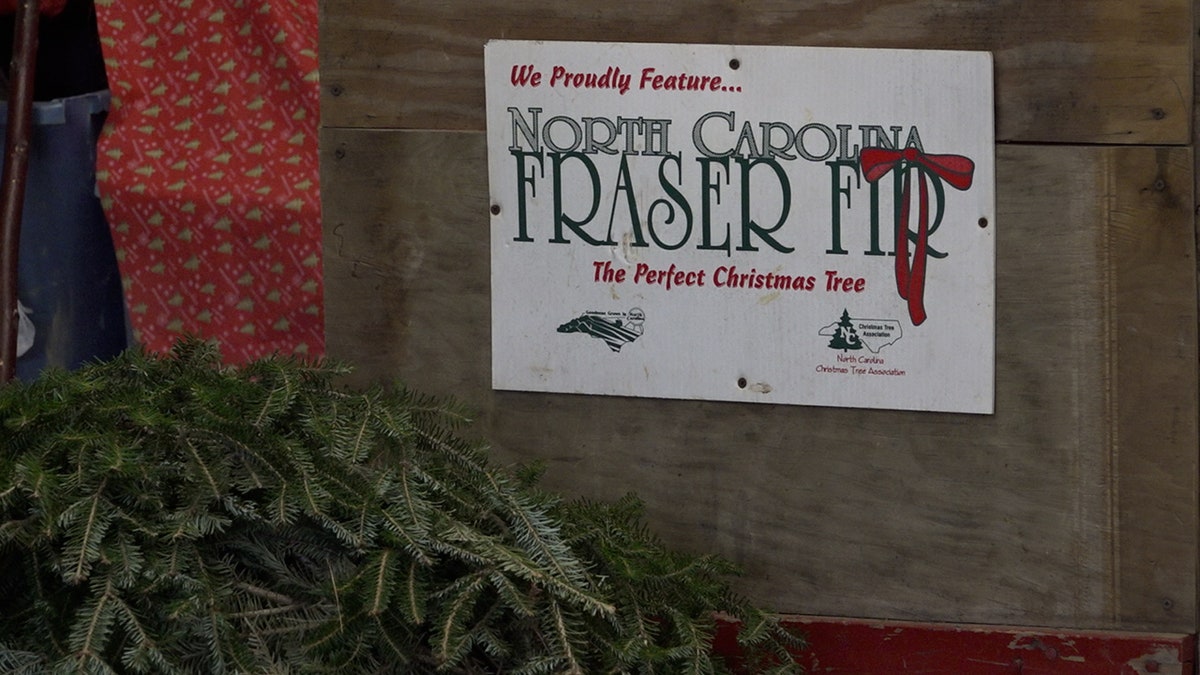
North Carolina Christmas Tree Association says the Fraser Fir is considered the nation’s best. (Chelsea Torres)
“It seems to be something you either love it or you hate it,” said Avery, who has been working every day since Helene washed through his farm to recoup his loss.
“As a tree grower, we probably took the biggest lick,” Avery said, adding that his farm lost “right around 64,000 trees.”
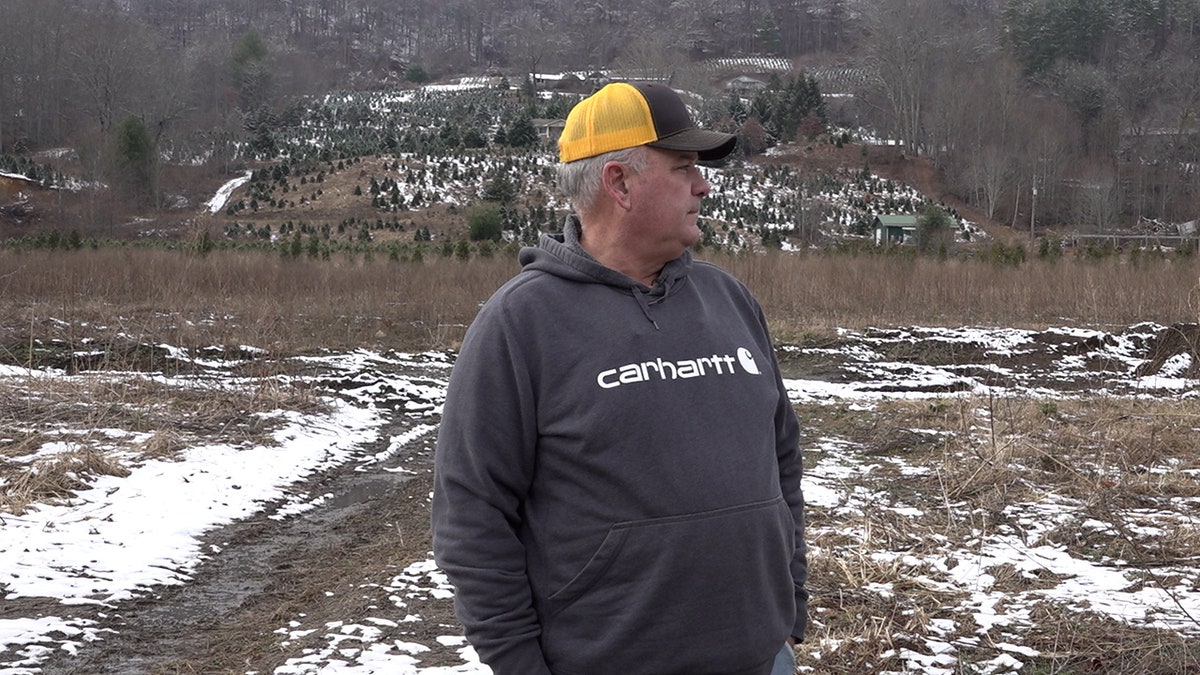
Avery Farms owner, Waightstill Avery says Helene caused more than $4 million in damages. (Chelsea Torres)
Avery said Helene caused about 20 acres of his farm to be under eight feet of water – years of hard work now covered in silt and mud.
In addition to the tens of thousands of trees lost, Avery said farm machinery and equipment were damaged, as well as the office and his home, which sits just feet from the farm.
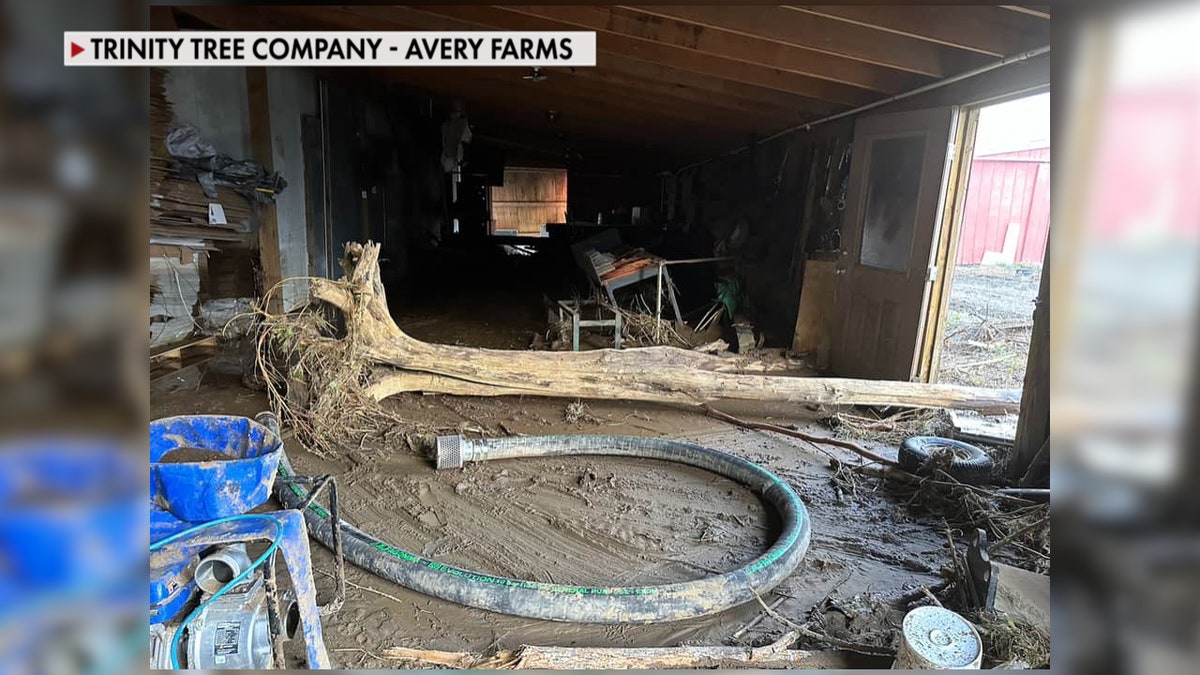
Avery Farms, a Christmas tree company, posted the damage done by Hurricane Helene on Facebook. (Trinity Tree Company – Avery Farms)
“We just moved into our home 3 weeks ago,” Avery said. “Total – when you figure the trees, we lost, equipment and everything else – we were about 4, 4.4 million dollars.”
When asked how the farm could come back from that, Avery replied, “Well, it was money that would’ve been made, it’s just not been made. So you just accept it and move on.”
Avery said he’s not sure what the full impact of Helene will be for a while, but tree supply is expected to fluctuate over the next six to seven seasons.
Joey Clawson, another Christmas tree grower just an hour away in Boone, North Carolina, said his family farm wasn’t damaged at all.
“Fortunately, with my farm we didn’t have creeks and rivers that we had to cross to get to our fields of trees,” Clawson said.
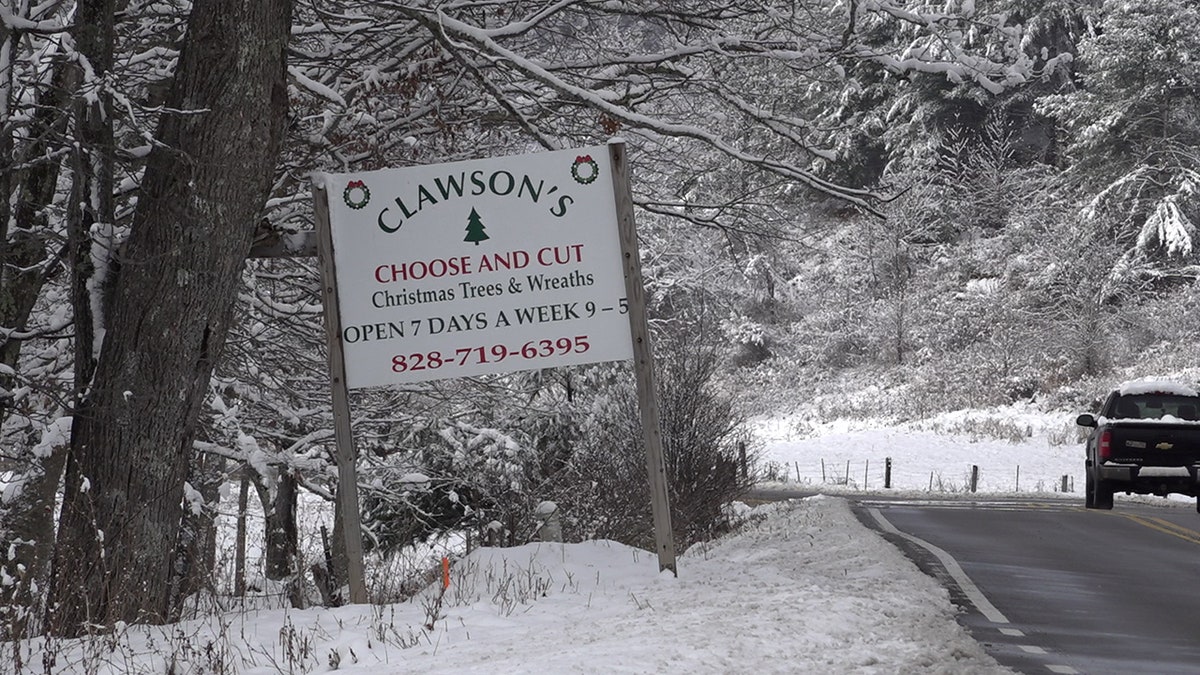
Clawson’s Christmas tree farm still selling trees until Christmas Day. (Chelsea Torres)
However, Clawson says growers were scrambling to get to their farms days after the storm blew through.
“They were panicking trying to get to their fields,” Clawson said. “Having to make makeshift bridges, bulldozers to just dig out and drive through the water if it’s not too high.”
He even said that a few farmers “were just wiped out.”
“Farmers have huge bills to pay every year. Farming is — it’s not for everybody,” Clawson said, adding that farming is a round-the-clock business and “you’re hoping for a paycheck.”
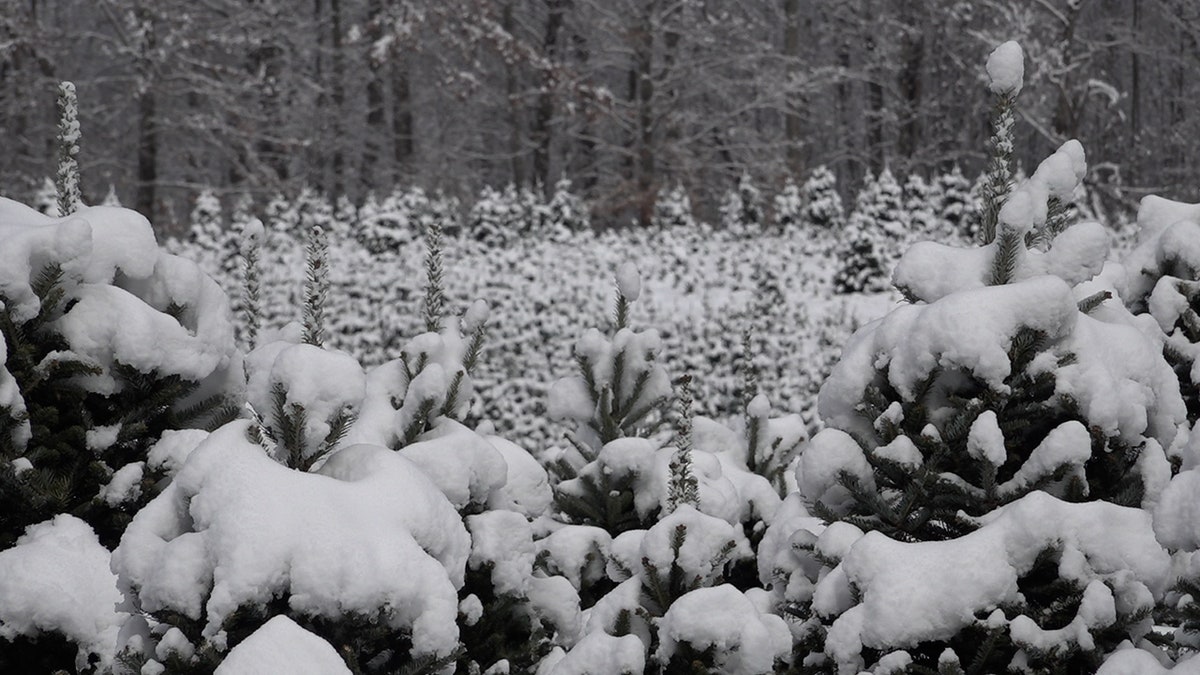
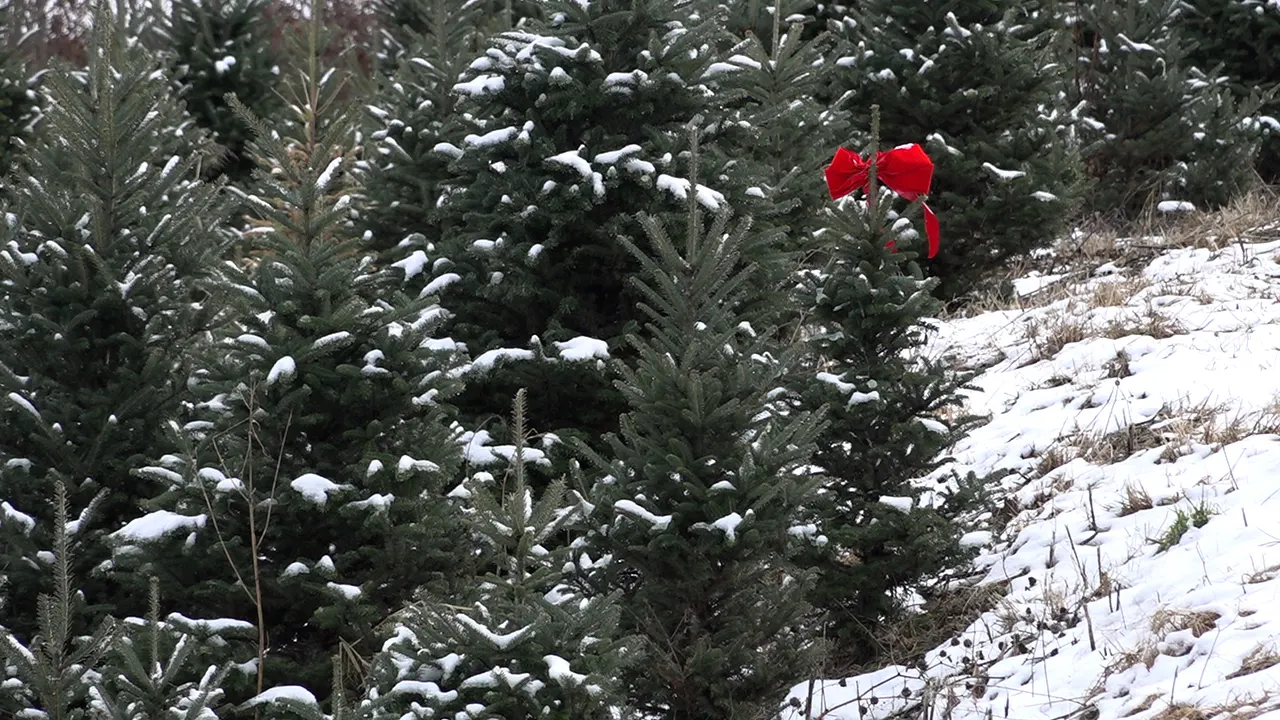
A field of Christmas trees covered in snow. (Chelsea Torres)
When Christmas tree season opened last year, Clawson said the community helped many farmers impacted by Helene get through it, and so far this year, business is holding steady.
“We’ve seen a resurgence of younger generations wanting a real tree,” said Clawson. “We’re really optimistic the next few years will be really good and increase sales.”