
Share this @internewscast.com

As the streets of New York City glow with festive lights, inside the pediatric emergency room where we work, it’s a different season—one of relentless coughs and soaring fevers.
Our state is currently experiencing its most severe flu outbreak on record, evident from the continuous flow of ailing children and anxious parents entering our facility. While some young patients only require a dose of Tylenol to reduce their fever, many others need respiratory treatments due to the combined impact of influenza and the harsh winter exacerbating their asthma. Additionally, intravenous fluids are necessary for those battling dehydration. For a few—particularly those with compromised immune systems, organ transplants, or previous intubations—the situation is critical, necessitating intensive care unit (ICU) admission. Despite shortages of blankets and at times, even beds, we attend to every child.
As the clock struck midnight last Thursday, marking the beginning of 2026 with the traditional Times Square ball drop, the contrast between the joyous celebrations outside and the challenges within our hospital reached new heights. This was the moment when our contracts, along with those of 20,000 other registered nurses, expired.
The scenario is reminiscent of a familiar refrain, akin to the notes of “Auld Lang Syne.”
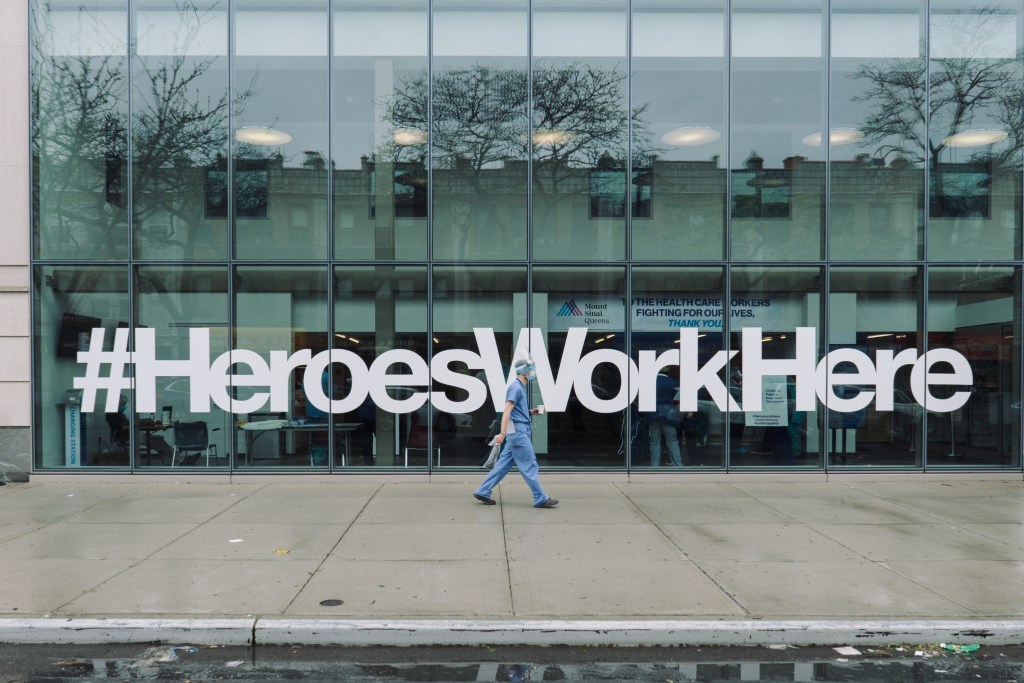
Three years ago, early in our nursing careers, we witnessed NYSNA nurses at two New York City hospitals, including ours, stage a strike. This action followed the COVID-19 pandemic, a public health crisis where nurses nationwide showcased their courage and indispensable role. Despite this, local hospital administrations resisted our calls for safe staffing levels and workplace respect. The three-day strike resulted in groundbreaking contract terms that established enforceable nurse-to-patient staffing ratios.
Now, an even larger strike is on the horizon, possibly involving up to 12 hospitals in New York City. New challenges are on the table, including defining the role of artificial intelligence in healthcare, addressing the increasing violence against healthcare workers, and assessing the impact of policies from the Trump administration on undocumented and transgender patients. Nevertheless, ensuring safe staffing and securing health benefits for caregivers remain central issues.
Hospital management has made clear their aim in bargaining is not a fair compromise. They are intent on reducing the power of our collective voice. Hospital management has disciplined more than a dozen union leaders for exercising our right to talk to colleagues about our union and our right to speak about workplace violence in the press. They’ve trucked in dozens of replacement nurses at high hourly wages, forced union nurses to train our own replacements, and threatened to deduct the tens of millions of dollars they’re gearing up to spend on scabs’ wages from our contract if we strike.
Mere weeks after an armed man came to our ER intending to shoot people, hospital leaders refused to negotiate improvements in workplace safety.
They’ve also pushed to roll back the historic enforceable safe staffing protections we fought for and won when we went on strike in 2023. Those staffing enforcements work: in 2024, independent arbitrators awarded Mount Sinai nurses who worked understaffed approximately $4.7 million in financial remedies in nine separate rulings.
There’s no denying that federal Medicaid cuts present a challenge to hospitals. But the outer borough safety-net hospitals will suffer the most from these cuts, not our wealthy academic institutions. As of September 2025, Mount Sinai had more than double the cash on hand than they had in 2017, even adjusting for inflation: nearly $600 million. In the first three months of 2025, Mount Sinai Health System posted more than $1.2 billion in revenue from our hospital, a 20% increase over the same period last year. Now, Mount Sinai is planning to spend $100 million on a building dedicated to AI.
Hospitals must always look for new ways to deliver better care for more people. But guess what? Hiring enough nurses, guaranteeing nurses health benefits, and protecting us from workplace violence — these are investments too.
We’re hopeful that our hospital, and its 11 counterparts around the city, will come around to realizing that nurses and our patients are worth such an investment. Ideally, we’ll get there without us going on strike again. But if we have to strike, we will, because nurses do what it takes to protect our patients.
We will be doing it tonight, ready to wipe a nose or save a life, explain a medication or hold a hand, ever hunting for another blanket.
Carey and Murphy are members of the New York State Nurses Association and pediatric emergency room nurses at Mount Sinai Hospital. The views expressed here are their own and not those of Mount Sinai.