
Share this @internewscast.com

In 2025, unpaid tolls by negligent drivers soared to almost $350 million, marking more than double the annual amount from three years prior, as per a recent analysis by the Metropolitan Transportation Authority (MTA).
This alarming increase follows the MTA’s transition to a “cashless” tolling system. In response, officials are urging state lawmakers to enact legislation enabling drastic measures, such as allowing the agency to place liens on the properties or bank accounts of habitual offenders.
According to the analysis, first reported by Streetsblog, “Preliminary data for 2025 suggest that the upward trend has persisted, and the measures implemented in 2024 have fallen short in curbing the effects of relentless toll evaders.”
The report highlights a significant jump from $147 million in unpaid tolls in 2022, partly attributed to issues like obscured license plates and repeat offenders disregarding mailed notices.
The MTA reported unpaid tolls reaching $202 million in 2024 and $187 million in 2023.
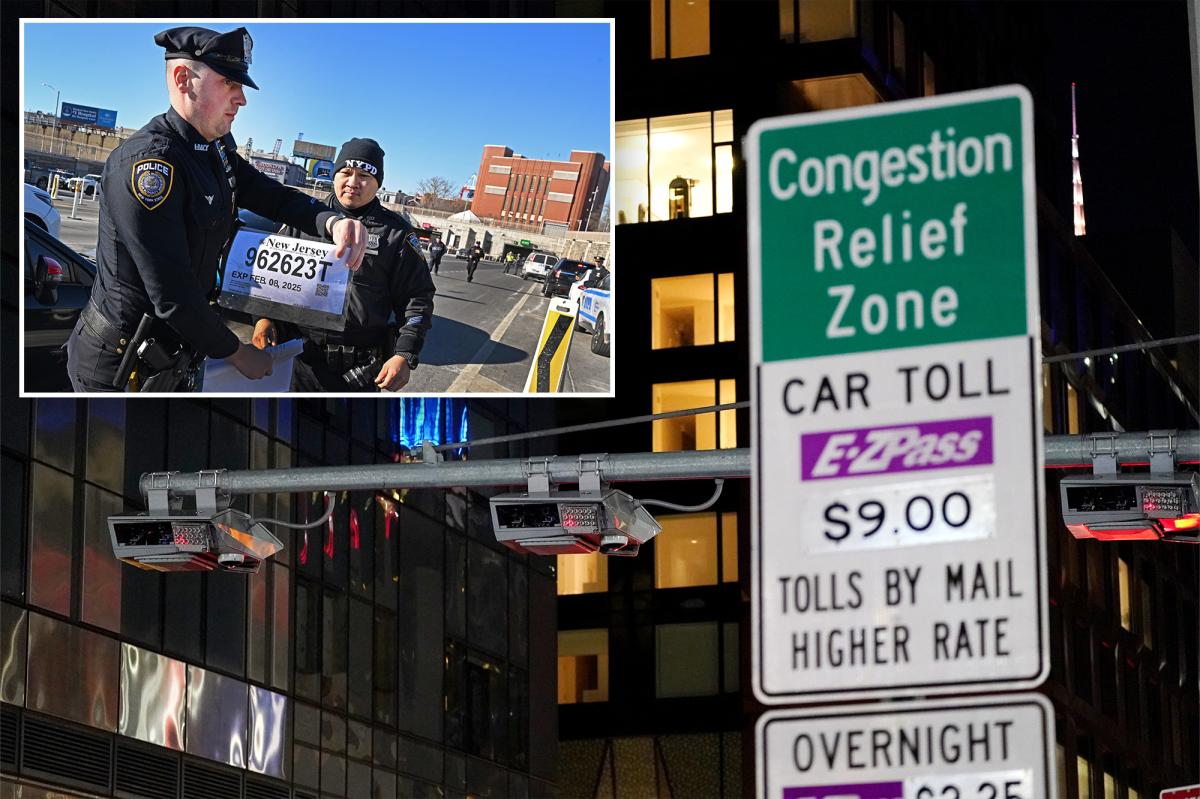
The dramatic $148 million increase from 2024 to 2025 dwarfs the $15 million year-over-year rise from 2023 to 2024. This surge coincided with New York’s introduction of a contentious congestion pricing scheme charging drivers entering Midtown Manhattan.
But at a Bridges and Tunnels committee meeting Monday, MTA officials took aim at drivers blocking their plates from toll cameras.
Summonses issued to “persistent toll violators” rose 42% percent in 2025 compared to 2024, with about 29,000 summonses issued last year, according to Edwin King, executive vice president of the MTA’s Bridges and Tunnels division.
The MTA defines a persistent toll violator as a driver who receives three separate violations within five years.
There were around 5,700 persistent toll violators last year, an increase of 30% compared to the year before, according to King.
Scofflaws also jacked up the value of unpaid tolls by using “ghost plates” or intentionally obscured or altered license plates to avoid toll cameras.
The MTA launched a multi-agency, regional task force to combat that persistent problem in March 2024. The effort has produced 75,000 summonses, 7,000 towed vehicles and 1,700 arrests, targeting drivers who collectively owe more than $66 million, according to Cathy Sheridan, president of MTA Bridges and Tunnels.
Still, officials said Monday they cannot close the gap without more help from Albany.
Lawmakers already approved a measure last year to increase financial penalties for covered license plates and to crack down on the sale of products that block license plates.
A new proposal under consideration by state lawmakers would also allow police to immediately remove illegal plate covers and add points to a driver’s record for repeated plate violations.
It would expand the MTA’s power to collect unpaid tolls by allowing the the authority to use liens once the toll debt becomes a court judgment, similar to other unpaid bills that end up in court.
The proposal would also make toll evasion a criminal offense classified as theft of service and prevent drivers from reregistering vehicles under someone else’s name to avoid penalties.
“None of these proposals target the everyday driver who accidentally misses a toll,” the agency’s analysis said. “This is about closing the gap on intentional, repeated bad behavior.”