
Share this @internewscast.com

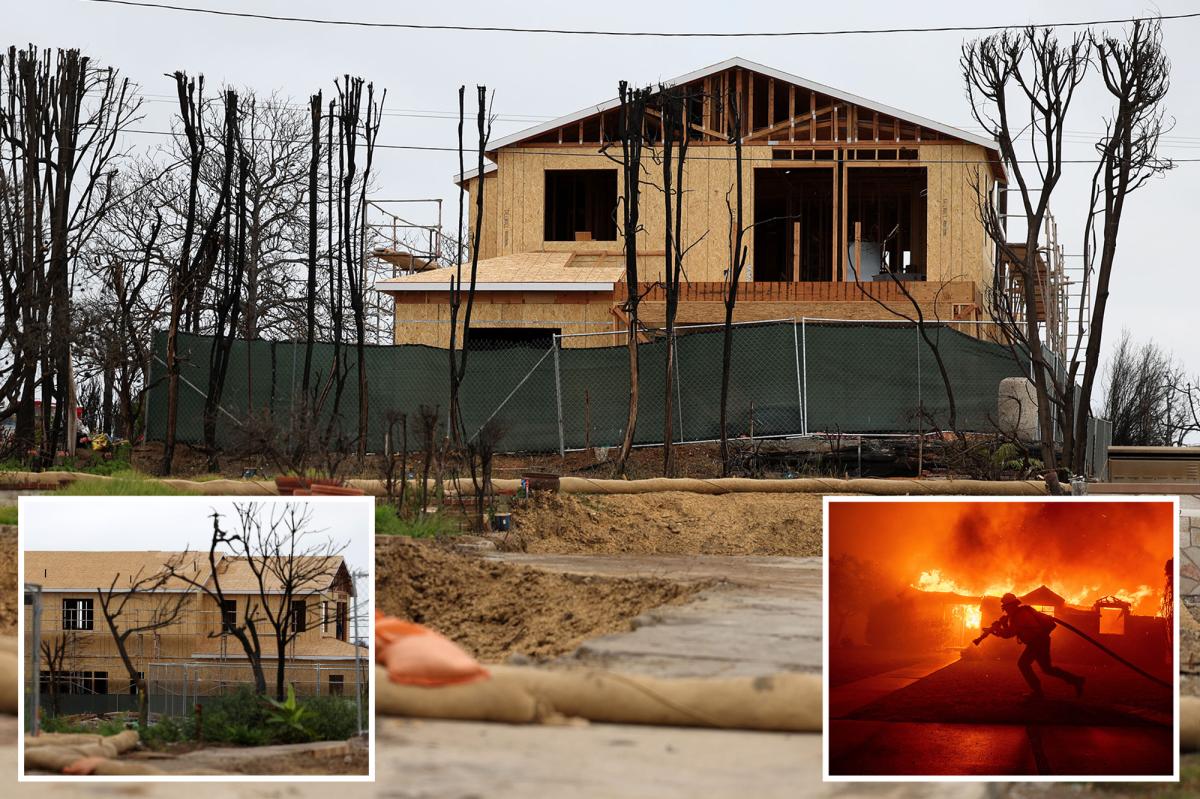
An ambitious recovery blueprint for the Pacific Palisades wildfire zone is set to channel nearly $1 billion into revamping the damaged infrastructure.
Spanning until 2033, the plan outlines over $650 million dedicated to burying electrical lines, after a staggering 57% of these were lost to the flames. Additionally, $150 million is earmarked for the overhaul of outdated and leaking water pipelines, according to a report by the LA Times.
These findings are the work of infrastructure specialists AECOM, who were engaged by Los Angeles city authorities at a cost of $5 million. There is also a $3 million reserve for AECOM to aid in the extended recovery strategy.
In a correspondence to the residents of Palisades, Los Angeles Mayor Karen Bass provided access to the detailed reports.
“Achieving full recovery is an enduring, multi-year challenge that demands ongoing collaboration,” she emphasized, “and it must remain a community-driven process.”
Download The California Post App, follow us on social, and subscribe to our newsletters
California Post News: Connect with us on Facebook, Instagram, TikTok, X, YouTube, WhatsApp, LinkedIn
California Post Sports: Follow us on Facebook, Instagram, TikTok, YouTube, X
California Post : Share your thoughts with us
California Post Newsletters: Subscribe now!
California Post App: Get it here!
Home Delivery: Subscribe today!
Page Six Hollywood: Join here!
“This past year has been unimaginable for the Palisades community, but I remain committed to supporting you through every step of the recovery.”
The reports focused on three things: public infrastructure restoration, wildfire resilience, and logistics and traffic management once construction gets underway.
Some of the things that stood out in the report include:
- That almost “all” local streets within the Palisades-particularly in the Alphabet Streets, Rustic Canyon and Castellammare areas-are narrower than permitted by the city fire code.
- A “majority” of long, dead-end streets did not meet fire code, allowing fire engines to have enough space to turn around.
- Evacuation warning fatigue from “frequent false alarms” made residents hesitant to leave the area.
It also found that simply clearing vegetation around homes was “not enough” to “meaningfully reduce wildfire risk in the Palisades,” due to its topography and dense vegetation.
In response, the city needs to work with state and county land managers on measures such as “cutting gaps in vegetation for firefighter access, maintaining defensible space around community infrastructure” and restoring native plants.
The report outlined other improvements like “building larger pipelines and additional tanks to move and store more drinking water; improving connections between local water systems; and tapping stormwater, treated wastewater” or even water from the Pacific.
It also included improving water pressure by “installing pressure monitoring systems” that could “ensure water availability and prevent dry hydrants by streaming live data to fire crews.”
Mayor Bass has come under fire for the response to the deadly blazes, including for leaving the country just days before they ripped through Southern California, leaving the city unprepared.
Earlier this month, The California Post obtained the original draft of the Palisades After-Action Fire Report — before it was quietly altered and released to the public.
One of the most damning edits had to do with language acknowledging insufficient resources to “suppress a wind-driven vegetation fire,” with the department attempting to be “fiscally responsible by not fully augmenting and pre-deploying all available resources in preparation for a rare wind event.”