
Share this @internewscast.com
President Donald Trump is preparing to meet with top executives from the oil industry on Friday. This meeting is part of a broader effort aimed at encouraging major U.S. energy corporations to resume operations in Venezuela.
Despite the outreach, there remains significant hesitation within the oil sector about investing tens of billions over the next decade to revitalize Venezuela’s oil infrastructure. Sources familiar with the preparations for the White House meeting indicate that industry leaders intend to avoid making any immediate investment commitments, citing the country’s current instability as a major deterrent.
To date, sources reveal that neither Trump nor his senior advisors have unveiled a comprehensive plan for rebuilding Venezuela’s energy sector or ensuring its future stability.
“They’re improvising,” remarked one insider involved in the industry’s preparations for the forthcoming discussion at the White House.
Nevertheless, oil companies might reassess their stance if conditions improve, given the substantial profits to be had from tapping into Venezuela’s vast oil reserves.
Rule of law
In the meantime, Venezuela’s military continues to exert influence over the state-run oil company, Petróleos de Venezuela, SA (PDVSA). The nation’s energy infrastructure is plagued by theft, and oil executives have previously warned U.S. officials about the risks of hostage-taking and potential backlash from local communities against foreign extraction of natural resources.
“There are gonna be parameters that have to be put in place before there’s a significant investment in Venezuela,” said Mike Summers, CEO of the oil industry lobby, American Petroleum Institute, on Fox News Thursday. “One, we have to establish the rule of law.”
In meetings with Trump officials, oil executives have pressed for details on how the White House plans to ensure employees and equipment sent into remote areas of Venezuela stay safe. The answers from the administration have been unsatisfying so far, people familiar with the conversations said, though Energy Secretary Chris Wright has acknowledged the scale of the challenge.
Wright on Wednesday told CNN’s Jake Tapper that “to make the very big, long-term investments, we’ve got to get the government in a better place where they’ve got secure rule of law, national security, and that’s a process.”
Political stability
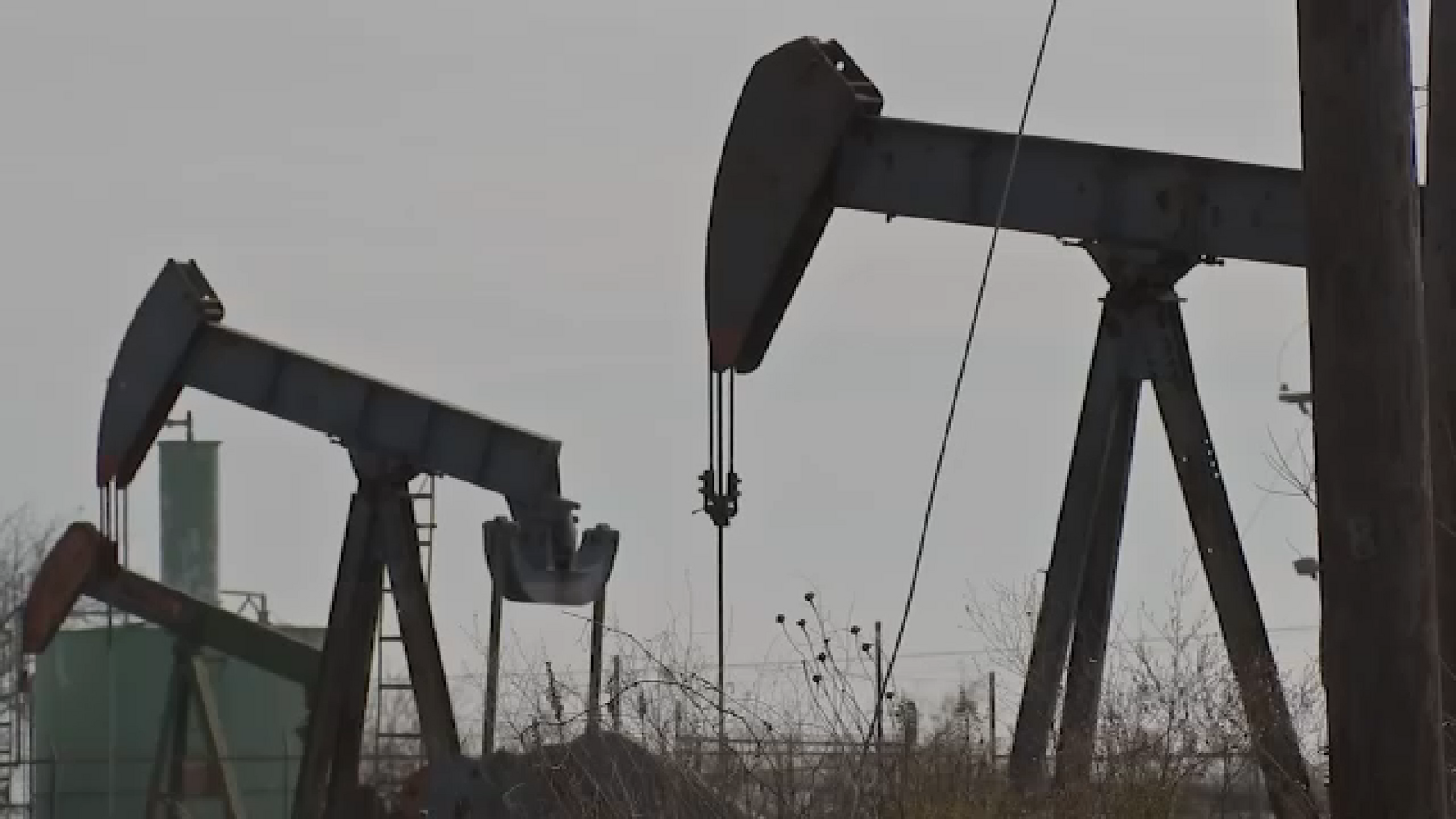
To return Venezuela’s production to pre-socialism levels, the oil industry would need to lay pipelines, set up drilling rigs, build port infrastructure and install reliable electricity, among other projects. That would cost more than $10 billion a year and take more than a decade to pay off, according to a consensus from industry experts, insiders and Wright.
The United States could be on its 49th president by then, and Venezuela would need to remake its government as a democracy and resist potential uprisings.
“Oil companies aren’t going to be bullied into spending money in a risky country or with risky terms,” said Dan Pickering, founder and chief investment officer at Pickering Energy Partners.
Guarantees from the Trump administration may last only as long as Trump is in power – and can maintain control over Venezuela’s government. That’s unlikely to comfort the oil industry that new Venezuelan and US governments don’t change the rules on them years down the line.
“The word of this administration is nowhere near enough. This takes a very strong political consensus, and we’re very far from that,” said Ryan Kellogg, deputy dean of the University of Chicago’s Harris School of Public Policy.
Repeal of sanctions and oil laws
In private prep sessions ahead of Friday, oil executives worried Trump will demand on-the-spot commitments. Instead, they discussed touting their ability to increase Venezuelan production by hundreds of thousands of barrels per day in the coming months, the people familiar with the discussions said.
But that would come with a condition: that the administration lift key sanctions and provide some of the supplies needed to move Venezuela’s heavier crude oil.
The Trump administration said it would remove some sanctions placed on the country as a precursor to U.S. oil companies returning to Venezuela. But the country also has strict laws governing foreign oil companies, requiring businesses to enter into public-private joint ventures that pay 30% royalty fees and a 60% income tax.
“Venezuela has a very unfavorable fiscal regime – why would you go to a place like that?” said Luisa Palacios, the former Citgo chairwoman and current managing director of Columbia University’s Center on Global Energy Policy. “This is a very difficult company to operate in – not even the Chinese can operate in this country.”
Debt repayments
Many foreign energy companies, including Eni, Repsol, ConocoPhillips and ExxonMobil, had their assets seized by Venezuela in 2007 and were booted out of the country. They’re collectively seeking tens of billons of dollars in compensation from PDVSA.
“Exxon is going to remember what happened to it there,” said Kellogg. “At least some of that would need to be repaid – but the money isn’t there to pay them back.”
Wright told CNBC Wednesday that companies that return to Venezuela would eventually be repaid via proceeds of oil the US government is marketing but that the near-term focus of those profits is to restore Venezuela’s economy.
Financial guarantees
With only moderate investment and a working relationship with the US government, Venezuela could probably get its existing oil fields back to their operating capacity from a decade or so ago, before U.S. sanctions fully kicked in, according to Palacios. Anything more than that would require serious money – and time.
That’s why financial guarantees, low-cost financing, reimbursements or other incentives may prove crucial to attracting oil companies to Venezuela. The administration has suggested it could offer government-backed financing, funding some level of political risk insurance or otherwise backstopping private sector investments in Venezuela.
“Fiscal terms, backstops and guarantees will all matter very much,” said Pickering. “U.S. government backstops could speed things up, but it’s very unclear if these will be offered.”
A ‘barrage’ of interest
But industry experts agreed: Under the right conditions, Venezuela will attract significant long-term interest from oil companies.
There’s a massive amount of oil there. That’s what made Iraq too big for foreign companies to ignore two decades ago, despite an unstable political environment.
That’s why Wright told CNN he’s been “barraged” with interest from oil companies about the Venezuela opportunity. The Trump administration “won’t be twisting anyone’s arms,” Wright said, but it will work to get Venezuela’s political stability on a surer footing – and acknowledged that process would take time.