
Share this @internewscast.com

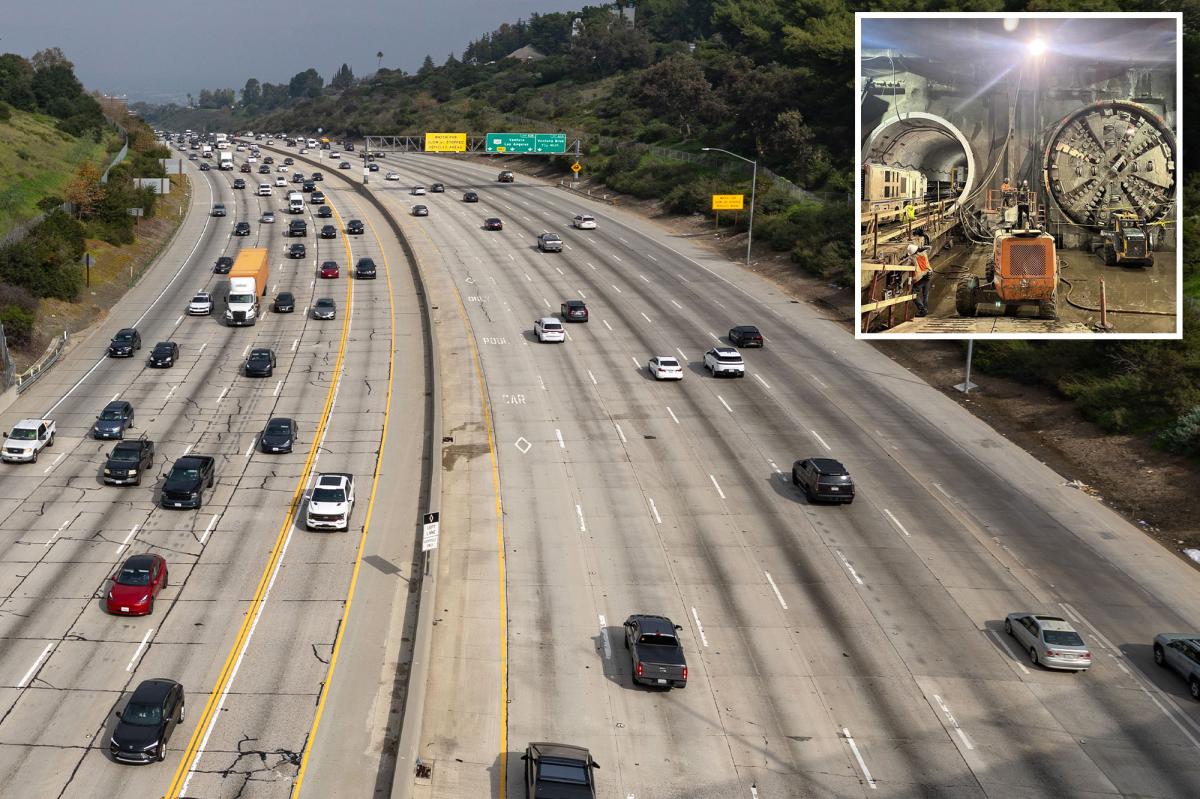
Los Angeles residents, who are all too familiar with the grueling crawl along the 405 Freeway, might soon experience a breath of fresh air in their daily commutes. A billion-dollar infrastructure initiative is set to transform this notorious traffic bottleneck into a more manageable travel experience.
After extensive deliberations, the LA Metro Board has given the green light to an ambitious underground heavy rail subway project. This development aims to alleviate the chronic congestion plaguing the Sepulveda corridor, a well-known source of frustration for countless commuters.
Once completed, the new train service promises to whisk passengers along the corridor in just 18 minutes—a stark contrast to the typical 90-minute ordeal endured by drivers navigating the famed pass. This reduction in travel time is poised to make a significant impact on daily life for many Angelenos.
The project’s estimated cost stands at a staggering $24 billion, reflecting its scale and complexity. The planned automated subway will trace a path beneath Van Nuys Boulevard, through the pass, and extend all the way to Santa Monica. According to Metro’s official site, the route will boast stops at key locations, including Ventura, Wilshire, and Santa Monica Boulevards.
Various potential solutions were on the table before this decision, including a monorail that would hover above the freeway. Ultimately, the board’s choice for an underground rail underscores a commitment to an effective and lasting transit solution.
Many options were considered, including a monorail high above the freeway.
Elon Musk has been a critic of LA spending billions on building tunnels, offering up his Boring Company as a much cheaper way of digging underground.
Boring Company tunnels are much more narrow and designed for electric vehicles rather than high-capacity trains, with smaller stations and fewer safety systems.
405 Traffic along the Sepulveda Pass has been unbearable for decades. It’s been called the busiest freeway in the world, and congestion has habitually plagued the gateway to the Valley from the Westside.
The subway could be an up hill battle, residents in the Bel Air area have expressed opposition to expansion in the past, saying that underground work could be catastrophic in the event of a big earthquake.
It will take years to complete the project. Metro says we may not see the subway completed until 2038.