
Share this @internewscast.com
A new fat-busting drug that is available as a jab or tablet helps patients lose up to a quarter of their body weight, studies suggest.
People who received higher doses of amycretin as a weekly injection lost 24.3 per cent of their body weight after 36 weeks of treatment.
And those taking daily tablets lost an average of 13.1 per cent of their body weight after 12 weeks, the early stage trials found.
Weight loss jabs have been hailed as transformative by NHS leaders.
But tablets could be the next big breakthrough in the nation’s fight against obesity as they are likely to appeal to a wider audience who are uncomfortable with injecting themselves.
An estimated 1.5million Britons use weight loss jabs, which have been either prescribed through specialist weight loss services or private prescriptions.
GPs will be able to dish out fat jabs from next week.
Amycretin, made by Novo Nordisk, helps to control blood sugar and appetite by targeting two specific receptors in the body—GLP-1 and the amylin receptor.

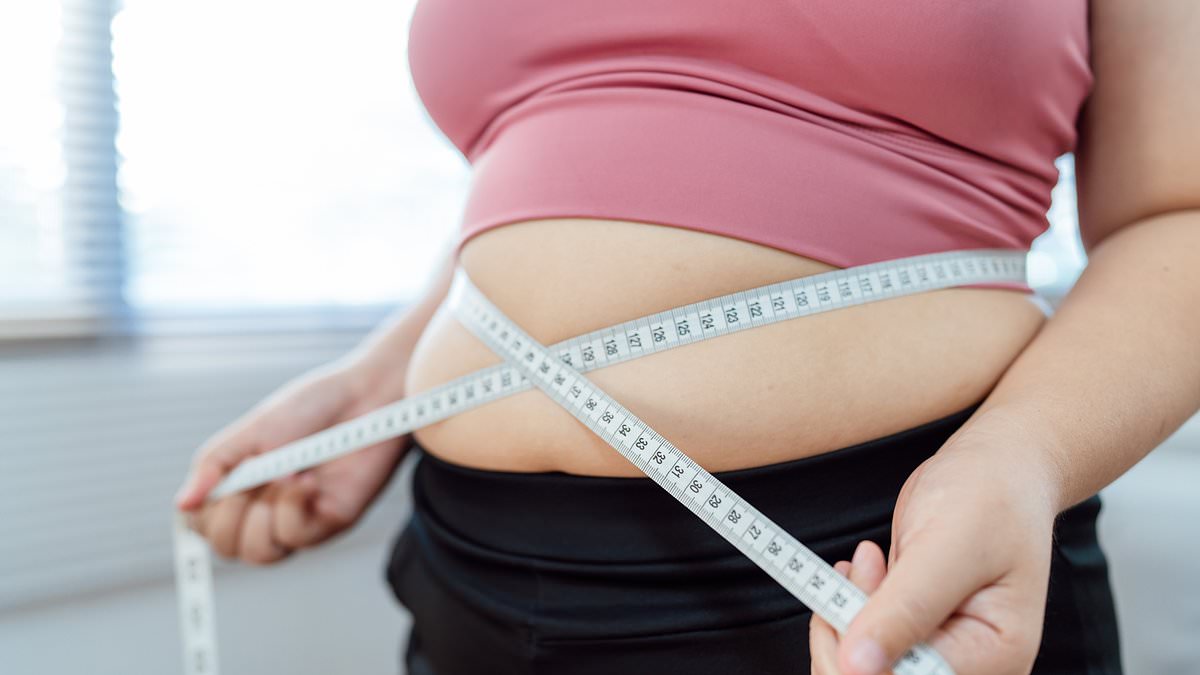
Those taking daily amycretin tablets lost an average of 13.1 per cent of their body weight after 12 weeks. Stock image
In comparison to amycretin, trials pivotal to getting semaglutide—the ingredient behind Ozempic—approved, show it helped users shed up to 15 per cent of their body weight over 68 weeks.
And studies have found rival jab Mounjaro can help obese people lose up to 22.5 per cent of their body weight in 72 weeks.
The new amycretin trial involved 125 adults, who took weekly injections of the drug.
Those taking the highest dosage (60mg) lost 24.3 per cent after 36 weeks of treatment. It also showed signs in improving blood sugar levels.
Side effects included nausea and vomiting and were mostly mild to moderate and resolved by the end of treatment, according to findings published in medical journal The Lancet.
‘These phase 1b/2a data support the potential of once-weekly subcutaneous amycretin as a therapeutic for people living with overweight or obesity,’ the authors wrote.
‘Amycretin appeared safe and tolerable, and there were significant reductions in body weight after 36 weeks of treatment.’
The second early trial, published in the same journal, assessed amycretin in tablet form in 144 people over 12 weeks.
There were mild to moderate side effects including loss of appetite, nausea and vomiting.
Researchers found that people taking the highest dose of 100mg per day, lost 13.1 per cent of their body weight over four months.
The authors wrote: ‘Amycretin effectively lowered body weight and improved metabolic and glycaemic parameters in people with overweight or obesity.
‘Longer studies with more participants are warranted for evaluation of the safety and efficacy of amycretin in individuals living with obesity and type 2 diabetes, and to optimise the dosing regimen.’
The studies were also presented at the American Diabetes Association’s Scientific Sessions in Chicago, in the US.
It comes as a separate study, which was published at the same meeting, examined the effects of weight loss jab Wegovy at higher doses.
Researchers found that giving patients 7.2mg of Wegovy, also known as semaglutide, once a week led to an average weight loss of 20.7 per cent, with a third of participants losing 25 per cent or more of their body weight after 72 weeks.
GLP-1 injections suffered global shortages after celebrity users sparked a surge in popularity and the NHS has warned people against buying them from unauthorised sources.
Professor Sir Stephen Powis, national medical director at NHS England, last week told the NHS ConfedExpo conference in Manchester that weight loss jabs could be doled out as widely as statins if competition in the market brings their price down
The country’s top doctor warned obesity costs the NHS £11.4billion every year and described the financial burden as ‘unsustainable’.
From Monday, GPs will be able to prescribe the fat jab mounjaro – also known as tirzepatide – for the first time, in what he labelled an ‘exciting milestone’.