
Share this @internewscast.com
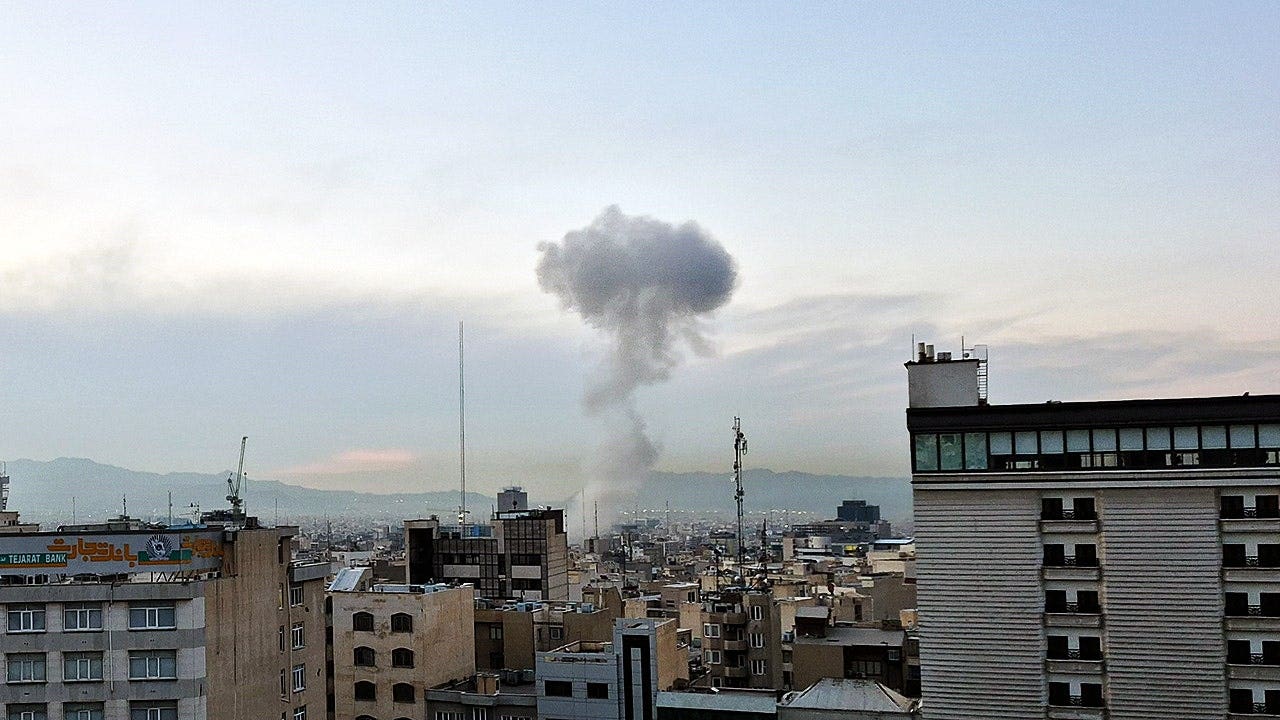
In a significant development, Iran’s new Supreme Leader, Mojtaba Khamenei, has been left severely disfigured following joint U.S.-Israel airstrikes on Tehran back in February, according to a report by Reuters released on Saturday. The strikes, which took place on February 28, were also responsible for the death of his father, the former Supreme Leader Ayatollah Ali Hosseini Khamenei.
Since sustaining injuries to his leg and face, Khamenei has been recuperating and has not made any public appearances since his hospitalization. However, despite his physical injuries, sources close to him report that he remains “mentally sharp.” Reuters, citing three anonymous insiders from Khamenei’s circle, confirmed that he is in active communication with Iranian representatives involved in peace discussions with a U.S. delegation, which is being led by Vice President JD Vance in Pakistan.
The report from Reuters aligns with earlier claims made by Secretary of War Pete Hegseth. On March 13, Hegseth informed the media that Khamenei was “likely disfigured” due to the airstrikes. He reiterated this assertion during a press briefing on Thursday, where he highlighted the U.S. military’s accomplishments in Iran.
In related diplomatic efforts, Vice President JD Vance was seen in Islamabad, Pakistan, engaging in talks with Iranian officials. Accompanying him were notable figures such as Pakistan’s Chief of Defense Forces Field Marshal Asim Munir, Deputy Prime Minister Mohammad Ishaq Dar, U.S. Embassy Chargé d’affaires Natalie A. Baker, and Interior Minister Mohsin Raza Naqvi. These discussions, held on April 11, 2026, are part of ongoing efforts to address tensions and work towards peace in the region.
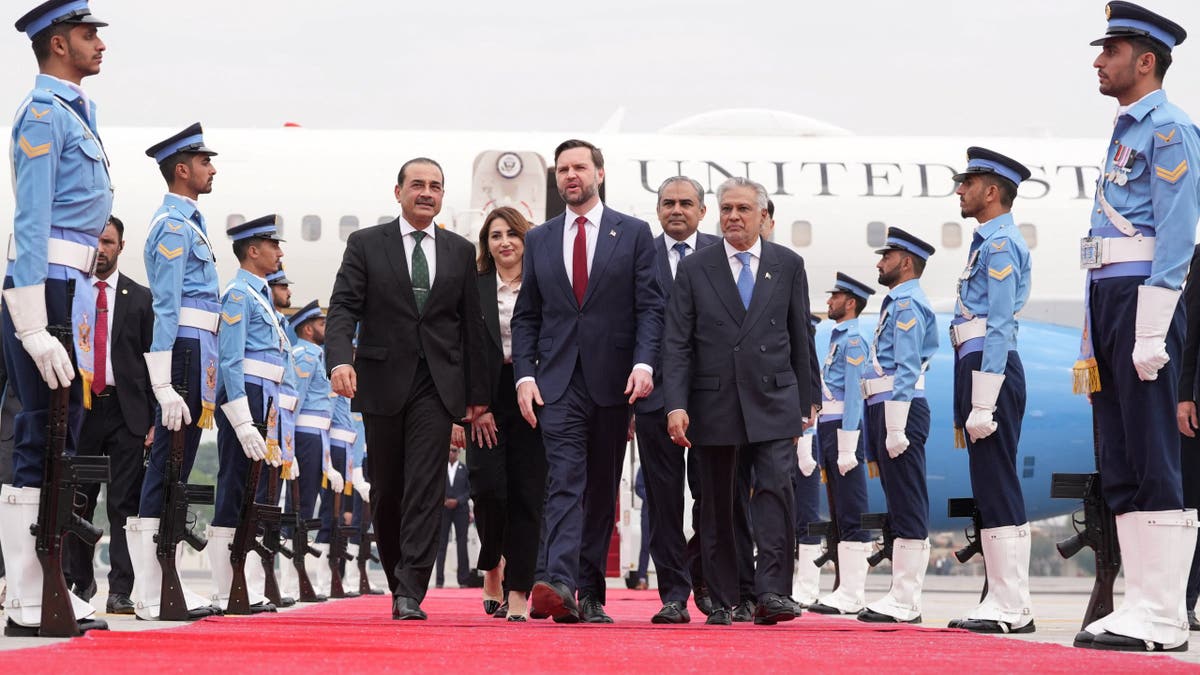
Vice President JD Vance walks with Pakistan’s Chief of Defense Forces Field Marshal Asim Munir, Deputy Prime Minister Mohammad Ishaq Dar, U.S. Embassy Chargé d’affaires Natalie A. Baker and Interior Minister Mohsin Raza Naqvi after arriving for talks with Iranian officials in Islamabad, Pakistan April 11, 2026. (Jacquelyn Martin/Reuters)
He then reiterated the claim at a press conference Thursday while outlining the U.S. military’s achievements in Iran.
“Their top leadership was systematically eliminated, their previous Iranian supreme leader dead, the supreme national security council secretary dead, the supreme leader office advisor dead, the supreme leader military office chief dead, the defense minister no longer with us, the IRGC commander dead, the armed forces general staff commander dead, the intelligence minister dead, the IRGC navy commander no longer here, the IRGC Intel chief dead,” Hegseth said.

War Secretary Pete Hegseth speaks to members of the media during a press briefing at the Pentagon in Washington March 31, 2026. (AP Photo/Manuel Balce Ceneta)
“I skipped over a bunch, and I could go on and on and on, to include the new so-called new supreme leader, wounded and disfigured. This new regime was out of options and out of time, so they cut a deal.”
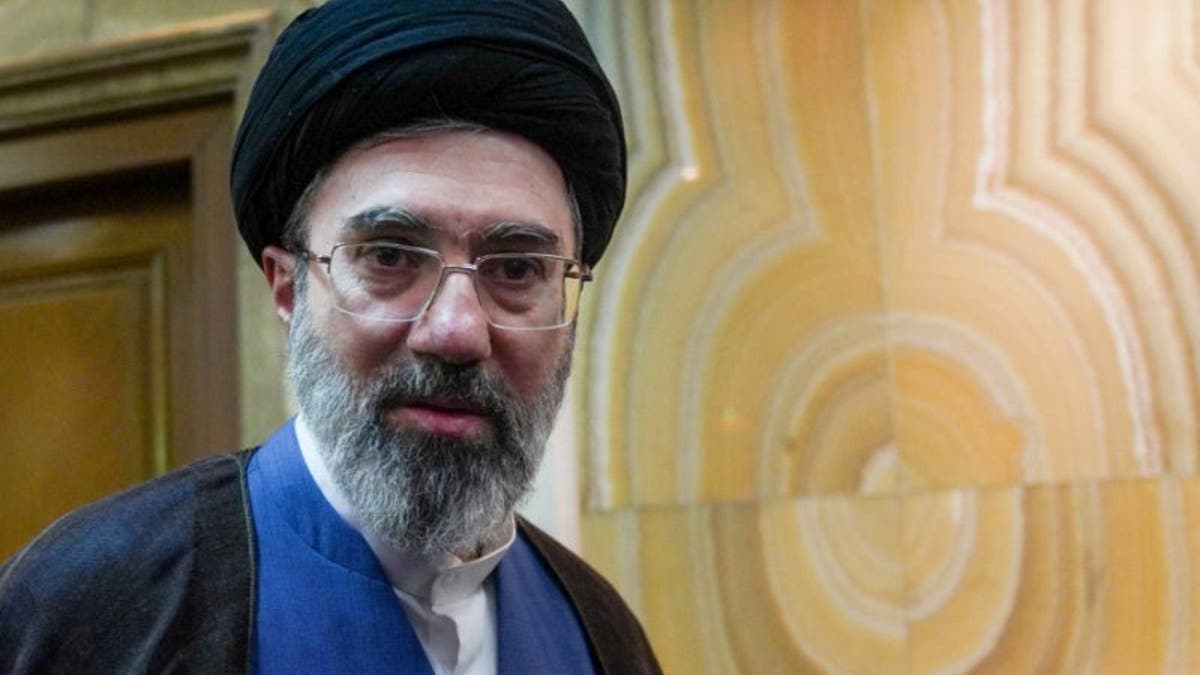
Mojtaba Khamenei, the new supreme leader of Iran and second son of the late Ayatollah Ali Khamenei, attends a meeting in Tehran, Iran, Oct. 13, 2024. (Hamed Jafarnejad/ISNA/WANA/Reuters)
Despite his weakened condition, Khamenei vowed to put up resistance in a defiant written statement Thursday.
“Iran is not seeking war but will not forfeit its rights and considers all resistance fronts as a unified entity,” the statement said.
Hegseth dismissed the statement as “weak” in his March press conference.
“It was a written statement. Iran has plenty of cameras and plenty of voice recorders. Why a written statement?” Hegseth asked. “I think you know why. His father, dead. He’s scared, he’s injured, he’s on the run and he lacks legitimacy. It’s a mess for them. Who’s in charge? Iran may not even know.”
Sources reportedly told Reuters that Khamenei could enter the public spotlight in a month or two but only if “his health and the security situation allowed.
While many publicly question where and when we may see the supreme leader again, Iranian hardliners stress the importance of him keeping a low-profile.
“Why should he appear in public? To become a target for these criminals?” an Iranian militiaman asked Reuters in a text message.
<!–>
–>