
Share this @internewscast.com
A judge in South Carolina has determined that Charles Weldon Boyd is ineligible for self-defense protection under the state’s “Stand Your Ground” statute concerning the 2023 shooting of Scott Spivey.
Following a four-day hearing, Circuit Court Judge Eugene Griffith concluded that Boyd’s secretly recorded conversations with an official from Horry County law enforcement indicated he was attempting to solicit police intervention while evading accountability.
“Credibility is a significant factor here,” Griffith remarked, as reported by the Post and Courier. “I have serious doubts about the credibility of Weldon Boyd. His testimony lacks believability on numerous points.”
As a result of this ruling, Boyd will now have to confront the wrongful death lawsuit filed by Spivey’s family in court.
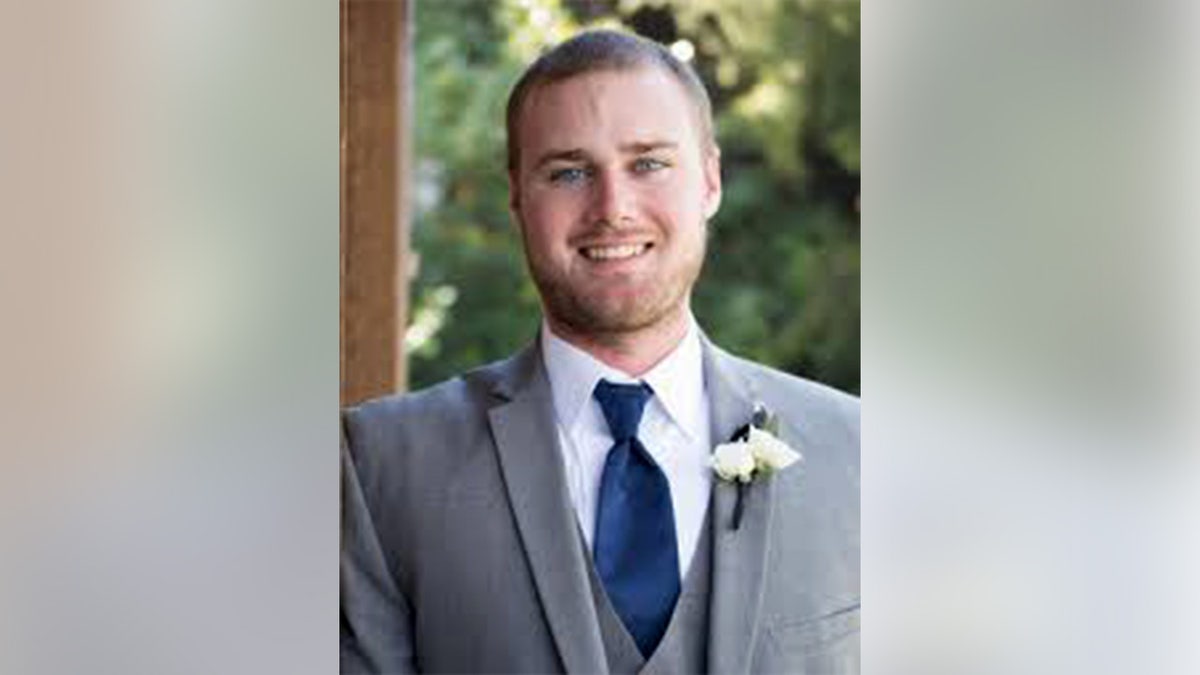
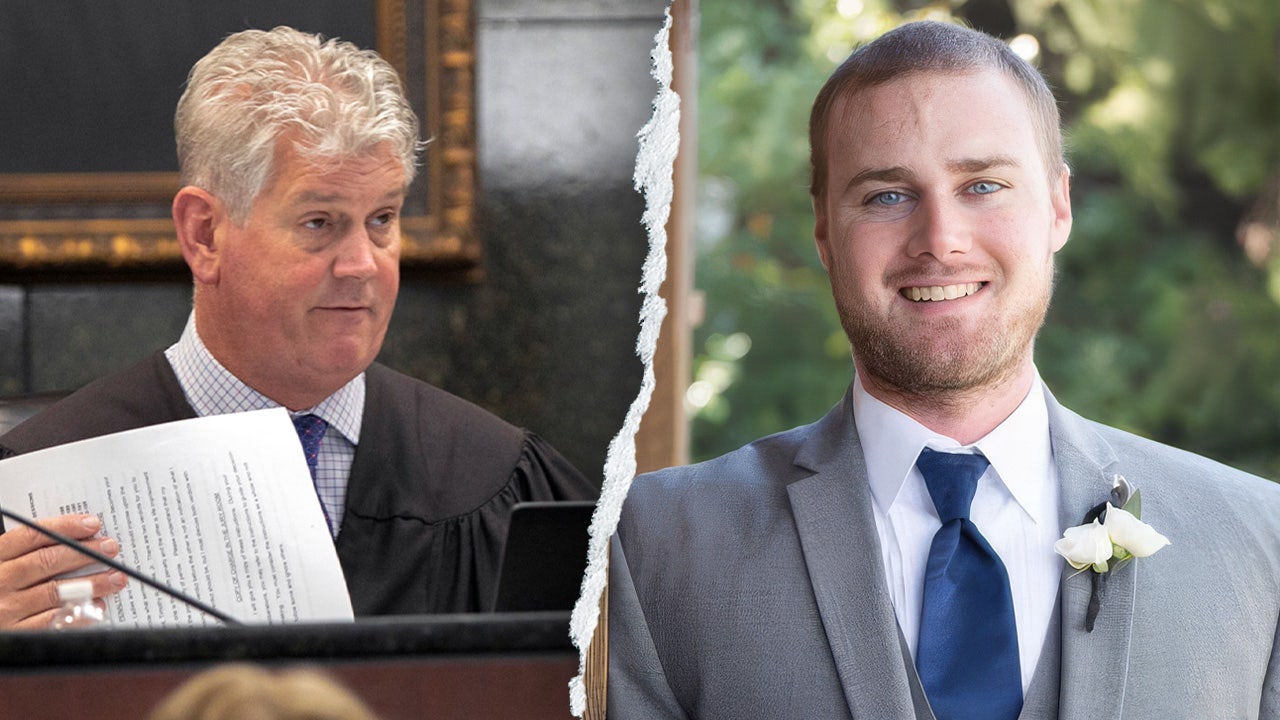
Scott Spivey lost his life on September 9, 2023, in a road-rage incident on Camp Swamp Road near Loris, within Horry County, South Carolina, as reported by Fox News.
The legal decision is linked to the shooting of Spivey, a 33-year-old insurance adjuster from North Carolina. The altercation reportedly started on Highway 9 in Horry County and intensified on Camp Swamp Road, culminating in Spivey’s fatal shooting.
Boyd and a second defendant, Kenneth “Bradley” Williams, have maintained they acted in self-defense, telling investigators that Spivey drove erratically and posed a deadly threat.
Under South Carolina’s “Stand Your Ground” law, individuals may use deadly force if they reasonably believe they are in imminent danger of death or serious bodily injury. The law also allows defendants to seek immunity from both criminal prosecution and civil lawsuits.
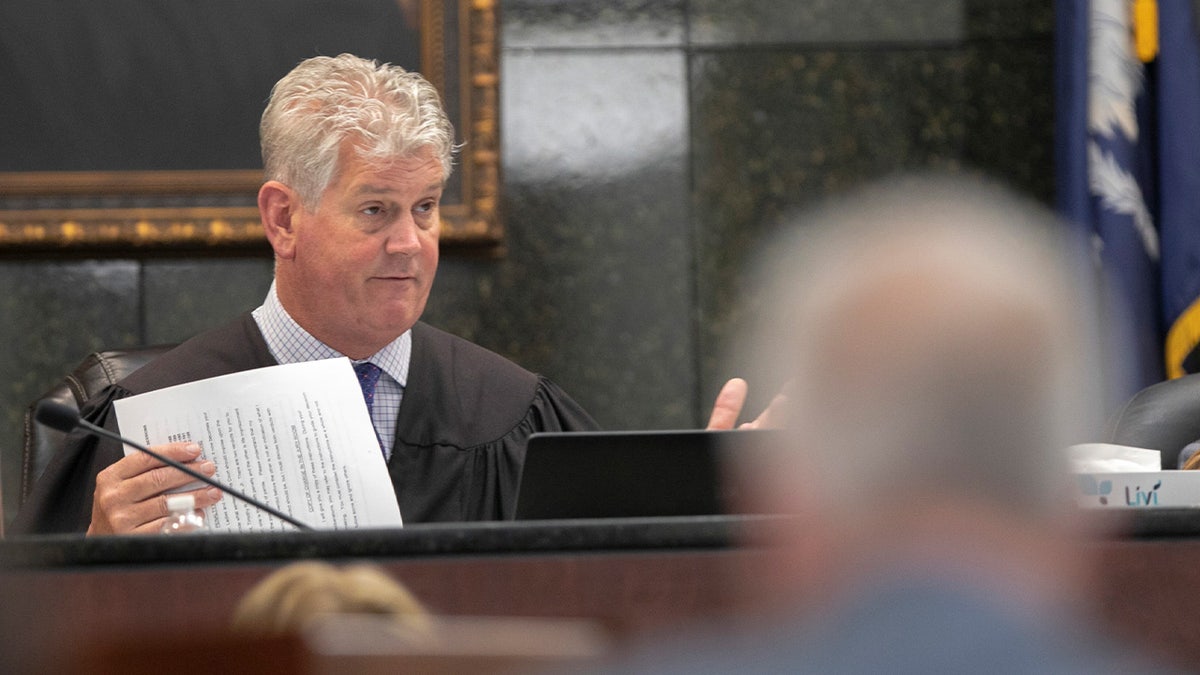
Judge Eugene Griffith discusses charging the jury during the sentencing phase of a trial in Lexington. (Tracy Glantz/The State/Pool via USA Today Network)
Local prosecutors previously declined to file criminal charges after determining the shooting fell within the scope of the state’s self-defense law.
Spivey’s family later filed a wrongful-death lawsuit, arguing Boyd and Williams escalated the encounter and were not entitled to immunity.
During the recent hearing on Feb. 20, attorneys presented witness testimony, 911 recordings and other evidence as the judge considered whether the men qualified for legal protection.
In denying Boyd’s immunity claim, Griffith said the defendant’s account was inconsistent with the physical evidence and other testimony.
While the judge has ruled that Boyd can now face the family’s civil lawsuit, a separate decision regarding Williams’ immunity is pending.
WATCH:
Outside the Horry County courthouse on Feb. 20, according to the Post and Courier, the Spivey family’s attorney criticized how authorities handled the initial investigation.
“It’s said with great power comes great responsibility, and that ain’t saying no and digging in and not looking because of arrogance, pride and political motivation,” Mark Tinsley said in a press conference.
“I subpoenaed the Attorney General’s Office to see what they had. And I’ll tell you, this pile of stuff in front me is a fraction of what they had, and they did not look at it. This is so patently clear from the word go. This is not ‘stand your ground.’ This a travesty that we are here right now.”
Related Article