
Share this @internewscast.com
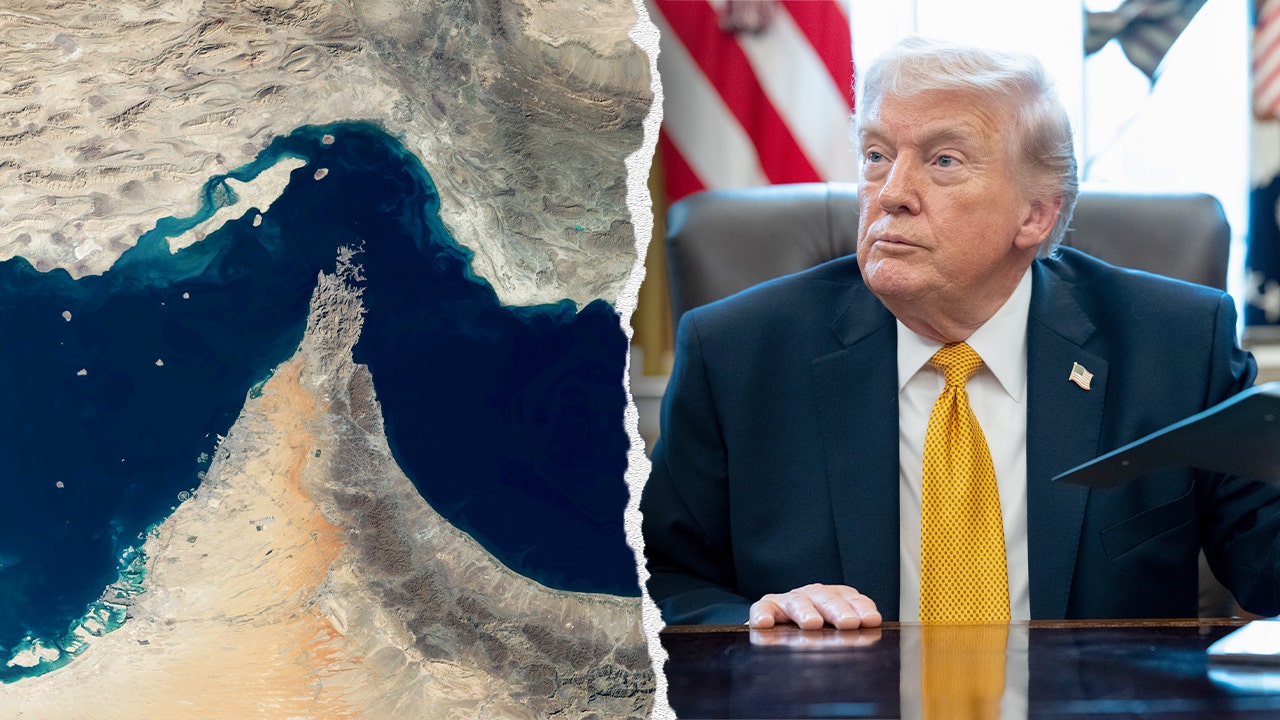
The United States is facing an unexpected challenge as an increasing number of its allies hesitate to join military initiatives aimed at securing the Strait of Hormuz. Washington’s calls for support are met with growing resistance, with many nations opting for diplomatic solutions over military involvement.
From European capitals to the Indo-Pacific region, governments are expressing their preference for diplomatic channels, citing legal issues and opting for limited defensive roles rather than engaging in direct military action. This trend is particularly evident in France, where officials have made it clear they are not interested in participating in military operations in the region.
Countries declining military involvement in reopening the Strait of Hormuz
France
In a recent interview with FRANCE 24, France’s Armed Forces Minister Catherine Vautrin emphasized the country’s stance on the matter, stating, “We are not participating in this war.” She clarified that there are currently no plans to dispatch French naval forces to the Strait of Hormuz. Furthermore, Vautrin raised concerns about the alignment of objectives between Washington and Jerusalem in their ongoing conflict with Iran.
Meanwhile, U.S. President Donald Trump remains optimistic about garnering support, notably from French President Emmanuel Macron. During a summit in Sharm El Sheikh, Egypt, on October 14, 2025, Trump suggested he anticipates backing from Macron, highlighting the ongoing diplomatic engagements between the two leaders.
The situation underscores a complex geopolitical landscape where diplomatic strategies are increasingly favored by U.S. allies over direct military interventions, reflecting a cautious approach to escalating tensions in the region.
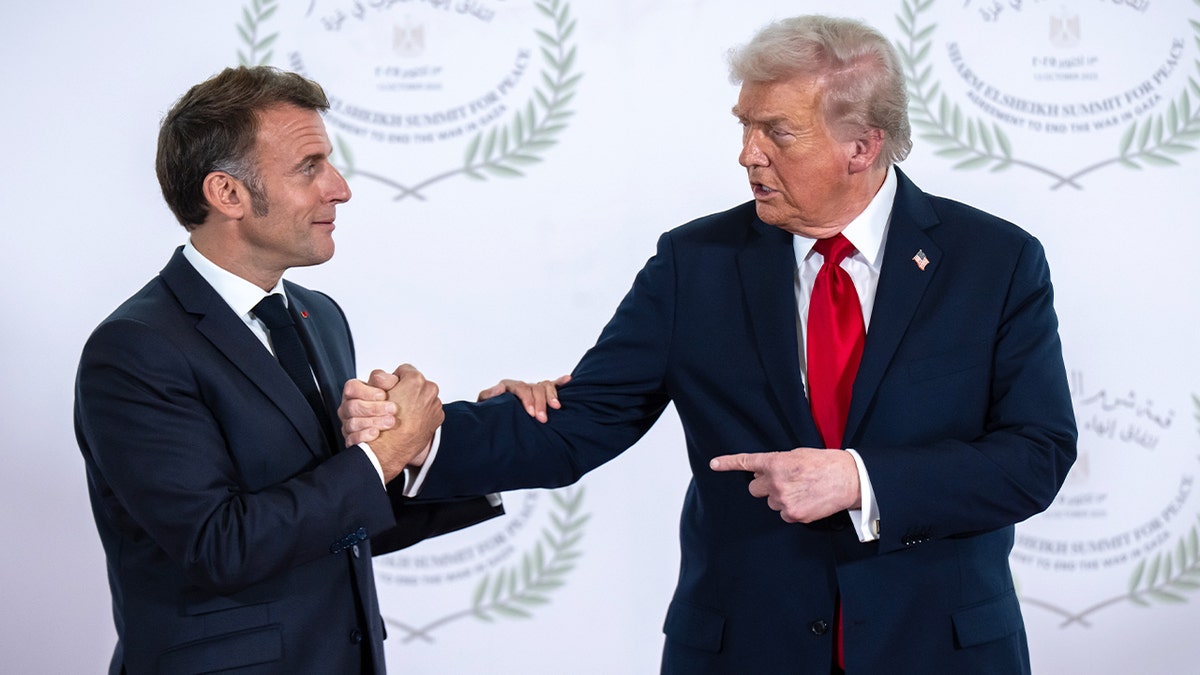
President Donald Trump (right) takes part in the Gaza summit chaired by Egypt’s President Abdel Fattah el-Sisi alongside France’s President Emmanuel Macron in Sharm El Sheikh, Egypt, on Oct. 14, 2025. (Michael Kappeler/Picture Alliance via Getty Images)
“I think he’s going to help. I mean, I’ll let you know. I spoke to him yesterday. I don’t do a hard sell on them because my attitude is we don’t need anybody. We’re the strongest nation in the world. We have the strongest military by far in the world. We don’t need them,” Trump said at the White House. “But, it’s interesting. I’m almost doing it in some cases, not because we need them, but because I want to find out how they react.”
Germany
Germany has rejected military involvement, with Chancellor Friedrich Merz stating the conflict falls outside NATO’s scope. “We will not participate in ensuring freedom of navigation in the Strait of Hormuz by military means. The war in the Middle East is not a matter for NATO,” he said in a post on X. “Therefore, Germany will also not become involved militarily.”

German Chancellor Friedrich Merz arrives at the White House on June 5, 2025, in Washington, D.C. (Anna Moneymaker/Getty Images)
Australia
Australia has declined to send ships to the strait despite U.S. calls for support. In an interview on ABC Radio National on Monday, Catherine King, minister for infrastructure, transport, regional development and local government, said, “We won’t be sending a ship to the Strait of Hormuz. We know how incredibly important that is, but that’s not something that we’ve been asked or that we’re contributing to.”
She noted Australia’s current contribution is limited to support in the United Arab Emirates, including providing aircraft to assist with defense given the number of Australians in the country.
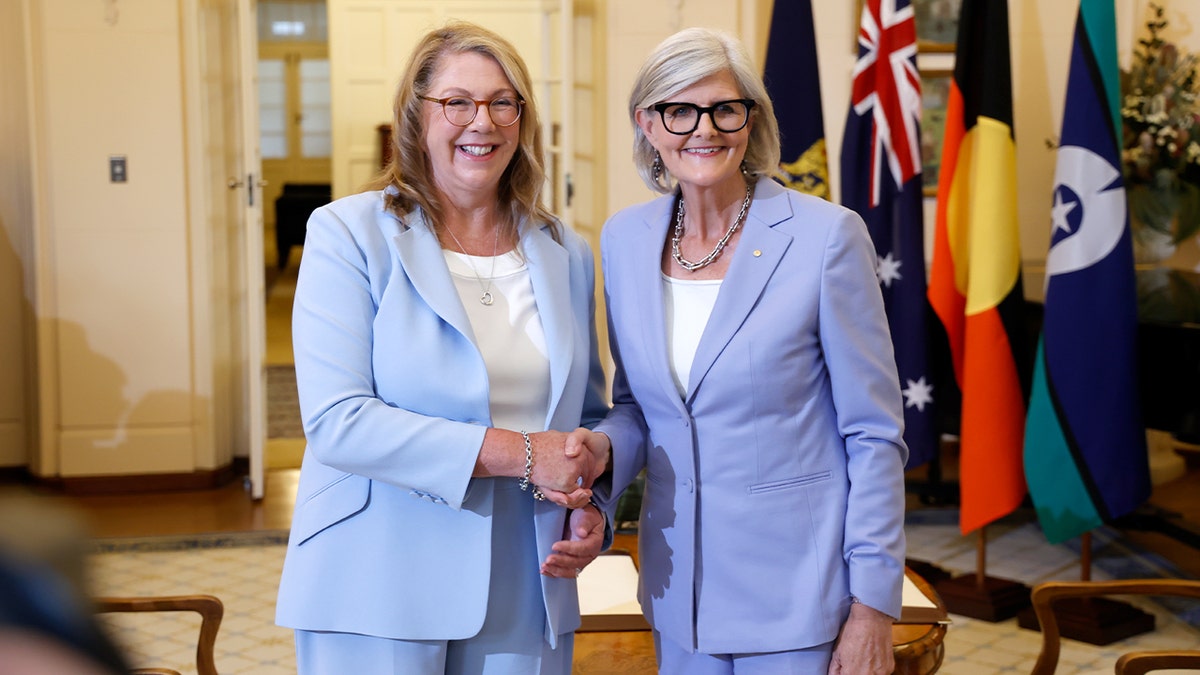
Minister for Infrastructure, Transport, Regional Development and Local Government Catherine King (L) shakes hands with Governor-General Sam Mostyn (R) during a swearing-in ceremony at Government House in Canberra, Australia, on May 13, 2025. (Hilary Wardhaugh/Getty Images)
Ireland
Ireland has ruled out participation in any EU naval mission to reopen the strategic waterway. Irish Prime Minister (Taoiseach) Micheál Martin told reporters ahead of his meeting with Trump, “We don’t have that offensive military capacity in any shape or form, so obviously it’s not something that’s on our agenda,” according to the Irish Examiner. “The world is in a very challenging situation and no one likes war. We certainly don’t as a country, and we want a specific resolution.”
Spain
Spain has rejected any involvement in a Hormuz mission and called for an end to the war.
Defense Minister Margarita Robles said, “We are on a defense and security mission in Cyprus and at this moment Spain is not considering any mission in Hormuz. What we are considering is the demand that the war end,” according to Spanish newspaper La Razón.
She described the conflict as an “illegal war that is causing many deaths.”
Foreign Minister José Manuel Albares similarly argued to end the “spiral of violence” and “this escalation that does not have clear objectives.”
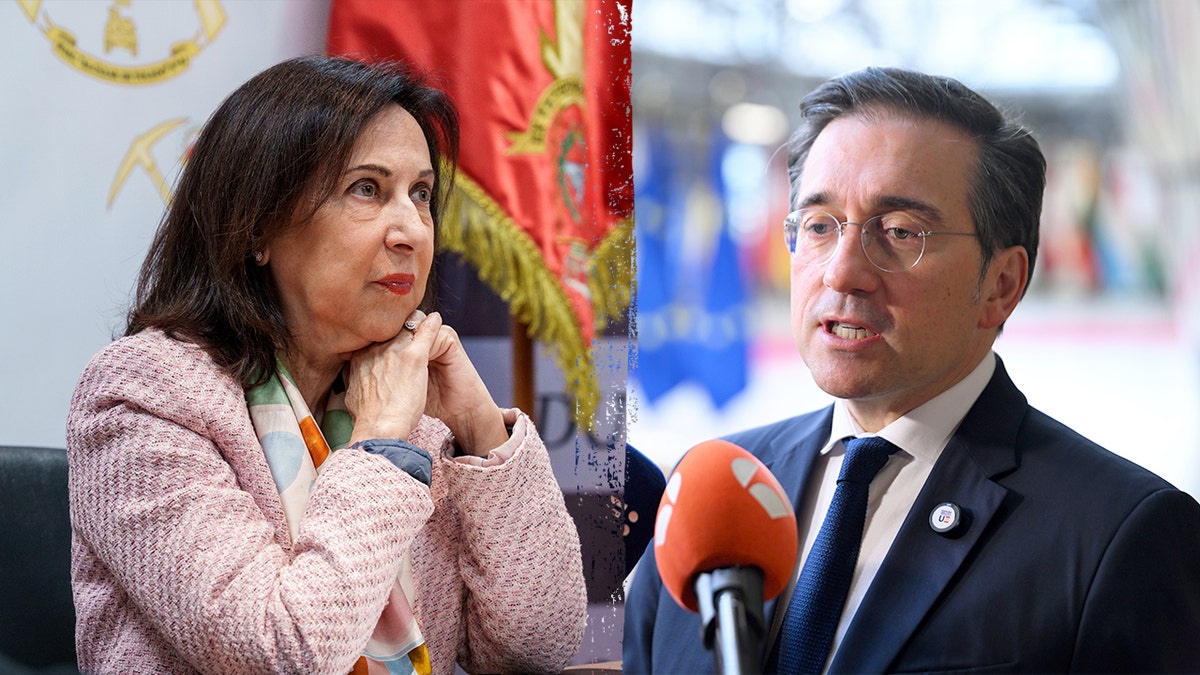
Spanish Defense Minister Margarita Robles (L) and Foreign Minister José Manuel Albares (R) have rejected any military involvement in reopening the Strait of Hormuz. (Dursun Aydemir/Anadolu via Getty Images; Matias Chiofalo/Europa Press via Getty Images)
Countries signaling caution or limited involvement
United Kingdom
The U.K. has stopped short of committing to direct military action while emphasizing coordination with international partners. In a press conference on Monday, Prime Minister Keir Starmer said, “We will not be drawn into the wider war.”
He called on allies and other European countries to “bring together a viable collective plan that can restore freedom of navigation in the region as quickly as possible.”

Keir Stamer, U.K. prime minister, speaks during a news conference providing an update on the situation in the Middle East, at Downing Street in London, U.K., on Thursday, March 5, 2026. (Tolga Akmen/EPA/Bloomberg via Getty Images)
Japan
Japan is holding off on any deployment of naval escorts to the Middle East, citing legal constraints. Speaking in parliament during an Upper House Budget Committee meeting, Prime Minister Sanae Takaichi said, “No decision has been made whatsoever regarding the dispatch of escort vessels,” according to The Japan Times. “We are currently examining what Japan can do independently and what is possible within the legal framework.”
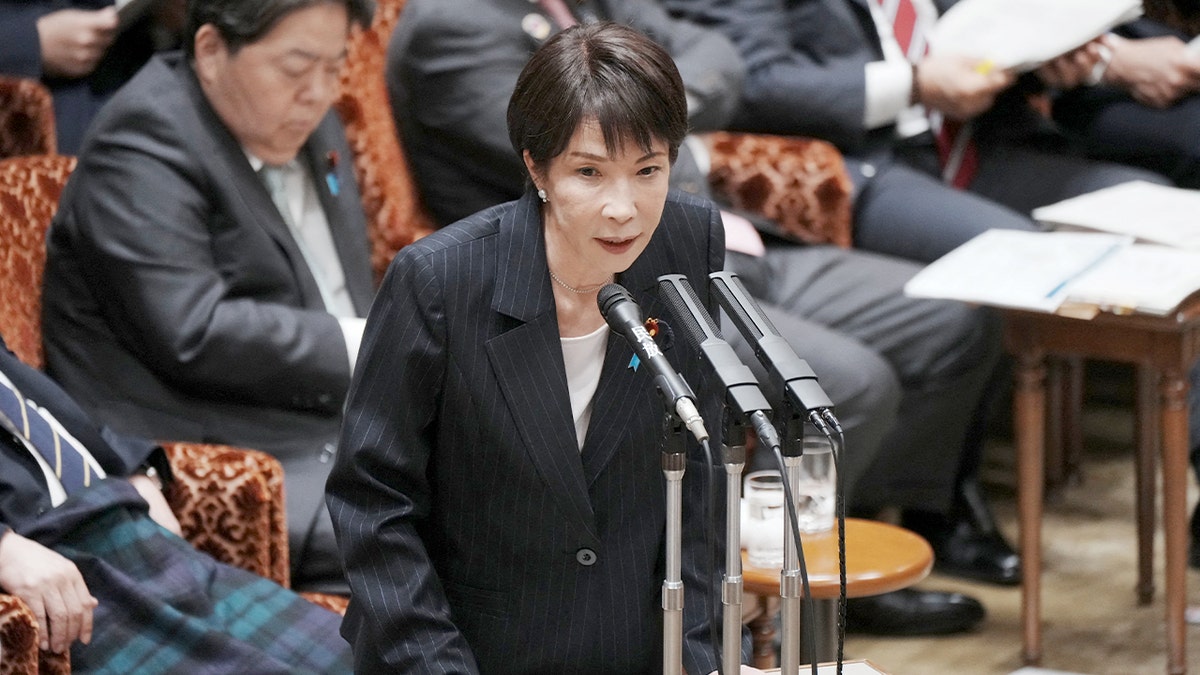
Japan’s Prime Minister Sanae Takaichi answers questions at a budget committee session of the House of Councillors in Parliament in Tokyo on March 16, 2026. (Kazuhiro Nogi/AFP via Getty Images)
“Legally speaking, this is very difficult,” Takaichi added. “We are carefully examining what can be done within the scope of current laws and what is the best course of action at this time. At the same time, we are continuing to engage with Iran to help de-escalate the situation while also exchanging information with various countries.”