
Share this @internewscast.com
An anonymous Iranian woman has courageously shared her experiences with the world, casting a light on the realities faced by those living in Tehran amid a tentative ceasefire between the United States and Iran. This pause in hostilities, initiated by President Donald Trump, began on a Tuesday, marking a significant moment in the ongoing conflict.
In an eye-opening essay featured in The Australian, the woman paints a vivid picture of life in Iran, describing the nightly explosions, pervasive checkpoints, and frequent communication blackouts that have become part of the daily routine since the onset of military operations by the United States and Israel in February.
“Ordinary citizens have essentially been transformed into human shields within an expansive militarized zone,” she articulated. “There is a widespread feeling of anger, paranoia, and fatigue that has permeated the air.”
The Iranian regime’s brutal public executions of protesters in January—executions numbering in the thousands—sparked a reaction among the populace, leading many to initially welcome the U.S. and Israeli strikes. These attacks, known as Operation Epic Fury, commenced on February 28.
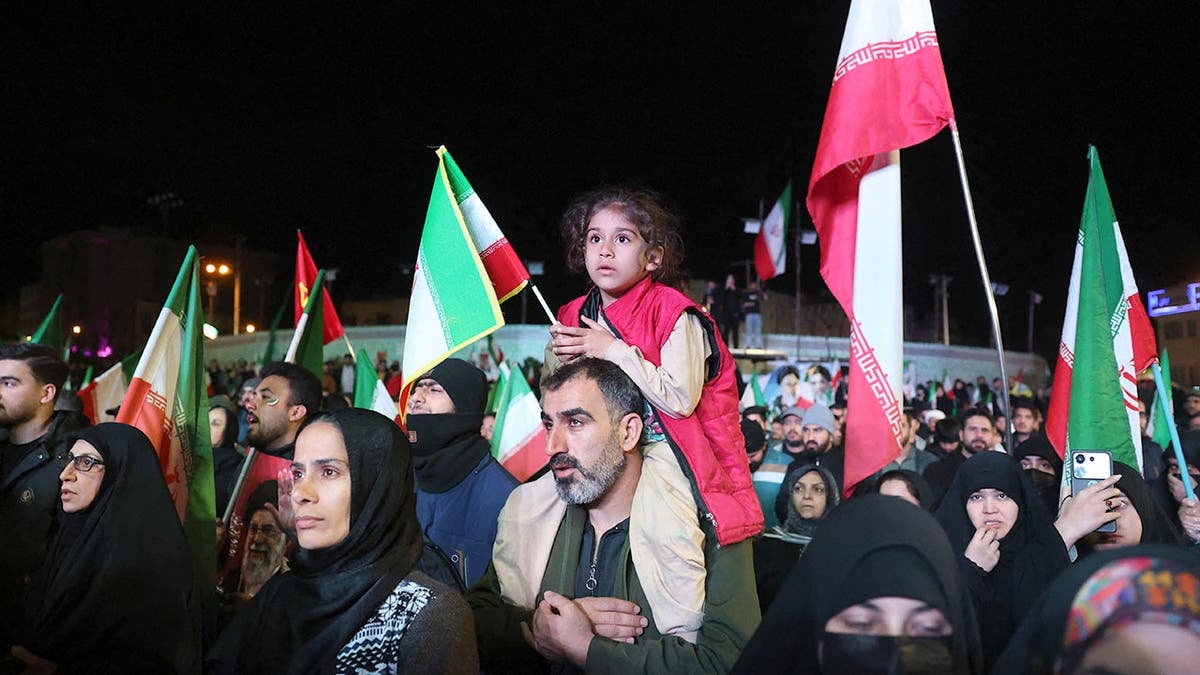
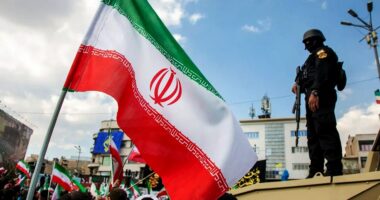
In Tehran’s Enqelab Square, Iranians gathered following the ceasefire announcement. The agreement, reached just an hour before President Trump’s deadline to potentially obliterate Iran, led to the temporary reopening of the crucial Strait of Hormuz.
The woman’s daughter shared a poignant moment, recounting, “They say they’ve targeted the leader’s residence. All the children were cheering and shouting… Even our teacher was discreetly snapping her fingers and dancing.”
The author described everyday Iranians celebrating the death of Supreme Leader Ayatollah Khamenei that same Saturday, and the streets of Tehran filling with cheers of “death to the dictator.”
“Perhaps for the first time,” the anonymous author recalled, “we allowed ourselves to believe our long-held dream was beginning to take shape.”
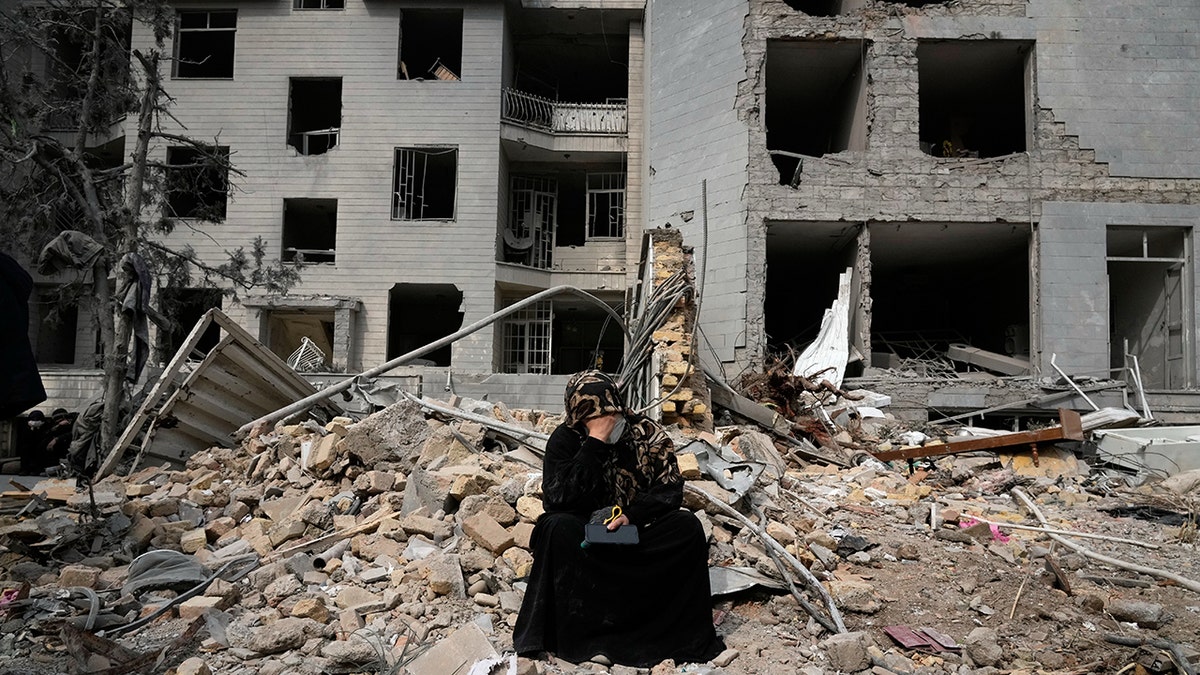
A woman sits on rubble across from a building damaged during airstrikes March 12 in Tehran, Iran. (Vahid Salemi/AP)
But soon enough, the reality of day-to-day life under a threatened, crumbling regime and ongoing attacks took a toll. One of the harshest realities those on the ground in Iran face is the internet blackout, effectively ending communications with the outside world and leading to great uncertainty at the hands of the regime.
“So far, none of those close to us have suffered physical harm, but no night is calm,” the Iranian woman wrote. “What weighs most heavily is not only the war itself, but the possibility that it may end leaving behind a regime even more authoritarian, more repressive and more violent.”
According to the author, a stubborn faction of regime supporters remain, blasting propaganda on loudspeakers nightly through the streets of Tehran and reinforcing its authority to those who support the revolution.

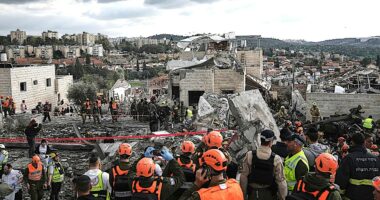
Rescue workers search through the rubble of a collapsed building after an airstrike March 27 in Tehran, Iran. (Majid Saeedi/Getty Images)
“The streets are now covered with checkpoints,” she wrote. “Under bridges and along main roads, movement is restricted. Long traffic lines form. Young people are stopped, their phones inspected under the pretext of routine checks.”
After the announcement of the ceasefire between U.S. forces and the Iranian regime Tuesday, the author said, most of her country went to sleep that night in a “state of deep anxiety.”
“What weighs most heavily is not only the war itself, but the possibility that it may end up leaving behind a regime even more authoritarian, more repressive, and more violent,” the author notes.
She urged a ceasefire that is not “abandonment,” but peace, destabilizing the Iranian regime.
“A ceasefire that stabilizes the current order, without addressing the demands that have brought Iranians into the streets for years, risks being experienced not as peace, but as abandonment,” the author wrote.
Negotiations between Iran and the U.S. are scheduled to begin Friday in Pakistan.
“We wait, and we continue, in whatever ways possible, to insist that light will eventually overcome this darkness,” she concluded.
The Australian notes the author remains anonymous for “fear of retribution.”