
Share this @internewscast.com
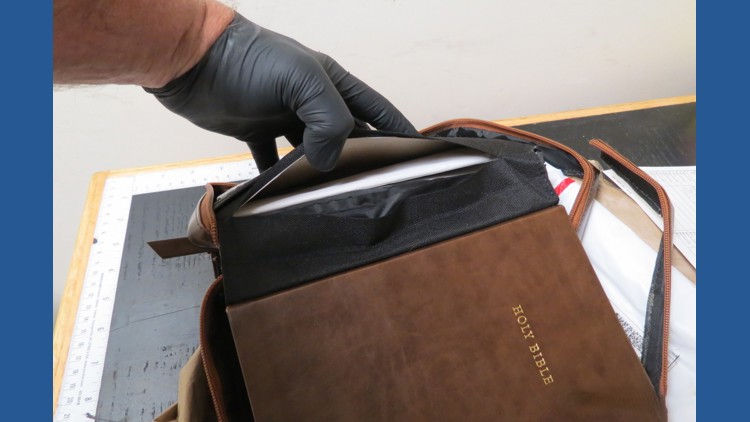
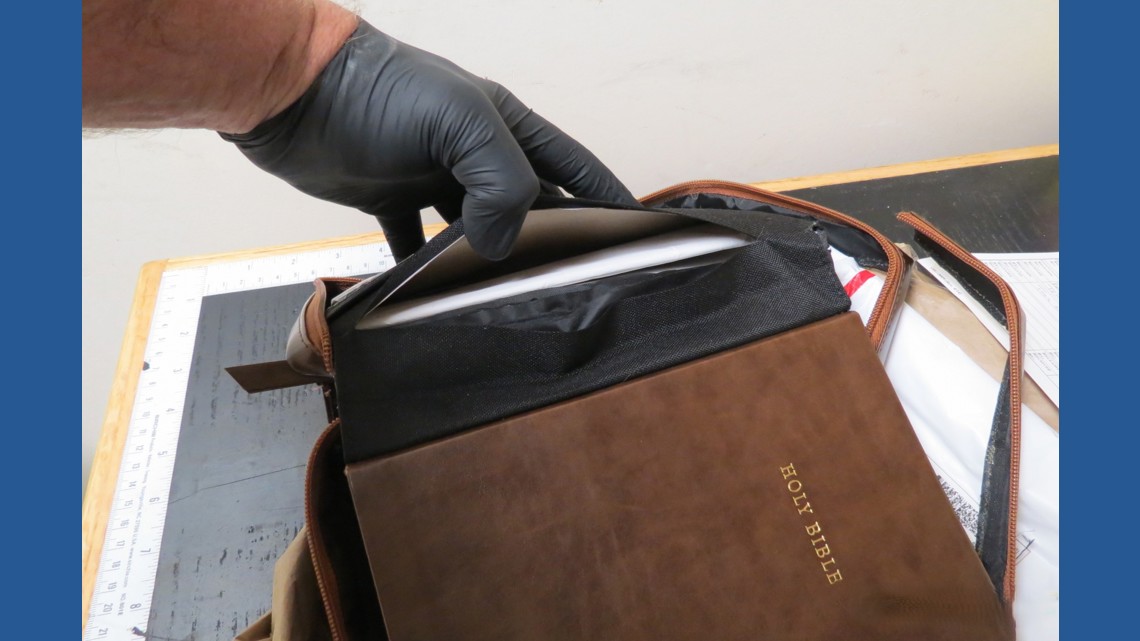
A woman from Wichita Falls, Texas, has found herself on the wrong side of the law, receiving a six-year prison sentence for a cunning drug-smuggling operation. Henna Havila Martinez admitted to sending synthetic cannabinoids and other narcotics to inmates within the Texas Department of Criminal Justice facilities. Her method of concealment involved hiding the substances within Bibles and other religious items, as well as magazines, newspapers, and legal mail, making the packages difficult to detect.
The illicit operation came to light when staff members at the Allred Unit noticed that some leather-bound Bibles contained pages that were unusually saturated. Upon testing, these pages tested positive for synthetic cannabinoids, prompting further investigation. This discovery led authorities on a trail that ended at a local Office Depot in Wichita Falls. Surveillance footage at the store captured Martinez utilizing a self-checkout station to send the suspect packages to the inmates.
The investigation revealed that Martinez had sent at least three parcels, which together held approximately 360 grams of synthetic cannabinoids. The evidence was substantial enough to lead authorities to search her residence. During the search, law enforcement found about 4.9 pounds of synthetic cannabinoids, which were prepared in various forms such as liquid, powder, and paper sheets.
This case underscores the lengths some individuals will go to in circumventing security measures within the prison system. The use of religious materials to smuggle drugs highlights a particularly egregious breach of trust, exploiting the sanctity of these items. Martinez’s sentencing serves as a stern reminder of the legal consequences of engaging in such illegal activities.
Investigators traced the packages to an Office Depot store in Wichita Falls, where surveillance footage showed Martinez using a self-checkout station to mail packages to inmates. Authorities said she was observed sending at least three packages containing a combined 360 grams of synthetic cannabinoids.
Authorities said when they later searched her home, they seized approximately 4.9 pounds of synthetic cannabinoids in various forms, including liquid, powder and paper sheets,
“This case underscores the persistent challenges we face in contraband entering our facilities through the mail,” Texas Department of Criminal Justice Executive Director Bobby Lumpkin said in a statement, crediting staff vigilance and investigators for stopping the drugs from reaching inmates.